When it comes to our facial skincare routines, many people focus on factors such as hydration or the best ways to prevent the onset of lines and wrinkles. All too often, our pores can become overlooked. Pores are tiny openings on the face that are there to release substances such as oil or sweat. Sometimes they can become blocked with dirt or oil, resulting in a blackhead or pimple. They may also appear larger in people who are prone to acne - this can be reduced with the help of a general purifying face mask.
Generally speaking, the size of our pores is a genetic factor; something we are born with. Ideally, you don’t want pores to stand out and be too visible; for this reason, many people like to use a pore minimising mask. In order to keep pores healthy, you need to clean them and keep the elasticity of the skin tight. For that reason, it’s important to use products such as a pore minimiser mask or a purifying face mask to really cleanse out those impurities and tighten up the skin.
Although you might look at your pores as a less than desirable feature, you quite literally cannot live without them. In short, pores are hair follicle openings which are connected to oil glands and, as such, they perform a key role in ensuring your skin is kept hydrated and naturally lubricated. We all know what it’s like to look in the mirror and instantly feel as though your pores are looking enlarged and unattractive.
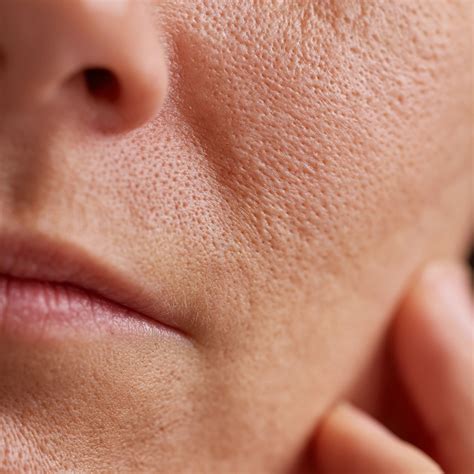
Understanding Pores and Their Function
Pores are essential for healthy skin, facilitating the release of oil and sweat. However, they can become clogged with dirt, oil, or dead skin cells, leading to issues like blackheads and pimples. For individuals prone to acne, enlarged pores can be a common concern, which a purifying face mask can help address. While pore size is largely determined by genetics, maintaining clean and elastic skin is key to minimizing their appearance.
The Benefits of Pore Minimising Face Masks
Pore minimising masks offer a targeted approach to addressing concerns related to pore appearance and health. These masks work by drawing out impurities, tightening the skin, and promoting a clearer complexion. They are a valuable addition to any skincare routine, offering both therapeutic and self-care benefits.
Deep Cleansing and Impurity Removal
Clays and muds are particularly effective ingredients in pore minimising masks because they contain deep, detoxifying properties designed to help draw out impurities from the skin. These ingredients act like a magnet, absorbing excess oil and debris that can clog pores.
Skin Toning and Tightening
Ingredients like witch hazel and tea tree oil are beneficial for their cleansing and toning properties, which can help tighten the skin and reduce the appearance of pores. Maintaining skin elasticity is crucial for minimizing pore visibility.
Exfoliation and Dead Cell Removal
Thoroughly exfoliating the skin is an effective way to remove dead skin cells, bacteria, and excess oils. A peel-off pore minimising mask can be an excellent method to rid your pores of blockages and impurities. Chemical exfoliants, such as glycolic acid and lactic acid, found in some masks, work to remove dead cells, leaving skin brighter and smoother.
Hydration and Moisture Balance
While some masks focus on deep cleansing, others are formulated to provide a helpful hydration boost. These masks protect the skin's barrier, seal in moisture, and soothe dry or dehydrated skin. Ingredients like hyaluronic acid are excellent for retaining water, while moisturisers like avocado or shea butter can soften the skin.
Reducing the Appearance of Fine Lines
For those concerned with signs of aging, certain face masks can help minimize the appearance of fine lines by rehydrating and plumping up the skin. Ingredients like Vitamin E, resveratrol, and ferulic acid work to protect the skin from environmental damage that contributes to fine lines.
Improving Skin Tone
A good face mask can also target hyper-pigmentation, helping to balance the complexion, restore an even appearance, and improve overall skin tone. Exfoliating ingredients such as alpha hydroxy acids (AHAs), lactic acid, and pineapple can help remove dead, discolored skin from the surface.
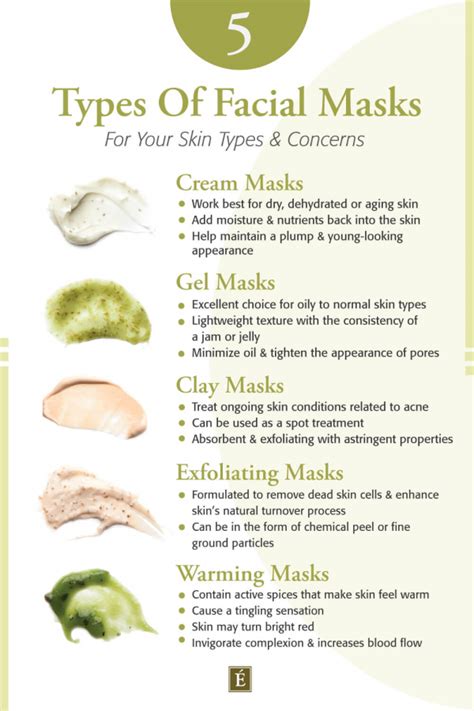
Types of Pore Minimising Face Masks and Key Ingredients
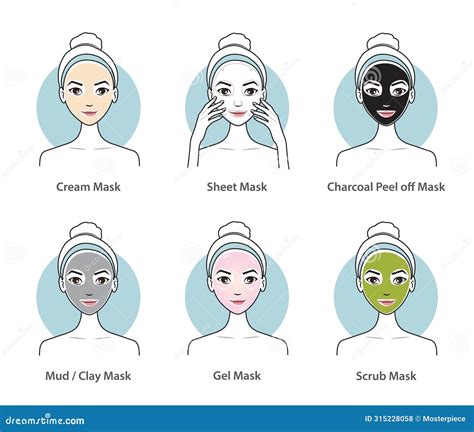
The market offers a wide variety of face masks, each with unique formulations and benefits. Understanding the different types and their key ingredients can help you choose the best option for your skin type and concerns.
Clay and Mud Masks
Clay and mud masks are ideal for a deep cleanse and are particularly beneficial for oily and acne-prone skin. They work by absorbing excess oil and drawing out impurities. Kaolin and bentonite are common types of clay used in these masks. Mud masks, being water-based, can also be more hydrating than traditional clay masks.
Charcoal Masks
Activated charcoal is known for its ability to absorb toxins and impurities. In face masks, it acts like a magnet for dirt, oil, and sebum, making it highly effective for deep cleaning pores and combating blackheads.
Cream and Gel Masks
Cream masks, often enriched with hyaluronic acid, are excellent for dry skin needing intense hydration. Gel formulas, typically containing ingredients like cucumber and aloe vera, are soothing and calming, making them suitable for sensitive skin types.
Exfoliating and Enzyme Masks
These masks use chemical exfoliants like AHAs (glycolic, lactic acid) or fruit enzymes (from pineapple, papaya) to break down dead skin cells, revealing brighter, smoother skin. They are effective for improving skin texture and tone.
Peel-Off Masks
With a unique rubber-like texture, peel-off masks are easy to remove and can be formulated with various active ingredients to address concerns like exfoliation, acne, or hydration.
Sheet Masks
Popularized in Korea, sheet masks are typically soaked in hydrating serums containing hyaluronic acid, ceramides, and antioxidants. They are deeply hydrating and beneficial for dry, inflamed skin, and fine lines.
Overnight Masks (Sleep Masks)
These masks provide an intensive hydrating treatment, allowing potent ingredients like AHAs, turmeric, and shea butter to work for extended periods, delivering enhanced benefits to the skin.
Natural and DIY Masks
Household ingredients such as oats, honey, turmeric, yogurt, and avocado can be used to create natural face masks at home. These can offer benefits like exfoliation, brightening, soothing inflammation, and combating dryness.
Choosing the Right Mask for Your Skin Type
Selecting the appropriate face mask based on your skin type and specific concerns is crucial for achieving optimal results.
For Acne or Inflammation
Look for masks with salicylic acid, benzoyl peroxide, yogurt, papaya, oatmeal, aloe vera, clay, or charcoal. These ingredients help calm inflamed skin, prevent breakouts, and remove pore-clogging substances.
For Dark Spots and Pigmentation
Ingredients like Kojic acid, azelaic acid, licorice root, AHAs, lactic acid, and pineapple can help lighten pigmentation and remove dead, discolored skin cells.
For Dry Skin
Opt for masks rich in water-retaining ingredients like hyaluronic acid. Moisturizers such as avocado or shea butter can also soften and smooth dry skin.
For Fine Lines
Masks containing Vitamin E, resveratrol, and ferulic acid can help minimize the appearance of fine lines by protecting the skin from damaging factors.
For Oily Skin
Choose masks that remove excess oil and reduce pore-clogging. Ingredients like salicylic acid, glycolic acid, sulfur, and charcoal are beneficial. Natural options include yogurt and pineapple for exfoliation.
How to Use Pore Minimising Face Masks Effectively
Proper application and usage of face masks are essential to maximize their benefits and avoid potential irritation.
Preparation
Always start with a clean face. Gently cleanse your skin with a gentle, pH-neutral cleanser and warm water to open up your pores. Ensure your skin is dry before applying the mask, unless the product instructions specify otherwise.
Application
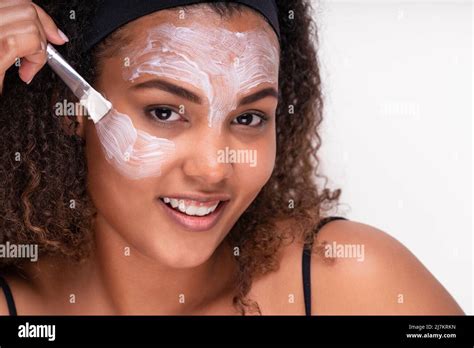
Apply a thin layer of your chosen mask using your fingertips or a clean applicator. Be careful to avoid the delicate eye, nose, and mouth areas. For masks with a creamy or mud-like consistency, applying with fingertips is often recommended.
Duration
Follow the product's instructions regarding the recommended time to leave the mask on. It is generally advised to leave pore minimising masks on for at least 15 minutes. Leaving a mask on for longer than instructed can sometimes lead to irritation or dryness.
Removal
Rinse the mask off thoroughly with warm water. Gently pat your face dry with a soft towel or face cloth, avoiding harsh rubbing.
Post-Mask Care
After removing the mask, apply a thick, oil-free moisturizer and potentially a hyaluronic acid serum to minimize any potential irritation and seal in the active ingredients. This step is crucial, especially after using masks designed for deep cleansing or exfoliation.
Frequency of Use and Important Considerations
The frequency with which you use a face mask depends on its formulation and your skin type. Some masks, like hydrating or clay masks, can be used two to three times a week, while exfoliating or anti-aging masks may be best suited for once a week to prevent over-exfoliation or irritation.
Consistency is Key
Regular use of a face mask, over a period of at least 6 to 8 weeks, is recommended to achieve noticeable results. Consistent application helps your skin adapt and respond to the active ingredients.
Multi-Masking
If you have multiple skin concerns, consider multi-masking, where you apply different masks to different areas of your face simultaneously. For example, you might use an exfoliating mask on your T-zone and a hydrating mask on your cheeks.
Beware of Irritating Ingredients
When selecting a mask, be mindful of ingredients that can cause irritation, such as fragrances, alcohol, parabens, dyes, and essential oils. Individuals with sensitive skin should be particularly cautious and may want to avoid strong exfoliants like salicylic acid or retinoids.
DIY Mask Safety
While DIY masks can be effective, it's important to be cautious. Avoid acidic ingredients like apple cider vinegar, lemon, or lime juice, as they can cause irritation or burns. Do not apply raw egg whites, as they can lead to infections. Test any DIY mask ingredients on a small patch of skin behind your ear first to check for adverse reactions.
Price vs. Quality
The most expensive face mask is not necessarily the best. Focus on masks with well-researched ingredients and read reviews from users with similar skin types to find a formula that suits your budget and needs.
Bentonite Clay Face Mask Recipe | CLAY MASK FOR FACE | Benefits of Clay for Skin
tags: #pore #minimising #face #mask