Understanding your skin type is a fundamental aspect of effective skincare and dermatological treatments. The Fitzpatrick Skin Type classification, developed by Dr. Thomas B. Fitzpatrick, is a widely recognized system that categorizes skin based on its color and its reaction to sun exposure. This classification is crucial for assessing risks, planning treatments, and selecting appropriate skincare products.
What is the Fitzpatrick Scale?
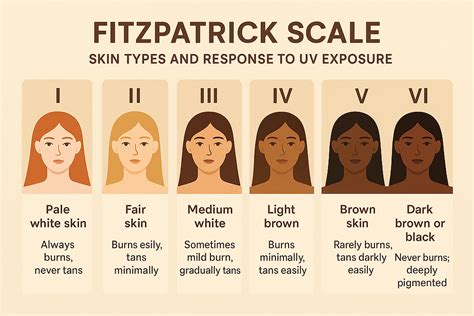
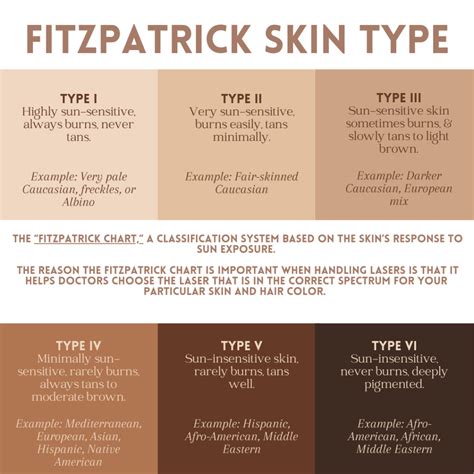
The Fitzpatrick scale is a numerical system that classifies skin into six distinct phototypes. It was initially developed in 1975 by Thomas Fitzpatrick, MD, of Harvard Medical School. The scale is based on two primary factors: the amount of pigment in your skin (melanin) and how your skin reacts to ultraviolet (UV) radiation from the sun, specifically its tendency to burn or tan.
This classification is valuable as a diagnostic tool in various dermatological contexts, including predicting skin cancer risk and guiding advice on sun protection. While the classifications are understood to be subjective, the scale has proven its utility over the years.
The Six Fitzpatrick Skin Phototypes
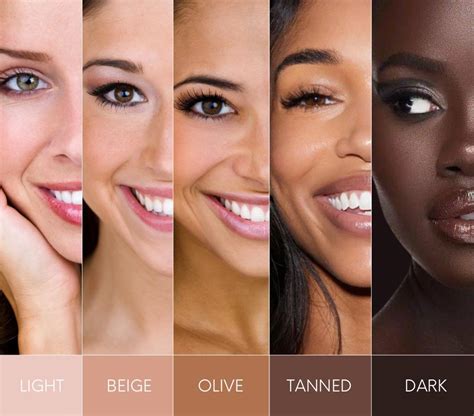
The Fitzpatrick scale includes six categories, ranging from the lightest to the darkest skin tones. Each type has specific characteristics regarding skin color, hair color, eye color, and their typical response to sun exposure.
Type I: Very Fair Skin
Characteristics: Pale or milky white skin, often with freckles. Individuals with this skin type typically have blue or green eyes and red or blonde hair. They are extremely susceptible to sun damage.
Sun Reaction: Always burns, never tans. They are highly susceptible to skin damage and cancers.
Care Recommendations: Monthly skin checks are advised. Use a broad-spectrum SPF 50 daily UV lotion that absorbs quickly and protects against UVA and UVB rays. Consider L’Oréal Paris Bright Reveal Broad Spectrum SPF 50 Daily UV Lotion.
Type II: Fair Skin
Characteristics: Fair skin with light eyes and hair. This skin type can also have freckles.
Sun Reaction: Almost always burns and rarely tans. They are highly susceptible to skin damage and cancer.
Care Recommendations: Ensure maximum sun protection. Use a broad-spectrum sunscreen with SPF 30 or greater daily. Wear sun-protective clothing and seek shade during peak sun hours. L’Oréal Paris Revitalift Triple Power Day Lotion SPF 30 is an option for facial protection.
Type III: Medium Skin
Characteristics: Light to medium skin tone with varying eye and hair colors. This skin type may have blonde or brown hair and blue or brown eyes.
Sun Reaction: Burning and tanning is a toss-up; they may burn initially and then tan with repeated sun exposure. They are susceptible to sun damage.
Care Recommendations: Apply broad-spectrum sunscreen with SPF 30 or greater daily and reapply every two hours for consistent coverage. Wearing sun-protective clothing and seeking shade are also recommended.
Type IV: Moderate Brown Skin
Characteristics: Olive or light brown skin, often with dark eyes and hair. This skin type generally tans easily.
Sun Reaction: Tans easily and is less likely to burn. However, they can still burn with prolonged sun exposure.
Care Recommendations: Protect yourself from harmful UV rays by applying at least an ounce of broad-spectrum sunscreen to your entire body. Consider using moisturizers with SPF for daily protection. Treatments like microneedling and radiofrequency are ideal for addressing signs of aging.
Type V: Dark Brown Skin
Characteristics: Dark brown skin with dark eyes and hair. This skin type usually tans readily and rarely burns.
Sun Reaction: Easily tans and rarely burns. Despite minimal burning, this skin type is still at risk of sun damage and skin cancer.
Care Recommendations: Finish your daily routine with SPF 30 or greater sunscreen to cover any exposed skin. Wearing protective clothing is also advised. Wounds and injuries should be treated rapidly to prevent scarring, and any skin treatments should be cleared by a medical provider to avoid negative impacts like hyperpigmentation.
Type VI: Deeply Pigmented Dark Skin
Characteristics: Deeply pigmented dark skin with dark eyes and hair. This is the darkest skin tone on the Fitzpatrick scale.
Sun Reaction: Tans readily and never burns. Their skin only gets darker in the sun, and they do not typically freckle.
Care Recommendations: Even without burning, this skin type is susceptible to sun damage. Protect yourself with a hat, sunglasses, and sunscreen every time you go outside. Ensure adequate moisturization to prevent scarring and dark spots.
Why is the Fitzpatrick Skin Type Test Important?
Understanding your Fitzpatrick skin type is vital for several reasons:
- Sun Protection: Different skin types react differently to sun exposure. Knowing your type helps determine the level of protection needed and how to best prevent sunburn, sunspots, and premature aging.
- Treatment Planning: Dermatological and aesthetic treatments, such as laser therapy, chemical peels, and microneedling, can vary significantly based on skin type. The Fitzpatrick scale helps practitioners predict how skin will respond to treatments, manage risks, and achieve optimal results.
- Risk Assessment: Individuals with fairer skin (Types I-II) have a higher risk of sunburn and skin cancer. Conversely, those with darker skin (Types V-VI) may be more prone to pigmentation disorders and scarring, though all skin types are susceptible to sun damage and skin cancer.
- Skincare Customization: By understanding your skin's specific characteristics and reactions, you can tailor your skincare routine to address your unique needs, enhance skin health, and maintain vitality.
Highlighting the importance of sun protection
How to Determine Your Fitzpatrick Skin Type
While a dermatologist can accurately assess your skin type, you can get an idea of yours by considering your skin's natural color and how it typically reacts to sun exposure. Some resources offer quizzes based on questions about your physical appearance and sun reaction. For instance, a quiz might ask about your eye and hair color, whether you freckle easily, and your tendency to burn or tan after sun exposure.
General Guidelines for Self-Assessment:
- Skin Color: Observe your natural skin tone.
- Sun Reaction: Recall how your skin typically behaves after unprotected sun exposure over a period of time. Does it burn easily? Does it tan readily? Does it do both? Or does it rarely burn?
- Hair and Eye Color: Lighter hair and eye colors are often associated with fairer skin types, while darker hair and eye colors are common in darker skin types.
Aesthetic Record App for Testing:
For those using the Aesthetic Record app, the Fitzpatrick Skin Type test can be conducted directly within the application on an iPad. The process involves logging into your account, searching for your patient, navigating to the 'Skin Type' tab, and answering a series of questions. The app then calculates the Fitzpatrick skin type based on the provided answers.
Sun Protection is Universal
It is crucial to reiterate that regardless of your Fitzpatrick skin type, everyone needs to practice sun safety. This includes wearing broad-spectrum sunscreen daily, year-round, and observing proper coverage habits. While individuals with fairer skin are at a higher risk of sunburn and certain skin cancers, all skin tones are susceptible to the damaging effects of UV radiation, including premature aging and skin cancer.
tags: #fitzpatrick #skin #type #test