Dermaplaning is a cosmetic treatment that involves using a scalpel to gently scrape away dead skin cells and fine facial hair, often referred to as "peach fuzz." This procedure is typically performed by a trained professional such as a plastic surgeon, dermatologist, or cosmetologist.
While dermaplaning effectively removes fine facial hairs, it differs from traditional shaving in several key aspects: the tools employed, the extent of skin removal, and the qualifications of the person performing the procedure.
Dermaplaning vs. Dermabrasion
Both dermaplaning and dermabrasion are skin procedures aimed at improving the overall appearance of the skin. While both can help reduce the appearance of fine lines, wrinkles, and uneven skin tone, they differ significantly in their approach and application.
Dermabrasion, as the name suggests, involves an abrasive or sanding process of the skin. It is often employed to address more significant skin concerns, including acne and pox scars, skin growths, stretch marks, or even tattoo removal. Dermaplaning, on the other hand, is a less invasive procedure primarily used for removing fine facial hairs.
For individuals with delicate skin or darker skin tones, dermabrasion may carry a higher risk of scarring or pigmentary changes. In such cases, dermaplaning is often considered a safer and more suitable alternative.
Dermaplaning vs. Shaving
Both dermaplaning and shaving can be utilized for the removal of unwanted facial hair. If hair removal is the sole objective, shaving is a straightforward option. However, shaving primarily cuts hair at the skin's surface and does not involve the removal of skin layers.
The tools and techniques employed in dermaplaning distinguish it from shaving. Shaving razors typically present blades at a shallow angle, usually between 20° and 30°, with the aim of slicing through hair as close to the skin as possible. In contrast, dermaplaning blades are held at a wider angle, approximately 45°, allowing the blade to effectively sweep away dead skin cells while simultaneously removing fine hairs.
Dermaplaning is not merely shaving; it's a method of skin resurfacing that removes a layer of dead cells. This process can lead to a brighter, smoother, and softer skin tone. Furthermore, dermaplaning can enhance skincare routines by promoting better absorption of oils, serums, and lotions, and contributing to a more even application of makeup.
The Dermaplaning Procedure
Before the Procedure
Prior to undergoing dermaplaning, a healthcare provider will:
- Discuss your specific goals for the procedure.
- Examine your skin to ensure it is healthy enough for the treatment.
- Explain what you can expect before, during, and after the dermaplaning session.
- Review your health history.
It is generally advised to avoid exfoliating your skin for at least 3 days prior to the procedure and to limit direct sun exposure or tanning.
During the Procedure
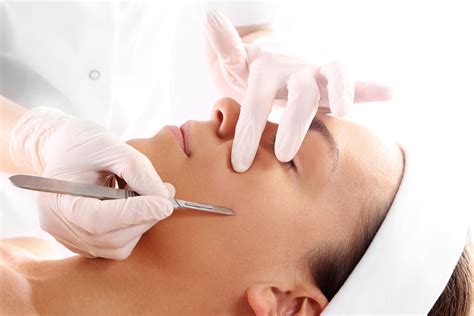
Dermaplaning is a non-invasive, outpatient procedure. While it typically does not cause pain when performed correctly, a numbing cream may be applied as a precautionary measure. During the session, a sterile scalpel is gently glided along the skin at a 45-degree angle to exfoliate the skin and remove fine hairs. The duration of the session can vary depending on the area being treated, with facial sessions typically lasting between 30 minutes and up to an hour and a half.
COMPLETE DERMAPLANE CLASS & DEMO: LEARN FROM A PRO
After the Procedure
Post-procedure care is crucial for optimal results and skin health. It is recommended to be gentle with your skin for the following few days. Your practitioner will likely advise:
- Avoiding harsh cleansers, toners, or exfoliants.
- Applying a soothing moisturizer and sunscreen daily.
- Minimizing direct sunlight exposure.
- Avoiding heavy makeup.
There is no downtime required for skin healing. Experts recommend using a broad-spectrum sunscreen with an SPF of at least 30 and a moisturizer afterward, as the skin may be more sensitive.
Potential Benefits of Dermaplaning
Dermaplaning offers several potential benefits for the skin:
- Removes fine facial hair: It effectively eliminates vellus or "baby" hair from the face.
- Exfoliation: It removes dead skin cells, leading to smoother and brighter skin.
- Improved makeup application: A smooth canvas allows for easier and more even makeup application.
- Quick and simple: The procedure is relatively fast and can be performed at home or in a clinic.
- Cost-effective: When done at home, it can be a more affordable option compared to other cosmetic treatments.
- Smooth, soft skin: It leaves the skin feeling noticeably smoother and softer.
It is important to note that dermaplaning does not cause hair to grow back thicker or darker. While the hair may initially feel coarser as it regrows, it will soften over time. The papilla, which plays a role in hair formation and growth, remains intact when hair is cut at the skin level, unlike with tweezing or waxing where the papilla may be removed, potentially leading to thicker regrowth.
Who is a Good Candidate for Dermaplaning?
Dermaplaning is generally suitable for individuals who do not have severe skin issues. It can be beneficial for those looking to:
- Even out skin tone.
- Brighten a dull complexion.
- Remove unwanted facial hairs.
It is particularly good for people without conditions such as eczema, psoriasis, rosacea, or active acne.
Who Should Avoid Dermaplaning?
Dermaplaning is not recommended for individuals with certain inflammatory skin conditions, including:
- Acne
- Rosacea
- Psoriasis
- Eczema
- Sunburn
Additionally, if you are taking isotretinoin (a medication for severe acne), you should wait at least 6 months after discontinuing the medication before considering dermaplaning.
Potential Side Effects and Risks
While dermaplaning is generally considered safe, potential short-term side effects may include:
- Red and swollen skin from the scraping.
- Soreness.
- A burning or tingling sensation for about 48 hours after the procedure.
Risks associated with dermaplaning can include breakouts, cuts, and scarring. Breakouts can occur if the procedure is performed with incorrect techniques or tools, or if bacteria from a current breakout are spread to other areas of the skin. It is best to avoid dermaplaning during an active breakout until the skin has cleared.
Using a very sharp blade without proper training can lead to cuts, which may result in infection or other complications. If done incorrectly, dermaplaning can also cause skin irritation, dryness, or increased sensitivity to sunlight.
Dermaplaning at Home vs. Professional Treatment
While do-it-yourself kits and tools are available, it is strongly recommended to have dermaplaning performed by a licensed aesthetician or doctor. Using sharp blades without proper training increases the risk of cuts, infection, and scarring.
Professional dermaplaning ensures the use of sterile instruments and proper techniques. Professionals can also assess your skin type and concerns to determine if dermaplaning is the right option for you.
If opting for at-home dermaplaning, it is crucial to use a clean, sharp razor specifically designed for facial use, preferably with a safety blade. The skin should be held taut, and the device should be used at a 45-degree angle with short, light strokes. It is important not to press too hard and to stop immediately if any redness or burning is observed.
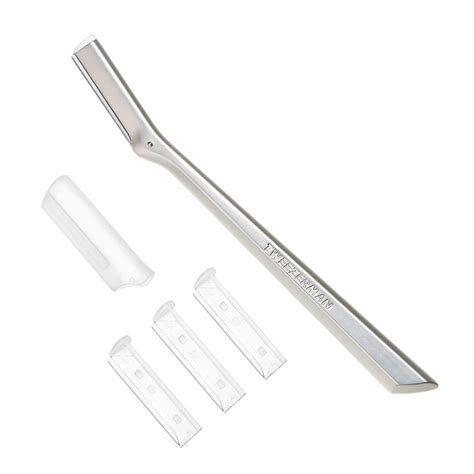
For at-home dermaplaning, it's recommended to use a facial razor with a safety blade. While some tools like Tinkle Eyebrow Razors are affordable, they may not be the most durable. The process should be performed on clean, dry, and taut skin without the need for shaving cream. The steps typically involve washing and drying the face, holding the skin taut, gently gliding the device at a 45-degree angle in short strokes, and finishing with a moisturizer.

Cost and Frequency
Dermaplaning is not covered by insurance, and patients should be prepared for out-of-pocket expenses. The cost of professional dermaplaning can range from $100 to $300 per session. At-home kits vary in price.
For optimal results, dermaplaning can be performed every 3 to 4 weeks. However, it's important to remember that it will not eliminate all acne scars or halt the aging process.
Dermaplaning and Men
While often associated with women, men can also benefit from dermaplaning. Dermaplaning tools are generally not effective for shaving thick beards. However, men seeking dermaplaning may have it performed on areas outside of heavy beard growth, such as the cheeks, neck, and forehead. It is advisable for men to follow their provider's instructions prior to the procedure, which may include shaving on the day of the treatment.
Menstruation and Dermaplaning
There is no scientific evidence to suggest that dermaplaning should be avoided during menstruation. Hormonal fluctuations during a menstrual cycle can sometimes lead to increased skin sensitivity or breakouts, but this does not preclude the safety or efficacy of dermaplaning itself.
Dermaplaning and Other Skin Conditions
While dermaplaning can be beneficial for many, it is crucial to consult with a dermatologist if you have concerns about specific skin conditions. If you are experiencing significant facial hair growth, it is advisable to seek medical advice to rule out underlying conditions such as Polycystic Ovary Syndrome (PCOS) or hirsutism, which may require specific medical treatment.
tags: #dermaplaning #for #facial #hair