A peeling face mask is designed to provide a "new skin" effect, revealing a smoother and brighter complexion. Understanding the ingredients within such a product is key to knowing how it works and what benefits it offers.
Key Ingredients and Their Functions
Core Components
The most fundamental ingredient in many cosmetic formulations, including peel-off masks, is water (H2O). In cosmetic products, water is purified and deionized, meaning most mineral ions have been removed to ensure purity and stability.
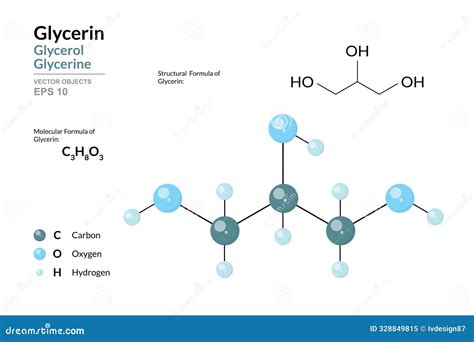
Glycerin is another crucial component, naturally found in the skin. It acts as a powerful humectant, drawing moisture to the skin and helping to retain it. Its low molecular weight allows it to penetrate deeper layers of the skin, improving hydration and strengthening the skin barrier. Glycerin also possesses antimicrobial and antiviral properties, making it beneficial for wound and burn treatments. It is typically derived from plants like soybean or palm, or sometimes from animal sources.
Propanediol is a multi-functional ingredient often seen as a natural alternative to propylene glycol. It functions as an emulsion stabilizer, solvent, and a broad-spectrum antimicrobial agent. Manufacturers also cite its moisturizing properties and its ability to enhance the product's feel on the skin. It contributes to thickening formulas and creating a gel texture, leaving a velvety finish.
Saccharum Officinarum (Sugarcane) Extract is primarily used as a humectant, aiding the skin in attracting and retaining water. It shares a close relationship with Glycolic Acid, a well-known AHA, and is sometimes claimed to contribute to skin exfoliation and brightening. While direct scientific evidence for its exfoliating properties is limited, it is often combined with other acid-containing plant extracts like those found in ACB Fruit Mix.
Citrus Aurantium Dulcis (Orange) Fruit Extract and Citrus Limon (Lemon) Fruit Extract are common sources of Alpha Hydroxy Acids (AHAs), primarily citric acid and malic acid. These AHAs are known for their skin-renewing properties by helping to slough off dead skin cells. Beyond exfoliation, citrus extracts are rich in active compounds like Vitamin C (ascorbic acid), flavonoids, and phenolics, which offer antioxidant, anti-inflammatory, and vasoprotective benefits. However, they can also contain fragrance allergens like limonene and phototoxic compounds like bergaptene, particularly from the essential oil component.
Acer Saccharum (Sugar Maple) Extract is valued for its natural AHA content, specifically malic and tartaric acids. Similar to other fruit extracts, it is believed to assist in the removal of dead skin cells, especially when part of a blend like ACB Fruit Mix.
Texture and Stability Enhancers
Xanthan Gum is a widely used thickener and emulsion stabilizer. It helps to create a gel-like consistency in products that might otherwise be too runny. While it can sometimes make a formula feel sticky on its own, it works well in combination with other rheology modifiers. Xanthan gum is a natural polysaccharide produced through fermentation.
Microcrystalline Cellulose, derived from refined wood pulp, acts as an emulsifier and mattifying agent. It helps to keep ingredients stable within the formula and can provide a smooth, soft texture. The finer versions are used for texture enhancement, while coarser versions can offer gentle exfoliation.
Pentylene Glycol is often used to thicken products and impart a smooth, soft, and moisturizing feel. As a humectant, it draws moisture from the air to the skin, contributing to hydration and acting as a texture enhancer. It can also function as a mild preservative.
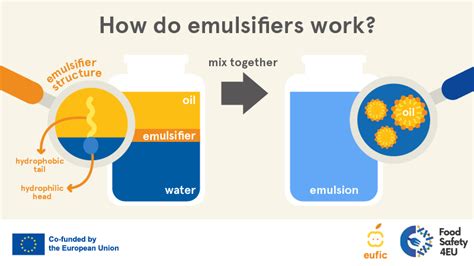
Polysorbate 60 and Sorbitan Isostearate are examples of emulsifiers and surfactants that help to stabilize oil-in-water formulations, preventing ingredient separation and ensuring a uniform product consistency.
Sodium Citrate, the sodium salt of citric acid, is used to adjust pH levels and act as a preservative. It helps maintain the product's pH, which is crucial for the efficacy of other ingredients and for compatibility with the skin's natural acid mantle.
Active Exfoliants and Skin Conditioners
Gluconolactone is a Polyhydroxy Acid (PHA), considered a gentler alternative to traditional AHAs. It exfoliates the top layer of skin by dissolving dead skin cells, thereby improving skin texture and brightness. Due to its larger molecular structure, it penetrates less deeply, leading to reduced irritation compared to AHAs. Studies suggest PHAs can help prevent UV damage and improve skin hydration without significantly increasing sun sensitivity.
Lactic Acid is another popular AHA known for its exfoliating and moisturizing properties. It works by loosening the bonds between dead skin cells, leading to smoother, softer, and more even-toned skin. Lactic acid is gentler than glycolic acid due to its larger molecular size. It also acts as a humectant and can help strengthen the skin barrier and balance the skin's microbiome. Products with a pH between 3-4 are most effective for exfoliation.
Carica Papaya (Papaya) Fruit Extract contains enzymes like papain, which can aid in exfoliation by breaking down dead skin cells. It is often included for its potential to brighten and smooth the skin.
Grapefruit Seed Extract and Tocopherol (Vitamin E) are noted for their antioxidant properties, helping to protect the skin from environmental damage.
pH Adjusters and Preservatives
Sodium Hydroxide, commonly known as lye, is a strong alkali used in small amounts to adjust the pH of cosmetic products. Achieving the correct pH is vital for the efficacy and stability of certain ingredients, especially exfoliants like AHAs and BHAs. While potent in its raw form, it is considered safe once reacted and neutralized in skincare formulations.
Preservatives are essential to prevent microbial growth and extend the shelf life of cosmetic products. Ingredients like Sodium Benzoate and Potassium Sorbate are common preservatives. Sodium benzoate inhibits bacterial growth by interfering with a key enzyme, while potassium sorbate is effective against mold and yeast. They often work best in conjunction with other preservatives and at specific pH levels.
Colorants
CI 19140 (Yellow 5) and CI 17200 (Red 33) are synthetic colorants used to give the product its visual appearance. While generally considered safe, rare allergic reactions can occur in sensitive individuals.
Benefits of the Sephora Peel-Off Mask
Based on its ingredients, the Sephora Peel-Off Mask is formulated to offer several benefits:
- Moisturizing: Ingredients like Glycerin, Propanediol, Pentylene Glycol, and humectants derived from fruit extracts help attract and retain moisture in the skin.
- Gentle Exfoliation: The presence of Gluconolactone (PHA) and low concentrations of AHAs from fruit extracts can help to gently dissolve dead skin cells, improving skin texture and brightness without significant irritation.
- Skin Barrier Support: Ingredients like Glycerin and potentially PHAs can contribute to maintaining and strengthening the skin's natural barrier function.
- Antioxidant Protection: Grapefruit Seed Extract and Vitamin E provide antioxidant benefits, helping to protect the skin from free radical damage.
Are You Sheet Masking Correctly⁉️ 😱 Sheet Mask Do's & Don'ts ✔️
Potential Concerns and Considerations
While the mask is designed for a "new skin" effect, it's important to note some aspects:
- Exfoliation Strength: The concentration of acids (like Gluconolactone at 0.80% - 1.15%) is relatively low, suggesting the exfoliating effect will be mild rather than intense.
- Fragrance: The inclusion of "Fragrance" in the ingredient list means the exact components are not disclosed. Fragrance is a common cause of contact allergies and can be irritating for sensitive skin.
- Alcohol Denat.: While used for its solvent properties and quick drying, high concentrations of denatured alcohol can be drying and potentially irritating for some skin types.
- Talc: Talc is used for its absorbent and mattifying properties, but some concerns exist regarding its purity and potential respiratory effects if inhaled as a fine powder.
The product summary indicates that while the mask is moisturizing, its active ingredients may not be the most potent or well-studied for significant exfoliating effects. The low concentration of acids primarily supports the skin's natural acid mantle and acts as humectants.