In recent times, hygiene has become a paramount concern, leading to a significant increase in the usage of sanitizers and disinfectant wipes. Reports indicate a substantial rise in the sale of antibacterial wipes, largely driven by heightened awareness around public health. These versatile wipes are now an indispensable part of various environments, from healthcare facilities to domestic settings.
Understanding Antiseptic and Disinfectant Wipes
Antiseptic wipes are essentially disposable, pre-moistened cloths infused with germ-killing agents such as alcohol or iodine. They are designed for single use and are effective in eliminating harmful microorganisms like bacteria, viruses, and fungi from skin or surfaces. Their compact, individually wrapped nature makes them highly portable, ideal for first aid kits, travel, or everyday convenience.
Disinfectant wipes, also known as disinfectant towelettes, are wet tissues or towels soaked in a sanitizer or disinfectant liquid. They are used to cleanse skin or surfaces, offering a safe and effective method for killing microorganisms. These wipes typically come in convenient packs or containers, facilitating easy use. The material of these towelettes can vary, including cellulose, polyester, polypropylene, or biodegradable fabrics, which can influence their quality and size.
Key Uses and Benefits of Antiseptic Cleansing Wipes
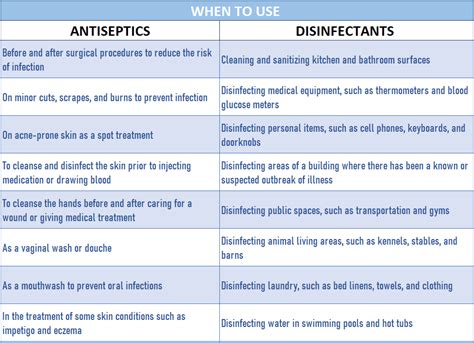
Antiseptic wipes serve as versatile hygiene tools, crucial for killing germs and reducing the risk of infection on both skin and surfaces. They are a common fixture in clinical settings and home healthcare alike.
Personal Hygiene and Hand Cleaning
A primary use of antiseptic wipes is for hand hygiene. When soap and water are not readily available, these wipes offer a convenient alternative for cleaning hands, effectively killing bacteria and removing dirt. This is particularly useful after errands, before meals, or when touching potentially unclean surfaces. They are also safe to use on children, helping to remove dirt and disinfect their hands.
Wound Care and Preparation
Antiseptic wipes play a significant role in preparing the skin around minor wounds. While not a replacement for antiseptic solutions, they assist in cleaning away dirt, sweat, and bacteria from the wound area before dressing or applying medication. It is important to note that unless specifically labeled for medical use, wipes should not be inserted deep into wounds.
Safety Reminder: Antiseptic wipes are intended for external use only and are not suitable for deep wounds, mucous membranes, or serious injuries.
Surface Disinfection
Germs are known to thrive on frequently touched surfaces. Disinfectant wipes are invaluable for maintaining cleanliness in various environments. They are used in hospitals to disinfect surfaces where sterile instruments are placed. In homes, they can be used to clean kitchen counters, tables, and other platforms. At work, they ensure a clean desk, and objects like computer screens, tablets, and household items can also be disinfected using these wipes.
Convenience and Portability
The convenience and portability of antiseptic and disinfectant wipes are among their greatest advantages. They provide immediate cleanliness with minimal effort, which is essential in areas where germs are easily transmitted. Their compact size makes them easy to carry, making them ideal for on-the-go use, travel, or inclusion in first aid kits.
Specialized Applications
- Infant and Elderly Care: Wet antibacterial wipes can be used to clean infants and young children. Caregivers can also use them to wipe the skin of patients and older individuals who may have difficulty cleaning themselves.
- Pet Hygiene: There are specific antibacterial wipes designed for cleaning pets like dogs and cats.
Types of Antiseptic Wipes and Their Characteristics
Understanding the different types of antiseptic wipes can help in choosing the most suitable option for specific needs.
Benzalkonium Chloride (BZK) Wipes
BZK wipes are a type of skin disinfectant ideal for cleansing wounds. They are effective against bacteria, viruses, fungi, and protozoa. Notably, BZK wipes are alcohol-free, which means they tend to be less drying to the skin compared to traditional alcohol wipes. They are often used to prepare the skin around the urethra before using a catheter, offering a less messy alternative to povidone-iodine.
Alcohol Wipes
Alcohol wipes, typically containing isopropyl alcohol, are primarily used for cleaning around wounds rather than directly on them, as the alcohol can cause damage and delay healing. They are also effective for disinfecting surfaces and medical instruments such as bandage scissors or thermometers. Alcohol prep pads are considered essential components of any first aid kit for proper wound care preparation.
Povidone-Iodine Wipes
Povidone-iodine is an antiseptic and topical antibiotic available in prep pads and solution forms. Its active ingredients are effective and painless, making it a good option for open wounds, though it can be messy. It's important to be aware that some individuals may have adverse reactions to iodine, so it's advisable to check before use.
Distinguishing Between Antiseptic and Alcohol Wipes
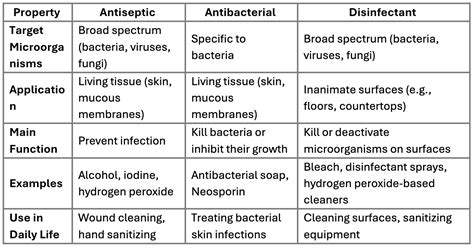
While often perceived as interchangeable, antiseptic and alcohol wipes have distinct differences, primarily in their chemical composition and intended uses.
Chemical Composition
- Antiseptic Wipes: Made from antibacterial agents or biocides, often including quaternary ammonium compounds.
- Alcohol Wipes: Primarily composed of isopropyl alcohol, usually mixed with water in a ratio of approximately 70% alcohol to 30% water.
Primary Uses
- Antiseptic Wipes: Primarily used for disinfecting skin, cleaning wounds, and general surface cleaning. They are considered 100% effective in killing germs and viruses and are common in medical settings.
- Alcohol Wipes: Best suited for disinfecting non-medical surfaces, such as optical lenses, computer keyboards, and display screens. They evaporate quickly and are less likely to leave residue or damage sensitive electronics.
Safety and Efficacy
- Antiseptic Wipes: Generally safe for skin, though they can cause irritation or allergic reactions in some individuals. They are not flammable and are safe for use in environments with heat sources.
- Alcohol Wipes: Highly flammable and should be used with caution near open flames or sparks. They can also cause skin dryness and irritation due to their high alcohol content.
Proper Usage and Storage of Wipes
To ensure the effectiveness of antiseptic and disinfectant wipes, proper usage and storage are crucial.
Cleaning Before Disinfecting
For optimal results, it is recommended to clean surfaces before disinfecting them. Dirt and grime can create conditions for germs to multiply. Ideally, one wipe should be used to clean off dust and debris, followed by another to disinfect the surface. Some advanced wipes offer 2-in-1 technology, cleaning and disinfecting in a single action.
Avoiding Overuse of a Single Wipe
Using the same wipe across multiple surfaces can inadvertently spread bacteria or viruses. Even if a wipe appears clean and damp, it can transfer germs. It is best to change wipes after cleaning each distinct area to ensure effective disinfection.
Correct Storage
To maintain their efficacy, antiseptic and disinfectant wipes must be stored correctly. Always ensure the lid on the packaging is securely closed after each use. Improper sealing can cause the wipes to dry out, reducing the concentration of the disinfectant solution and rendering them less effective at killing germs.
V-WIPES Disinfectant Wipes - Routine Cleaning and Disinfecting in Healthcare
Using the Right Wipe for the Task
Not all antiseptic or disinfectant wipes are created equal. Some are specifically designed to kill bacteria, while others are effective against viruses. Some may be safe for skin and surfaces, while others are not. It is important to choose wipes appropriate for the intended use, considering factors like food safety for kitchen use or skin compatibility.
Allowing Surfaces to Air Dry
After wiping a surface, it is best to allow it to air dry naturally. The cleaning agents in wipes require a specific contact time to effectively kill germs, typically ranging from 30 seconds to several minutes. Drying the surface prematurely can reduce this contact time, compromising the disinfection process.
Environmental Considerations
A significant drawback of many antiseptic wipes is their composition of plastic polymers, which are not biodegradable and contribute to environmental pollution. While research is ongoing to develop more eco-friendly alternatives, current antibacterial ingredients often limit the use of biodegradable fabrics. In contrast, some alcohol wipes are made from biodegradable non-woven fabrics, making them a more sustainable choice.
tags: #antiseptic #cleansing #wipes