In the ever-evolving world of beauty and skincare, new products frequently emerge, claiming to be essential additions to our routines. Among these, skincare wristbands have recently gained significant attention, with many high street cosmetic stores and beauty advent calendars featuring them. This begs the question: are these wristbands a fleeting trend or a genuinely beneficial tool for enhancing your skincare regimen?
What are Face Wash Wristbands?
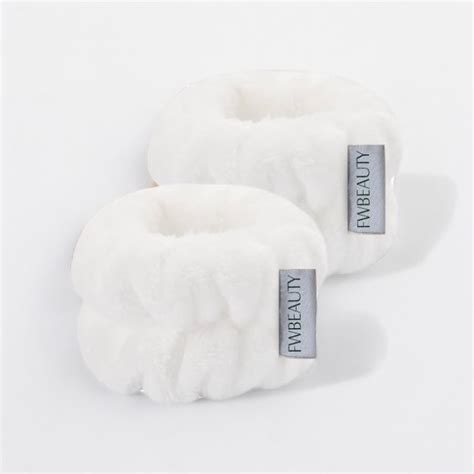
Face wash wristbands, often described as similar to headbands but worn on the wrists, are designed to prevent water and skincare products from dripping down your arms during cleansing and other facial skincare steps. The concept is simple: by creating a barrier around your wrists, they aim to keep your sleeves dry and prevent messy drips on countertops and bathroom floors.
The idea behind products like WristBrella, invented in 2018, reportedly stemmed from a parent's frustration with the constant cleanup required after beauty rituals. The analogy of "umbrellas on one's wrists" highlights their intended function of catching drips and spills.
Perceived Benefits of Skincare Wristbands
Enthusiasts of skincare wristbands often tout a range of benefits, suggesting they elevate the entire skincare experience. These purported advantages include:
- Enhanced Hygiene: While not a primary function, wristbands can prevent messy drips, thereby reducing contamination of countertops and bathroom floors.
- Convenience and Comfort: They are easy to use, stretchy, and can prevent the sensation of water trickling down one's arms, which some find unbearable.
- Product Application: Some suggest they can be used for patting the face dry to reduce irritation or even as an application tool for masks and toners.
- Reduced Product Wastage: It's claimed they help minimise product wastage by catching spills.
- Spa-like Experience: The popularity of these wristbands may be linked to a growing desire for more spa-like experiences at home, driven by product development and the rise of multi-step skincare regimens.
The affordability of these accessories, with some packs costing as little as £4.39, further contributes to their appeal as a seemingly simple yet effective addition to a skincare routine.
Evaluating the Claims: A Critical Perspective
Despite the enthusiastic claims, a critical examination reveals that some of the purported benefits may be overstated or even misleading.
Hygiene Concerns
While wristbands can indeed catch drips, the claim of "enhancing hygiene" is questionable. Similar to face cloths, towels, and spa headbands, skincare wristbands require diligent cleaning. If not washed regularly, they can become a breeding ground for germs, potentially introducing bacteria to the skin. The wrists themselves can also harbour germs, and a damp wristband could exacerbate this issue, potentially becoming as problematic as a neglected washing-up sponge.
Bacteria thrive in wet, warm environments, making wristbands a potential threat to well-being unless they are scrupulously cleaned daily and never left damp or near a toilet.
Product Wastage and Application
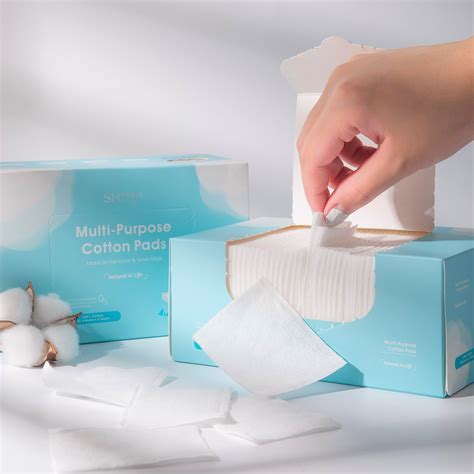
The assertion that wristbands minimise product wastage is difficult to substantiate. Spilling product onto a wristband is still a form of wastage, just as spilling it into a sink is. Furthermore, using wristbands as an application tool for skincare products is generally not recommended. Clean hands or sterile cotton pads are considered much safer and more effective alternatives for applying treatments.
The "Spa-like" Experience vs. Professional Practice
While wristbands might contribute to a more "at-home spa" feeling, it's notable that beauty therapists and skin clinic technicians are rarely, if ever, seen wearing them. This suggests that professional practice does not deem them a necessary or beneficial tool for achieving optimal skincare results.
The Bottom Line: Convenience Over Necessity
For individuals who find the sensation of water running down their arms unbearable, skincare wristbands offer a straightforward solution. They provide convenience and can prevent the annoyance of wet sleeves and damp floors. However, they are far from a necessity in a skincare routine.
From a hygiene perspective, incorporating wristbands requires a commitment to regular and thorough washing. Without this, they pose a potential risk of bacterial contamination. Many experts suggest that investing in quality skincare products is a more worthwhile expenditure than purchasing superfluous accessories like wristbands.
Ultimately, while face wash wristbands can offer a degree of comfort and cleanliness for some, their broader claims of enhancing hygiene or improving product efficacy are largely unsubstantiated. They remain a personal preference rather than an essential component of effective skincare.