While shampooing, conditioning, and deep treatments are staples of hair care, a simple yet often overlooked practice can significantly enhance your hair's health: brushing your scalp. This technique, distinct from merely brushing your hair, offers a multitude of benefits that can transform your hair's condition and potentially encourage regrowth.
Stimulating Blood Flow
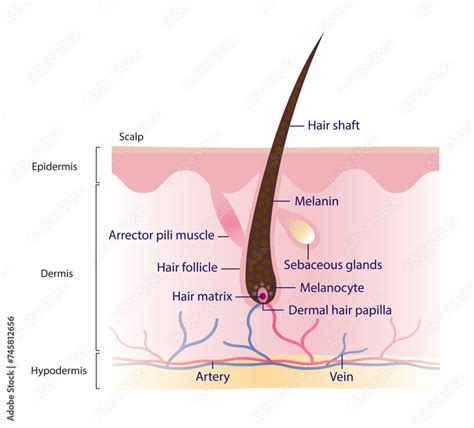
Brushing your scalp plays a crucial role in stimulating blood flow to the hair follicles. This enhanced circulation ensures that essential nutrients and oxygen are effectively delivered to the roots, which is vital for promoting healthier hair growth. It functions as a gentle massage, revitalizing the scalp and fostering the development of stronger, more vibrant hair.
Distributing Natural Oils
Your scalp naturally produces sebum, an oil that moisturizes and protects your hair. However, sebum can sometimes accumulate at the roots, leading to greasy-looking hair while the ends remain dry. Scalp brushing helps to evenly distribute these natural oils from the roots all the way to the tips. This process provides natural conditioning and imparts a beautiful shine to your hair.
Exfoliating the Scalp
Similar to the skin on your body, your scalp requires exfoliation to remove dead skin cells and product residue. Regular scalp brushing gently exfoliates the scalp, which can help prevent common issues such as dandruff and clogged hair follicles. A clean and healthy scalp is fundamental for achieving healthy hair growth.
Reducing Stress and Tension
Incorporating scalp brushing into your routine can also serve as a form of self-care. The gentle massage action can help to reduce stress and tension, making it a relaxing addition to your daily regimen. Lower stress levels are often associated with fewer stress-related hair problems, including hair loss or dullness.
How to Brush Your Scalp Correctly
Choosing the Right Brush
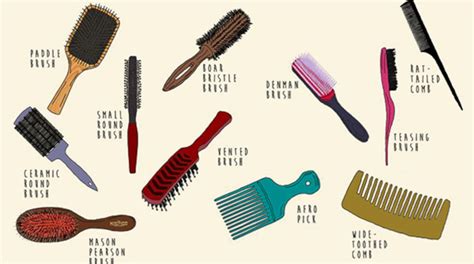
Opt for a brush with soft bristles or a specialized scalp brush designed for this purpose. It is important to avoid brushes with hard or metal bristles, as these can scratch or irritate your scalp.
Gentle Technique
Utilize gentle, circular motions to massage your scalp. Excessive pressure is unnecessary; allow the bristles to perform the work. While brushing through your hair is acceptable, focus special attention on the scalp itself, dedicating a few minutes to different areas for comprehensive coverage.
Frequency of Brushing
Incorporate scalp brushing into your daily routine for maximum benefits. However, it is advisable to adjust the frequency based on how your scalp feels and reacts. Some experts recommend brushing twice a day, once in the morning and once at night, to effectively distribute natural oils.
HOW TO USE A SHAMPOO BRUSH: MEGA GUIDE
Understanding Hair Brushing Myths and Realities
The 100-Stroke Myth Debunked
A persistent myth suggests that brushing your hair 100 times a day leads to sleek, healthy hair. However, this is not true. In fact, studies indicate that brushing excessively can lead to more harm than good. Excessive brushing can cause split ends, weaken hair strands, and result in breakage and hair loss. The American Academy of Dermatology advises against this practice, and research has shown that less frequent brushing can reduce hair loss.
Brushing Wet vs. Dry Hair
When it comes to brushing wet hair, the technique and type of brush are critical for maintaining hair health. Hair is particularly fragile when wet. Therefore, a gentle approach is essential. Experts often recommend using a wide-tooth comb or a brush specifically designed for wet hair, such as a Wet Brush, for detangling. For dry hair, paddle brushes or brushes with ball-tipped, plastic bristles are often recommended.
Brushing for Shine and Health
While vigorous brushing does not stimulate hair growth, proper brushing can enhance hair health and appearance. By distributing natural oils from the scalp along the hair shaft, brushing can make hair appear shinier and smoother. This increased blood flow to the scalp can deliver more nutrients and oxygen to the hair follicles, contributing to hair that looks fuller and shinier.
When to Seek Professional Advice
If you are concerned about hair loss, excessive dryness, brittleness, or damage despite adjusting your hair care routine, it is advisable to consult a doctor or dermatologist. There may be an underlying cause that requires professional diagnosis and treatment.