Choosing the right Botox provider significantly impacts your safety and results. With Botox being offered in physician offices, med spas, salons, and even at in-home parties, selecting the most qualified professional can be a challenge. The most important qualification an injector can possess is board certification in a relevant medical specialty. Specifically, you should look for a provider board-certified by the American Board of Plastic Surgery (ABPS) or the American Board of Dermatology (ABD).
However, not all board-certified professionals offer Botox regularly, so it is important to inquire about the provider's years of injecting experience and the frequency with which they perform these procedures. While nurse practitioners, physician assistants, and registered nurses can legally administer Botox in many states, their specialized facial anatomy training and injection experience can vary significantly.
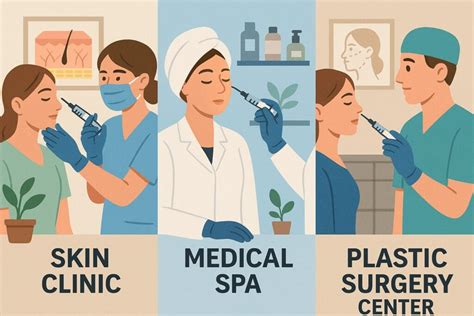
Understanding the Consultation Process and Facility Environment
The consultation process offers significant insight into a provider’s approach to treatment. Quality providers offer thorough consultations, develop customized treatment plans, and maintain clear safety protocols. Observing the facility for indications of quality is also crucial. Look for clean, professional environments with proper medical equipment and supplies. Safety should remain your primary concern. Quality providers will perform a thorough medical history review and a face-to-face consultation before treatment.
Medispas vs. Medical Facilities: Key Differences
Medical facilities and medispas offer distinctly different environments and levels of medical supervision, which can significantly impact your safety and treatment outcomes. A medispa is a medical spa-a hybrid of a traditional day spa and a medical clinic. Under medical supervision, medispas offer both traditional spa services and medical treatments. However, with a medispa, the physician may not always be on-site. Medispa regulations change from state to state, meaning the level of medical oversight and safety rules can vary between facilities.
Can Estheticians Administer Botox?
Botox is one of the most popular cosmetic treatments available today, known for its ability to reduce wrinkles and fine lines, giving individuals a refreshed and youthful appearance. If you are an esthetician, or considering becoming one, you may be wondering whether you can offer Botox to your clients. The short answer is no, estheticians cannot perform Botox injections unless they meet specific legal and educational requirements.
What is Botox and How Does It Work?
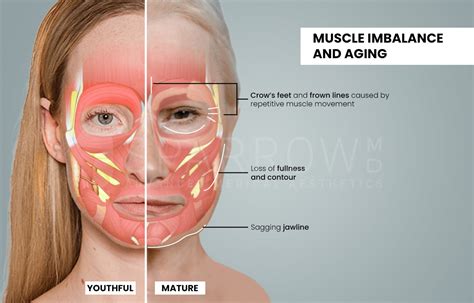
Botox, or Botulinum toxin, is a prescription injectable treatment that temporarily paralyzes the muscles responsible for causing wrinkles and lines, particularly on the forehead, around the eyes, and between the brows. It’s often used to treat dynamic wrinkles that are formed from facial expressions. Botox works by blocking nerve signals that cause muscle contractions, resulting in smoother, more youthful skin.
While Botox is highly effective and in demand, it is considered a medical procedure because it involves injecting a substance into the skin, which requires a higher level of medical training and certification.
Legal Restrictions for Estheticians
In most states, estheticians are not legally allowed to inject Botox. This is because Botox is a medical procedure that involves administering a prescription drug, which falls under the scope of practice for licensed medical professionals. Estheticians are trained in skincare treatments like facials, waxing, and body treatments, but they are not authorized to perform invasive procedures like injections.
Who is Qualified to Perform Botox Injections?
To legally administer Botox, a healthcare professional must have a valid medical license and appropriate training. This includes:
- Physicians (MDs or DOs): Medical doctors who have specialized training in dermatology or cosmetic procedures can perform Botox injections.
- Nurses (RN, NP): Registered nurses (RNs) or nurse practitioners (NPs) with additional training in cosmetic procedures can also perform Botox injections in many states. In some cases, they work under the supervision of a physician.
- Physician Assistants (PAs): Physician assistants who are licensed and have received training in Botox injections can also provide this service, often under the supervision of a doctor.
- Dentists (DDS or DMD): Authorized in many states to inject Botox and fillers, especially in the context of dental or facial aesthetics.
Can Estheticians Be Involved Under Supervision?
While estheticians cannot inject Botox directly, some states allow them to be involved in Botox treatments under the supervision of a licensed healthcare provider. In this scenario, the esthetician may help prepare the client, assist in providing aftercare instructions, or offer complementary services, but the licensed medical professional must administer the Botox. They cannot perform the injection themselves.
Pathways for Estheticians to Offer Botox Services
If you are an esthetician interested in offering Botox to your clients, you can still pursue this goal by collaborating with a licensed healthcare provider or pursuing further education:
Collaboration with Licensed Medical Professionals
Many estheticians partner with dermatologists, plastic surgeons, or registered nurses who are qualified to administer Botox. By offering these treatments in a MedSpa setting, you can continue providing your skincare expertise while expanding your service offerings. In this capacity, you’ll likely receive a commission or a share of the revenue for the treatments you help to facilitate.
Becoming a Certified Injector
For estheticians serious about adding Botox to their practice, pursuing additional training to become a certified injector is an option. This requires becoming a licensed nurse (RN or NP) or a physician assistant (PA) first. Once you have obtained your medical license, you can complete a Botox certification course, which is typically offered by medical training programs and schools specializing in cosmetic procedures. This is a more advanced route, but it allows individuals to expand their scope of practice in the long run.
Working in a MedSpa
MedSpas are businesses that combine medical and aesthetic services, typically led by medical professionals. If you work in a MedSpa, you may have the opportunity to assist with Botox treatments, although the injections themselves will still be performed by a licensed medical professional.
Benefits of Collaboration for Estheticians
Even though estheticians cannot inject Botox themselves, there are still several benefits to collaborating with licensed medical professionals:
- Expanded Services: By offering Botox treatments in your practice, you can attract more clients looking for a one-stop shop for both skincare and injectables.
- Increased Revenue: Estheticians often receive a commission or referral fee when they assist in providing Botox services, which can be a lucrative addition to their income.
- Building Client Trust: Many clients prefer to receive both their skincare treatments and injectables from the same provider. By offering Botox, you enhance your relationship with clients, giving them more reasons to stay loyal to your practice.
- Educational Opportunities: Working closely with a licensed professional offers the opportunity to learn about Botox and injectables firsthand. This can be beneficial if you plan to pursue advanced training in medical aesthetics later on.
Botox Training Video: Master Injections & Certification in Just 8 Hours!
Steps to Becoming a Certified Botox Injector
The process of becoming a certified Botox injector involves meeting specific educational and training requirements:
Meet the Requirements for Injecting Cosmetic Injectables
Only a licensed medical professional such as a doctor, physician’s assistant, nurse practitioner, or registered nurse is permitted to administer cosmetic injectables like Botox injections or Dermal Fillers. You need to provide a relevant medical degree and transcripts in order to enroll in a Botox® or Dermal Filler certification course.
Enroll in a Dermal Filler or Botox Certification Course
Enroll in a Botox® or dermal filler certification course from a reputable, accredited institution. Training programs that offer clinical, hands-on teaching for the necessary skills are highly recommended, as clinical teaching helps with the hands-on techniques of administering cosmetic injections.
Educational Requirements for Administering Botox Injections
Before enrolling in a Botox® certification course, medical professionals must first complete years of formal education and clinical training. This typically includes:
- Physicians (MDs and DOs): Earning a medical degree (MD or DO), followed by residency. They are fully licensed to prescribe and administer both Botox® and dermal fillers independently.
- Nurse Practitioners (NPs): Holding a bachelor’s or master’s degree in a healthcare field, with licensure. They can perform injections with or without physician oversight, depending on state regulations.
- Physician Assistants (PAs): Holding a relevant degree and licensure. They are typically allowed to inject under the supervision or delegation of a physician.
- Registered Nurses (RNs): Holding a relevant degree and licensure. They may administer Botox® and dermal fillers under supervision, depending on their state’s scope of practice laws.
- Licensed Practical Nurses (LPNs): In most states, LPNs are not permitted to perform injections unless explicitly allowed and under strict supervision.
Botox Certification Requirements
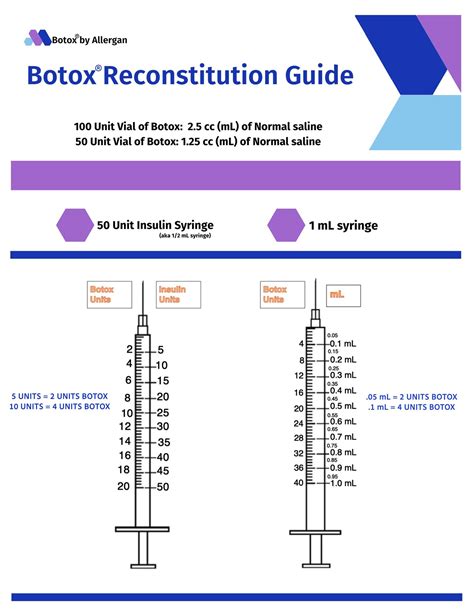
Certification is the next step after obtaining an active medical license. To become certified in botulinum toxin administration, eligible professionals must complete an injectable certification program that includes both academic modules and hands-on training in a clinical setting. These courses typically cover how Botox works by blocking nerve signals, proper dosing, possible adverse reactions, and treatment techniques. For those seeking combined training in Botox® and dermal fillers, many programs are designed specifically to address both areas.
Proper training in complete facial esthetics is key in developing the necessary skills to administer injectables to patients and to satisfy state board and liability insurance requirements. When medical professionals participate in accredited training, there is a very short learning curve due to their prior knowledge of facial anatomy.
Continuing Education and Staying Updated in Aesthetic Medicine
Specialized training programs focus on Botox® and Dermal Filler training for physicians, registered nurses, nurse practitioners, physician assistants, and dentists in all areas of facial esthetics, focusing particularly on wrinkle treatments. Comprehensive training courses include live, hands-on patient training. Advanced-level courses are also available after completion of initial training. Thousands of medical professionals have been trained for proper Botox® and dermal filler injections.
Earnings for certified injectors can vary widely based on experience, location, and whether they work for a practice or operate their own. While the risks of Botox include mild bruising, localized pain, and swelling at the injection site, these are common side effects and usually temporary.