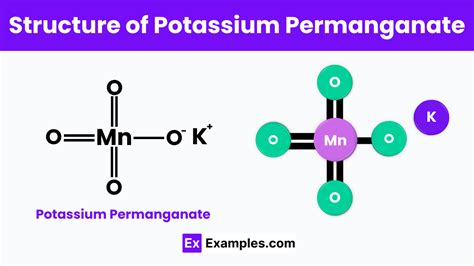
Potassium permanganate, with the chemical formula KMnO4, is a powerful oxidizing agent possessing disinfectant, deodorizing, and astringent properties. Historically, a permanganate solution was a traditional treatment for various fungal infections. However, newer topical azoles like clotrimazole and allylamines are now more commonly prescribed for such conditions.
Potassium permanganate is utilized as a topical treatment for infected eczema, blistering conditions, and wounds. The skin of individuals with atopic dermatitis (AD) is often severely affected, with a weakened skin barrier function. The pH of the skin, crucial for maintaining barrier homeostasis and acting as an innate defense mechanism, tends to be higher in AD patients compared to healthy individuals. Acute secondary skin infections, resulting from staphylococcus and/or streptococcus activity, particularly Staphylococcus aureus and group A beta-hemolytic Streptococcus pyogenes, are common. These infections can also become chronic. In patients with moderate to severe atopic dermatitis, the skin is frequently colonized by staphylococci, predominantly Staphylococcus aureus. This bacterium exacerbates atopic dermatitis and triggers numerous inflammatory and allergic reactions. While Staphylococcus aureus is a normal component of the skin microbiota in healthy individuals, it constitutes a smaller proportion.
A study aimed to explore the antibacterial and antibiofilm properties of potassium permanganate against staphylococcal isolates derived from AD skin. Viable count and radial diffusion assays were employed to investigate the antibacterial effects of potassium permanganate against planktonic staphylococcal isolates. The antibiofilm effects were assessed using biofilm assays and scanning electron microscopy. The findings indicated that Staphylococcus aureus isolates were completely eradicated when exposed to 0.05% potassium permanganate. At a concentration of 0.01%, potassium permanganate inhibited bacterial biofilm formation. Furthermore, the eradication of established staphylococcal biofilm was observed at concentrations of 1%. Electron microscopy revealed dense formations of coccoidal structures in growth controls and looser formations of deformed bacteria when exposed to potassium permanganate.
How to Use Potassium Permanganate for Eczema
Potassium permanganate is intended for external use only and must never be taken internally due to its high toxicity. If you are planning to use potassium permanganate, it is essential to consult with your pediatrician, general practitioner, dermatologist, or pharmacist for guidance on application.
Dilution and Preparation
Proper dilution is crucial to avoid irritation and burns. An undiluted solution can cause significant damage to the skin and mucous membranes. Even with dilution, irritation may occur, and repeated use can still lead to burns.
- General Dilution: A common dilution for medical uses is 1 part to 10,000. For example, a 0.01% solution (1 in 10,000) is often used.
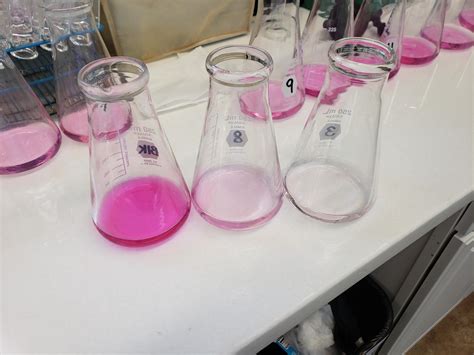
- Preparing a Solution: Dissolve a small portion of potassium permanganate crystals in a glass of lukewarm or hot water. The amount needed will vary depending on the volume of water. For a standard domestic bath, a very small pinch is usually sufficient to turn the water a gentle pink color.
- Using Tablets: Potassium permanganate is also available in 400-milligram (mg) tablets. To use tablets for a bath soak, dissolve one tablet in 4 liters of hot water before adding it to the bath.
- Achieving the Correct Color: A diluted solution should appear light pink. An undiluted solution has a striking purple color.
Application Methods
The affected area can be immersed in the dilute solution for 10-20 minutes, typically twice a day. Following the soak, gently pat the affected area dry with a paper towel. Treatments such as topical steroid creams can then be applied.
- Soaking Hands or Feet: If a foot or hand is affected, the diluted permanganate solution can be placed in a bowl or bucket. Using a plastic bag liner for the container allows for easy disposal after use.
- Bath Soaks: Add the prepared solution to a bathtub until the water turns a gentle shade of pink. For a bath soak using tablets, dissolve one tablet in 4 liters of hot water before pouring into the bath. The bath soak may be repeated twice daily for two to three days.
- Wet Dressings: For superficial wounds, a dilution of 1 part in 10,000 can be applied to a bandage and placed over the wound. The bandage should be changed two to three times a day.
- Washing Affected Areas: Dip cotton or gauze in the solution and use it to gently wash affected areas.
Specific Conditions and Dilutions
- Infected Eczema: Use or create a dilution of 1 part in 10,000. Add this to a basin or bathtub and soak the affected part of your body.
- Athlete's Foot: For severe infections, soak your foot in a 1 part in 10,000 dilution of potassium permanganate every eight hours. Your doctor might prescribe a stronger solution depending on the severity of your infection.
- Impetigo: Gently rub a 1 part in 10,000 dilution on the affected skin to remove loose bits of skin.
- Stronger Solutions: In some cases, a doctor might instruct you to create a stronger solution with a dilution of 1 part in 7,000. This involves mixing 1 part potassium permanganate with 7 parts hot water, resulting in a slightly darker pink liquid.
Safety Precautions and Potential Side Effects
While generally safe when used correctly, potassium permanganate requires careful handling and adherence to safety guidelines.
Staining
Potassium permanganate is a dye and can leave a temporary brown stain on the skin and nails. This staining typically fades after a day or two. It can also permanently color clothing, fabrics, and ceramic basins or bathtubs. To prevent staining of fingernails and toenails, applying nail varnish or soft paraffin to them before treatment is recommended.
Irritation and Burns
Concentrated solutions or improperly dissolved crystals can cause skin irritation, redness, pain, and burns. Ensure that crystals or tablets are fully dissolved in water before use, and always use hot (but not boiling) water to aid dissolution. If the solution irritates your skin or causes redness, discontinue use immediately and contact your doctor.
Ingestion and Eye Contact
Potassium permanganate is harmful if swallowed, even in diluted form. Serious medication errors involving inadvertent oral administration have been reported, necessitating urgent hospital referral for any patient who has ingested any amount. Avoid using potassium permanganate near the eyes.
Handling Precautions
- Wear gloves when preparing a dilution to protect your hands from staining and potential irritation.
- Ensure tablets or crystals are fully dissolved before use.
- Clean bathtubs and basins thoroughly after use to remove any residual staining.
Hand eczena using potassium permanganate soaks
Adverse Effects
Reported adverse effects include skin irritation, dryness, reddening, or burns. If you experience any adverse effects, stop using the treatment and consult a healthcare professional.
Regulatory Information and Further Resources
Approved datasheets are the official source of information for medicines, including approved uses, doses, and safety information. In the UK, a licensed medicinal potassium permanganate product does not currently exist, but the chemical product is subject to the Control of Substances Hazardous to Health Regulations. The chemical is dissolved in water to give a topical solution of 0.01% (1 in 10,000) for wet dressings or bath soaks. For the management of eczema, antiseptics like potassium permanganate are discussed for their potential to lower bacterial load in atopic eczema, though evidence for their benefit in weeping or blistering complications is limited.
The Medicines and Healthcare products Regulatory Agency (MHRA) manages the Yellow Card scheme, which collects information on suspected side effects of medicines and medical devices. The British Association of Dermatologists (BAD) provides recommendations to minimize the risk of harm from potassium permanganate soaks, with updated guidance available following a National Patient Safety Alert issued by NHS England in April 2022 regarding inadvertent oral administration.
tags: #potassium #permanganate #for #eczema