A significant buzz surrounds collagen drinks and supplements, with celebrities and influencers frequently promoting their purported miraculous benefits for skin, hair, and nails. Given that collagen is vital for supporting these tissues, it is plausible that consuming it could lead to lush hair and a youthful appearance. Collagen is a primary structural protein found in our tissues, including skin, hair, nails, tendons, cartilage, and bones. It works in conjunction with substances like hyaluronic acid and elastin to maintain skin elasticity, volume, and moisture. Our bodies naturally produce collagen by utilizing amino acids derived from protein-rich or collagen-rich foods such as bone broth, meat, and fish. Collagen drinks and supplements often contain collagen sourced from various origins, including fish, cattle, pigs, or chicken.

A comprehensive review and analysis of 19 studies, involving a total of 1,125 participants and published in the International Journal of Dermatology, indicated that individuals using collagen supplements experienced improvements in skin firmness, suppleness, and moisture content, with a noticeable reduction in the appearance of wrinkles. However, it remains unclear if these skin improvements were directly attributable to collagen intake. Some randomized, controlled trials suggest that consuming collagen supplements with high concentrations of the peptides prolylhydroxyproline and hydroxyprolylglycine can enhance skin moisture, elasticity, and reduce wrinkles and roughness. Conversely, there is limited evidence to support the use of collagen for improving hair and nail health. A small 2017 study involving 25 individuals with brittle nails found that a daily intake of 2.5 grams of collagen for 24 weeks led to improvements in nail brittleness and growth. Currently, there is a lack of human studies examining the benefits of collagen supplementation for hair. Therefore, at present, there is insufficient proof that taking collagen pills or consuming collagen drinks will significantly impact skin, hair, or nails.
Our bodies are unable to absorb collagen in its whole form. The ingested peptides may be further broken down into the fundamental building blocks for proteins like keratin, which are essential for skin, hair, and nail formation. Alternatively, these peptides might form collagen that is then deposited in other bodily areas, such as cartilage, bone, muscles, or tendons. If your primary goal is to enhance skin texture and elasticity while minimizing wrinkles, it is generally more effective to prioritize sun protection and the use of topical retinoids. Should you opt to try collagen supplements or drinks, it is advisable to carefully review the ingredient list and protein profile, avoiding products with excessive additives or fillers. Consulting with your doctor before beginning any new supplement regimen is also recommended. Large-scale trials evaluating the benefits of oral collagen supplements for skin and hair health are not yet available.
The Role of Collagen in the Body
Collagen is a protein integral to the health of joints and the elasticity of skin. It is present in our bones, muscles, and blood, constituting approximately three-quarters of our skin and one-third of the total protein in our body. Your body naturally synthesizes collagen by combining amino acids, the protein building blocks found in food. For effective collagen production, your body requires specific components:
- Proline: Found in egg whites, dairy, cabbage, mushrooms, and asparagus.
- Glycine: Present in pork skin, chicken skin, gelatin, and various other protein-rich foods.
- Vitamin C: Abundant in citrus fruits and bell peppers.
- Zinc: Found in beef, lamb, pork, shellfish, chickpeas, lentils, beans, milk, cheese, and a variety of nuts and seeds.
- Copper: Present in organ meats, cocoa powder, cashews, sesame seeds, and lentils.
As we age, the body's existing collagen degrades, and its capacity to produce new collagen diminishes. This process is particularly noticeable after menopause, as the body increasingly struggles to absorb sufficient nutrients required for collagen synthesis. However, consuming collagen-rich foods can help mitigate some of these absorption challenges, thereby supporting a stronger and healthier body as one ages. Collagen also plays a role in:
- Blood clotting.
- Replacement of dead skin cells.
- Formation of a protective cover for organs.
- Growth of new skin cells.
Types of Collagen
The human body contains numerous types of collagen, with scientists having identified 29 distinct varieties. The five primary types include:
- Type I: Provides strength to the skin, bones, ligaments, and tendons.
- Type II: Forms the flexible cartilage that supports the joints.
- Type III: Found in internal organs, blood vessels, and muscles.
- Type IV: Present in certain layers of the skin.
- Type V: Located in the corneas and some layers of the skin and hair.
Most collagen supplements primarily contain types I, II, and III, which constitute the majority of collagen in the body. These supplements often feature a digestible form of collagen known as collagen peptides or hydrolyzed collagen. They are typically derived from the tissues of cows, pigs, chickens, or fish. Vegan collagen powders, produced from bacteria and yeast, are also available, although scientific research on their comparable efficacy to animal-sourced collagen is still developing.
Understanding Collagen Supplements
Collagen supplements are available in various forms, including powders, capsules, gummies, and liquids. These supplements are derived from animal tissues and are processed into a digestible form. For instance, collagen peptides are small fragments of animal collagen that are readily absorbed through the gastrointestinal tract. Collagen powder offers the same active ingredients as capsules and gummies but allows for greater flexibility in dosage and consumption methods. It can be easily incorporated into beverages and foods. Collagen liquids, including premade drinks or packets, provide a convenient way to consume collagen, often with added beneficial ingredients and in various flavors.

Nutritional Profile of Collagen Powder
A typical serving of 14 grams of collagen peptide powder provides approximately:
- Calories: 50
- Protein: 12 grams
- Fat: 0 grams
- Carbohydrates: 0 grams
- Fiber: 0 grams
- Sugar: 0 grams
This same serving also contains about 29 milligrams of calcium, 44.9 milligrams of sodium, and 0.98 milligrams of potassium. Collagen supplements can contribute to your daily protein requirements, provided they contain at least eight of the nine essential amino acids. The missing essential amino acid, tryptophan, is readily available in many common foods like dairy, meats, seafood, tofu, nuts, and grains. Research indicates that most individuals can obtain up to one-third of their daily protein from collagen and still meet their essential amino acid needs.
Potential Benefits of Collagen
Collagen is crucial for maintaining good health due to its widespread presence in the body. While scientific research into the benefits of collagen powder and other supplements is ongoing, there is reasonable evidence suggesting their efficacy in maintaining skin hydration and alleviating osteoarthritis pain. Further studies are needed to explore less understood benefits, such as potential impacts on blood pressure and blood sugar levels. Commonly cited benefits of collagen supplements include:
- Stronger bones: As bone density decreases with age, some research suggests that daily collagen powder intake may help increase bone density, potentially slowing the aging process that leads to bone brittleness and supporting new bone formation.
- Skin elasticity and hydration: Collagen supplements have demonstrated improvements in skin hydration and elasticity in older individuals and may help reduce the appearance of wrinkles.
- Thicker hair: In one study, women experiencing hair thinning observed significant increases in hair quantity, scalp coverage, and thickness while taking daily collagen supplements.
- Healthier nails: Some studies indicate that daily collagen supplementation can lead to faster nail growth and fewer broken or chipped nails.
- Reduced osteoarthritis pain: For individuals with knee osteoarthritis, collagen supplements may offer mild pain relief and improve joint function, with noticeable effects typically seen after 3-5 months of consistent daily use.
- Increased muscle mass: A small study found that men undergoing strength training who took collagen peptide supplements experienced greater increases in muscle mass and strength compared to those who did not.
- Improved heart health: Collagen helps maintain the shape of arteries and blood vessels. A small study on healthy individuals suggested that collagen powder could contribute to healthier arteries and reduce the risk of atherosclerosis.

It is important to note that after ingestion, your digestive system breaks down collagen supplements into amino acids, which your body then reassembles into new proteins. Consequently, the resulting proteins may not necessarily contain the same amino acids as the original supplement, meaning their benefits cannot be precisely targeted to specific areas like skin, hair, or joints.
How to Consume Collagen Powder
The best way to consume collagen powder is through a method that is sustainable and convenient for your daily routine. Consistency in intake is crucial for experiencing long-term benefits. Dr. Archana Batra, a dietitian, suggests several options for incorporating collagen into your daily intake:
- On an empty stomach: Collagen is best absorbed in an acidic environment, making it potentially optimal to take first thing in the morning. If practicing intermittent fasting, consume it immediately after your fasting period, allowing some time before your breakfast.
- Right before bedtime: Taking collagen before sleep may align with the body's natural repair and regeneration processes during sleep, potentially enhancing its impact.
- Post-workout: Given collagen's role in muscle recovery and joint health, consuming it after exercise can aid in reducing muscle soreness by improving blood flow and nutrient delivery.
For individuals with sensitive stomachs, Dr. Batra recommends consuming collagen with meals, as the body's natural enzymatic activity during digestion aids in its breakdown and absorption. To further enhance collagen synthesis, it can be combined with nutrients like vitamin C. Therefore, consuming vitamin C-rich foods, such as citrus fruits, or taking vitamin C supplements can be beneficial. However, it's important to note that iron supplements may compete with collagen for absorption, so spacing out their intake is advisable if both are needed.
Collagen powder can be easily mixed into a variety of liquids, including smoothies, shakes, soups, coffee, tea, juice, or water. To prevent lumps, it is recommended to add a portion of the liquid first and mix thoroughly before adding the remaining liquid. Adding ice is not an issue as long as the supplement powder is fully dissolved.
Mixing Vital Proteins Collagen Peptides in Different Types of Beverages
Choosing the Right Collagen Supplement
When selecting a collagen supplement, always check the label for hydrolyzed collagen, also known as collagen peptides. These forms are more rapidly absorbed by the body and can be mixed into both hot and cold beverages. Dr. Atmakuri points out that the choice of collagen type is a personal decision, with marine and bovine collagen being the most common varieties. It's worth noting that there are fewer studies on the effectiveness of plant-based collagen. Marine collagen may have a slightly unpleasant odor, but this can often be masked by artificial flavors like lemon and berry, which are commonly added by manufacturers.
Consider your health goals when choosing a type of collagen. For instance, Type I collagen is primarily beneficial for skin, while Type II is more suited for joint health. The collagen supplement market includes various types, such as hydrolyzed collagen peptides and vegan collagen-promoting formulas designed to stimulate the body's natural collagen production. For those preferring plant-based options, vegan procollagen supplements can provide the essential amino acid building blocks for Type I collagen, which aids in skin improvement.
It is also important to be aware that the FDA does not regulate collagen powder or other dietary supplements. This means there is no guarantee that a product contains the type or amount of collagen stated on the label. Additionally, there is a potential risk of contamination with pesticides, bacteria, or heavy metals, especially since collagen supplements are often derived from animals. Therefore, it is crucial to purchase supplements from reputable sources.
Natural Ways to Support Collagen Production
Instead of relying solely on supplements, you can support your body's natural collagen production by ensuring your diet is rich in essential nutrients. To produce collagen, the body combines amino acids like glycine and proline with other nutrients such as vitamin C, zinc, and copper. Incorporating foods rich in these elements can aid your body in manufacturing more collagen.
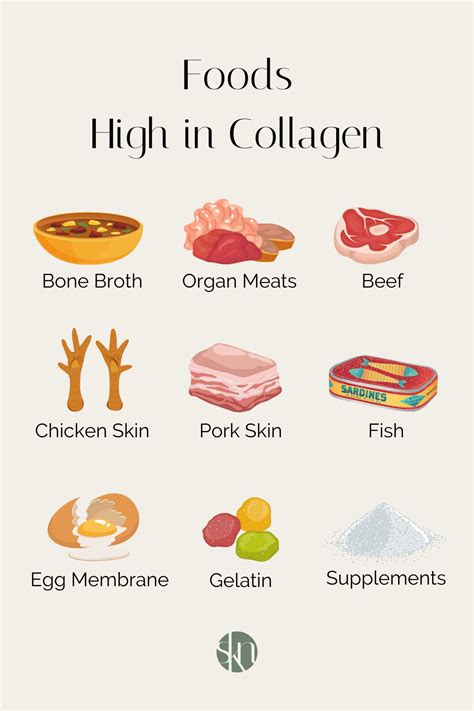
Foods that can help boost collagen production include:
- Bone broth: Made by simmering animal bones and connective tissues, this process extracts collagen.
- Fish with the skin on: The skin of fish is a significant source of collagen.
- Chicken: Contains connective tissue, making it a good source of collagen, particularly chicken feet.
- Red meat: Tougher cuts with connective tissue, like pot roast and brisket, are good sources.
- Fruits and vegetables: Foods rich in vitamin C, such as citrus fruits, tomatoes, leafy greens, and broccoli, encourage the body's collagen synthesis.
- Aloe vera: Low doses of aloe vera supplements have been shown to boost collagen in the dermis and improve skin barrier function, elasticity, and moisture.
- Other high-protein foods: Eggs, dairy, and beans provide the amino acids necessary for collagen production.

Safety and Dosage
Research suggests that adults can safely consume between 2.5 and 15 grams of collagen per day. Many individuals opt for 1-2 tablespoons of collagen powder daily. Side effects from collagen powder, capsules, liquids, or gummies are generally rare. However, there is insufficient research on the safety of collagen supplements for pregnant or breastfeeding individuals. Excessive protein intake, including from collagen, could potentially impact kidney health, so consulting with a doctor before starting any new supplement is advised.
Studies have not reported significant side effects from taking 2.5-15 grams of collagen peptides daily, and it may contribute to the health of your skin, joints, and muscles. Cooking does not destroy collagen or its health benefits. Therefore, collagen powder is considered an excellent supplement for improving skin, joint health, digestion, and overall well-being.