Many individuals who engage in skin picking may question whether this behavior constitutes self-harm. While both skin picking and self-harm can lead to physical and emotional damage, they are classified and understood differently within the realm of mental health. This article aims to clarify the similarities and differences between these behaviors, explore their underlying causes, and offer strategies for management and treatment.
Understanding the Definitions
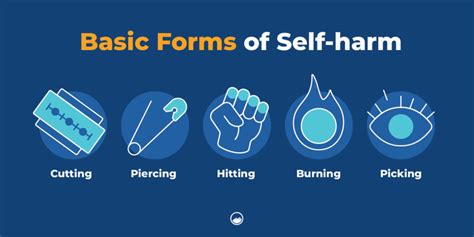
The Diagnostic and Statistical Manual of Mental Disorders, Fifth Edition (DSM-5) defines self-harm as a non-suicidal, self-inflicted injury. In contrast, dermatillomania, also known as compulsive skin picking or excoriation disorder, is categorized as a type of body-focused repetitive behavior (BFRB).
Both skin picking and self-harm can inflict real damage to the body and lead to medical complications if left untreated. These behaviors can become ingrained habits, often forming in individuals coping with trauma or overwhelming emotions as a means to manage distress.
Key Differences and Similarities
While the underlying emotional distress can be similar, a primary distinction lies in the conscious intent and the initial formation of the habit.
- Self-Harm: Typically begins with a deliberate choice to inflict pain upon oneself, which can sometimes lead to an emotional addiction to that sensation. Individuals engaging in self-harm are usually conscious of their actions in the moment.
- Skin Picking (Dermatillomania): May start as conscious actions, such as picking at a hangnail, but can evolve into unconscious behaviors. A significant challenge with dermatillomania is that many individuals do not recognize it as a problem until it has become severe.
It is crucial to understand that skin picking and self-harm are not mutually exclusive; they can co-occur. For instance, an individual might engage in self-harm due to depression while simultaneously experiencing skin picking as a response to anxiety.
The Nature of Dermatillomania
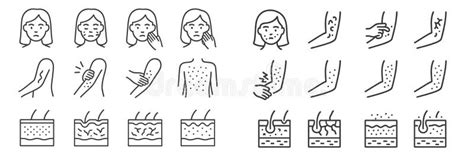
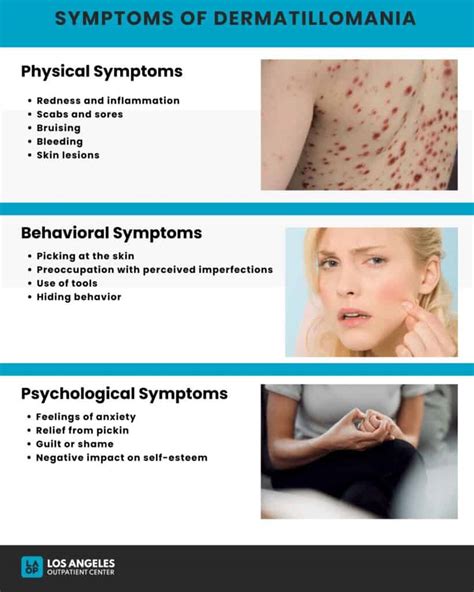
Dermatillomania, or excoriation disorder, involves compulsively picking or scratching the skin, often resulting in injuries, scarring, or lesions. This behavior can be automatic, with individuals not realizing they are doing it, or they may be aware but unable to stop.
The picking often focuses on perceived flaws such as pimples, scabs, or rough patches of skin. The act of picking can create new wounds or reopen old ones, leading to bleeding and potential scarring. In severe cases, extensive skin damage may require medical intervention like skin grafting.
Distinguishing Dermatillomania from OCD
While dermatillomania falls under the umbrella of obsessive-compulsive disorders (OCDs), it has key differences from specific Obsessive-Compulsive Disorder (OCD):
- Obsessions: OCD involves intrusive, unwanted thoughts or urges. These specific obsessions are not typically present in dermatillomania.
- Feeling of Reward: Individuals with dermatillomania often experience a sense of relief or positive emotions when picking their skin, which is not a characteristic of OCD.
- Self-Damage: While OCD rarely involves self-damage, it is extremely common in dermatillomania.
The term "dermatillomania" itself is derived from Greek words: "derma" (skin), "tillo" (pulling or picking), and "mania" (excessive behavior).
Prevalence and Contributing Factors
Dermatillomania is considered uncommon, with estimates suggesting that about 2% of people have it at any given time, and up to 5.4% may experience it at some point in their lives. While historically believed to be more prevalent in women, recent research indicates that approximately 55% of individuals with the condition are women, though women are more likely to seek treatment.
The condition typically begins during puberty but can occur at any age. It is more likely to affect individuals with pre-existing skin conditions like acne or eczema, which can serve as triggers.
The exact causes of skin picking disorder are not fully understood, but experts believe it may result from a combination of:
- Genetics: A family history of skin picking disorder may increase an individual's risk.
- Biology: Differences in brain areas that regulate behavior and habit formation might play a role.
- Psychology: Skin picking disorder is often associated with other mental health conditions such as OCD, depression, anxiety, or body dysmorphic disorder. It can serve as a coping mechanism for stress, boredom, or other emotional symptoms.
When Skin Picking Becomes Self-Harm
While dermatillomania is classified as a BFRB, skin picking can indeed be considered a form of self-harm, particularly when used as a deliberate strategy to cope with emotional distress, manage anxiety, or engage in self-punishment.
Skin picking may be categorized as self-harm when it is:
- Difficult to control.
- Not triggered by a physical health concern (like an itchy rash).
- Repeated and causes visible tissue damage or lesions.
- Associated with significant distress and interference in daily functioning (social, occupational).
- Perceived as difficult or impossible to stop.
It's important to differentiate this from occasional, mild skin picking that many people engage in without significant distress or harm.
Treatment and Management Strategies
Both self-harm and dermatillomania require professional attention and care. Treatment typically focuses on addressing the underlying emotional distress and developing healthier coping mechanisms.
Strategies for Managing Skin Picking:
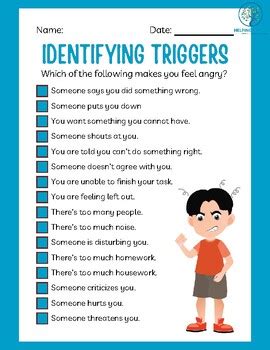
- Identifying Triggers: Recognizing when and where you most commonly pick your skin can help in avoiding triggers or developing alternative responses.
- Keeping Hands Busy: Engaging in activities like writing, drawing, squeezing a stress ball, or crafting can redirect the urge to pick.
- Skin Care: Moisturizing the skin and maintaining a simple skincare routine can reduce irritation. However, it's important to avoid excessive focus on skin imperfections.
- Physical Barriers: Wearing bandages or gloves can serve as a reminder to avoid picking.
- Nail Care: Keeping nails trimmed and neat can minimize the potential for damage.
- Environmental Modifications: Removing tempting tools like tweezers or pins from easy access.
- Consciousness and Resistance: Making yourself aware of the behavior can help in resisting the urge and increasing periods without picking.
- Support Systems: Confiding in a trusted person can provide accountability and gentle reminders.
Professional Treatment Options:
Left untreated, chronic skin picking can be persistent and lead to significant physical and psychological consequences, including infections, scarring, anxiety, depression, and social isolation.
Effective treatments for dermatillomania and self-harm include:
- Cognitive Behavioral Therapy (CBT): Helps in identifying and modifying unhelpful thought and behavior patterns, and developing new coping skills.
- Habit Reversal Training (HRT): Often used with CBT, HRT aims to uncover the underlying reasons for the behavior and establish healthier replacement behaviors.
- Exposure and Ritual Prevention (ERP): An effective therapy for excoriation disorder that involves gradually exposing oneself to triggers while preventing the compulsive behavior.
- Medication: While no medications are specifically approved for skin picking disorder, medications may be prescribed to manage co-occurring conditions like depression or anxiety. Supplements like N-acetylcysteine (NAC) have shown promise in reducing symptoms for some individuals.
A multidisciplinary approach, combining various therapeutic modalities and potentially medication, is often the most effective. For loved ones, understanding and compassion are vital, as telling someone to "just stop" can worsen feelings of shame and isolation.
A bit about Habit Reversal Training (HRT) for BFPAs™
Whether classified as self-harm or a distinct mental health disorder, compulsive skin picking often signals underlying emotional pain that requires clinical attention and support, not judgment. With the right interventions, individuals can regain control, reduce the severity of their behaviors, and work towards sustained wellness.