Your skin tells an important story about your health, and a full body skin exam helps you stay one step ahead. A full body skin exam is a simple, head-to-toe evaluation performed by a dermatologist or advanced practice provider to check for new or changing moles, spots, or growths. These exams are key to detecting skin cancer early, when it is easiest to treat, and can also identify other skin conditions that may need attention.
What is a Full Body Skin Exam?
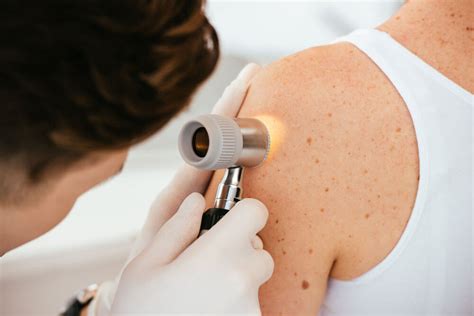
A full body exam, also known as a skin cancer screening or Total Body Skin Exam (TBSE), is a thorough visual inspection of your skin from head to toe. This evaluation is conducted by a dermatologist or an advanced practice provider to identify suspicious spots, new growths, or changes in existing moles that could indicate skin cancer or other skin conditions.
While primary care doctors may check your skin during a general visit, full body exams performed by a dermatologist are more detailed and specialized. Dermatologists are trained to detect skin cancer, which affects millions of people worldwide. Early detection is crucial, as most skin cancers are highly treatable when caught in their initial stages.
Why Are Full Body Skin Exams Important?
The importance of Total Body Skin Exams (TBSEs) cannot be overstated in dermatological care. These comprehensive examinations play a pivotal role in the early detection of skin issues, helping to prevent the progression of potential concerns and ensuring timely intervention. TBSEs are instrumental in the early detection of skin cancers, including melanoma, the deadliest form of skin cancer.
Regular TBSEs allow dermatology providers to monitor changes in your skin over time. Your provider will assess your individual risk factors, such as family history, skin type, and sun exposure habits. Proactive skin health management empowers you to take control of your well-being.
Key Benefits of Full Body Skin Exams:
- Early Detection of Skin Cancer: Identifies skin cancers, including melanoma, at their earliest and most treatable stages.
- Identification of Other Skin Conditions: Can reveal other dermatological issues that may require attention.
- Monitoring of Moles and Lesions: Tracks changes in moles and other skin growths over time.
- Risk Assessment: Helps providers understand your personal risk factors for skin cancer.
- Peace of Mind: Provides reassurance about your skin's health.
Who Should Get a Full Body Skin Exam?
Anyone can benefit from a full body skin exam. However, it is especially important for individuals with a higher risk of skin cancer. Experts recommend at least an annual skin screening for those who fall into the following categories:
- Individuals with a history of melanoma, other skin cancers, or precancerous skin lesions.
- Those with a first-degree relative (parents, siblings, children) who has or had melanoma.
- People with a large number of moles or a history of atypical or abnormal moles.
- Individuals with a history of tanning bed use.
- Those with a history of blistering sunburns.
- People with a history of significant regular sun exposure (e.g., through outdoor activities, living in sunny locations, or outdoor occupations).
- Organ transplant recipients.
Overall, an annual exam is recommended for all adults. If you've never had one, establishing a baseline with a healthcare provider is essential for discussing appropriate screening frequency.
What to Expect During a Full Body Skin Exam
During a full body skin exam, your dermatology provider will conduct a comprehensive visual inspection of your skin, encompassing all areas from head to toe. Special emphasis will be placed on high-risk areas, including the face, neck, ears, hands, and feet, as these regions are more susceptible to sun exposure.
The entire process typically takes about 10-15 minutes. Before the examination begins, you will likely be asked to change into a medical gown or a disposable paper smock. You may be asked to remove your bra, but you can usually keep your underwear on unless there is a specific concern in that area.
To get a closer look at certain spots, your doctor may use a handheld magnifying tool called a dermatoscope. This non-invasive technique allows for the magnification of the skin's surface, enabling a closer inspection and identifying subtle changes that may not be readily visible to the naked eye.
Preparing for Your Exam:
To make the exam as efficient as possible, consider the following preparations:
- Check your own skin beforehand and make a note of any new, changing, or unusual spots you would like the doctor to examine.
- Remove all makeup.
- Remove any bandages, braces, or other items that may be covering the skin.
- Remove nail polish.
- Keep your hair loose.
- Avoid wearing jewelry.
What Happens If Something Suspicious is Found?
If your dermatologist finds a spot that appears potentially cancerous or pre-cancerous, they may recommend a closer look or a biopsy. A biopsy is a quick and simple procedure typically performed in the office.
During a biopsy, the area will be numbed with a local anesthetic, and a small sample of skin will be removed to be sent to a lab for testing. You may leave with a small bandage and some care instructions. Most people experience little to no pain afterward, and results are usually available within a few days.
If the biopsy reveals anything that requires further care, your provider will discuss the next steps with you. These typically include skin cancer treatment and a follow-up appointment.
Skin Self-Exams: A Crucial Complement
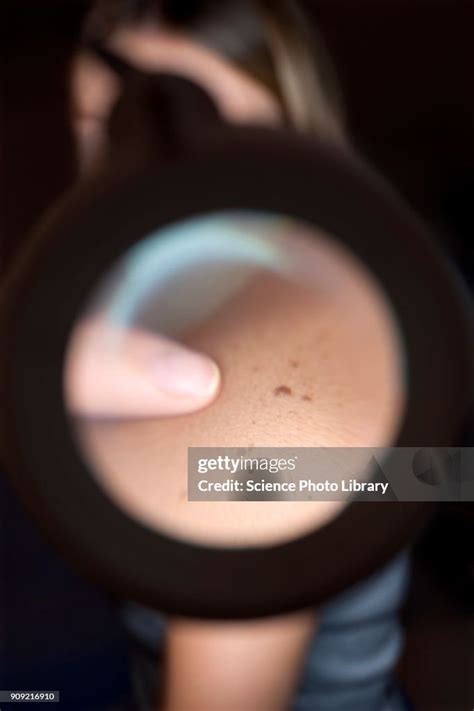
While professional skin cancer screenings are vital, performing regular skin self-exams at home is also highly recommended. You know your body best, and regular self-monitoring can help you identify changes between your professional checkups.
The American Academy of Dermatology (AAD) recommends performing a skin self-exam once a month. The best time to check your skin is after a bath or shower when your skin is clean and dry.
How to Perform a Skin Self-Exam:
- Check your face: Look at your face, including your nose, lips, mouth, and ears (front and back).
- Examine your scalp: Use a comb or hairdryer to move your hair around and check your entire scalp. If you have short hair, use a hand mirror.
- Inspect your hands: Check the palms of your hands, the backs of your hands, and between your fingers.
- Examine your arms and legs: Check the front and back of your arms and legs, as well as your hands and feet.
- Check your torso: Look at your chest and abdomen. For women, check under the breasts.
- Inspect your back and buttocks: Use a full-length mirror to check your entire back, including your neck and shoulders. Then, use a hand mirror to examine your buttocks and the back of your thighs.
- Check your genital area: Use a hand mirror to examine your genital area and the area between your buttocks.
When looking for possible skin cancers, pay attention to any new spots, moles that have changed in size, shape, or color, or areas that are dry, scaly, or don't heal. If you notice anything concerning, take close-up photos of the area every few days if you cannot see a doctor immediately.
How to Conduct a Self Exam for Skin Cancer
Key Warning Signs (ABCDEs of Melanoma)
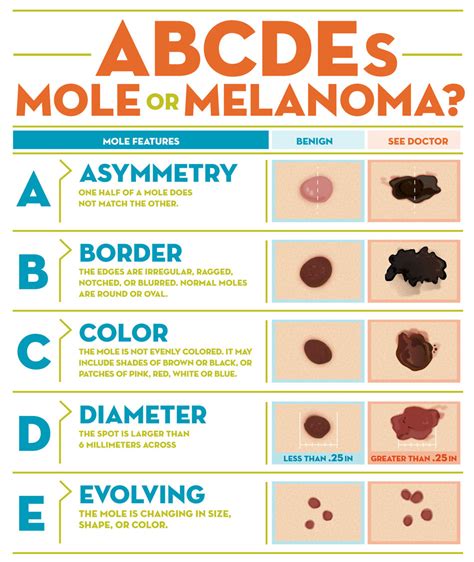
When examining moles or spots, it's helpful to remember the ABCDEs of melanoma, a guide to help identify potentially cancerous lesions:
- A - Asymmetry: One half of the mole does not match the other half.
- B - Border: The edges are irregular, ragged, notched, blurred, or poorly defined.
- C - Color: The color is not uniform and may include different shades of brown or black, or sometimes patches of pink, red, white, or blue.
- D - Diameter: Melanomas are often, but not always, larger than 6 millimeters (about the size of a pencil eraser) when diagnosed.
- E - Evolving: The mole is changing in size, shape, color, or elevation, or has other new symptoms such as bleeding, itching, or crusting.
It's important to remember that not all skin cancers look the same, and these are not the only ways skin cancer can appear. Any new or changing spot on your skin warrants attention.