Somewhere between an obsession with acid toners and the realization that I had to give up Retin-A due to non-stop peeling, I found myself searching for a new cosmetic trend to try. My 29-year-old face-still battling occasional breakouts and the beginnings of wrinkles-needed a boost. Then, this past summer, I saw a YouTube video in which a beauty blogger claimed that LED light therapy changed her skin (and her life).
The Origins and Science Behind LED Light Therapy
LED light therapy, or light-emitting diode therapy, started as NASA technology. LEDs release energy in the form of photons and can emit different wavelengths corresponding with specific colors. In the early 1990s, a NASA-sponsored research center helped develop the technology to allow for plant growth on shuttle missions. This technique, they found, could also help heal wounds on human skin.
This progressed as a way to help with wound healing after other cosmetic procedures, says Murad Alam, professor and vice chair of the dermatology department at Northwestern University’s Feinberg School of Medicine. “And then there was a feeling that even if you hadn’t had cosmetic surgery, it might help,” he says. Since then, LED light therapy has become a treatment for certain cancers and precancers when used in combination with a special drug, chronic pain, and even hair loss. But the area that interested me was its use as an aesthetic treatment for acne and signs of aging.
How Blue Light Therapy Works for Acne
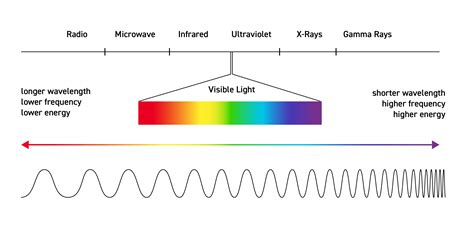
Whether at a dermatologist’s office, the spa, or using one of the many at-home devices now on the market, the light is placed either directly on or close to the skin for anywhere between 10 to 30 minutes a day. With the help of infrared light, red, and blue light (and there’s growing evidence that green and other colors may also have uses) penetrate into the tissue to stimulate basic energy processes in a cell’s mitochondria, Alam explains. This speeds up the rate of cell reproduction.
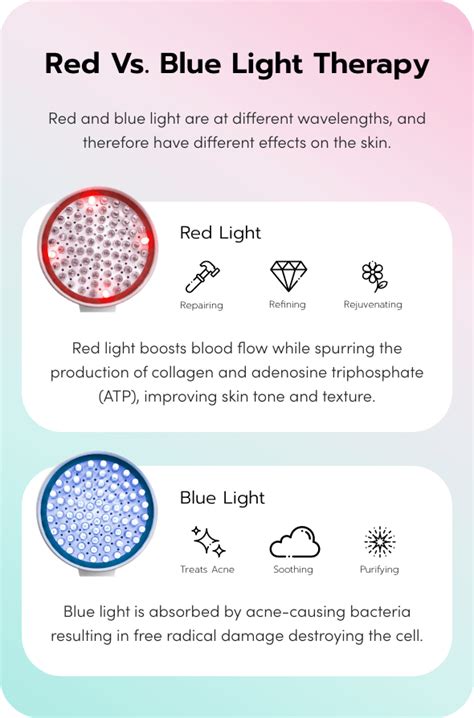
Specifically, blue light kills an acne-causing bacteria called Propionibacterium acnes (it won’t help with other forms of acne). Blue light penetrates your skin to target and destroy acne-causing bacteria without damaging the skin’s surface. It helps reduce inflammation, calm active breakouts, and prevent future ones. Blue light is a high-intensity blue-violet light that activates these porphyrins and starts a chemical reaction that produces peroxide. This naturally produced peroxide is what destroys the P. acnes.
Acne begins when pores become clogged, leading to a build-up of P. acnes bacteria, which causes inflammation. P. acnes bacteria produce compounds called porphyrins. These porphyrins absorb the energy from the blue light when skin is exposed. These porphyrins then undergo a chemical reaction that produces peroxide which destroys the P. acnes.
During a blue light treatment, you will be exposed to high-intensity light for a short session. The light causes the acne bacteria to “self-destruct” without affecting the surrounding skin. Blue light therapy has gained popularity among dermatology providers and patients alike as a gentle yet effective option because of its ability to destroy bacteria.
Blue Light FIGHTS Acne!
Red Light Therapy and Its Role
Red light stimulates collagen, and research also supports that red LEDs improve the appearance of wrinkles. In a newly published study, red light is also proving to be effective to treat rosacea in combination with a topical treatment.
In addition to blue light therapy, red light therapy is another promising treatment for stubborn acne and chronic skin conditions like rosacea. The therapy involves using red light in the wavelength range of 620-750 nm to penetrate deep into the skin and underlying tissues. Red light therapy stimulates fibroblasts to produce collagen and elastin, which are essential for maintaining skin structure, strength, and elasticity. This helps in treating active acne, as well as helps improve the appearance of acne scars. Red light therapy offers a unique approach to treating acne.
Personal Experiences and Before & After Results
Thanks to that YouTube video, and armed with some basic knowledge of how it worked, I splurged on a $1,600 at-home Celluma LED light panel a few months ago (don’t judge me!) in hopes of getting better skin. My device is a panel that can be placed anywhere on the body and has three modes (and light colors): acne, anti-aging, and pain. Four to five times a week, I place the curved, mask-like device over my face for 30 minutes. What convinced me to drop this kind of money? I wanted something I could do at home, and it seems to be more than one of those gimmicky wellness trends.
In clinical trial after clinical trial, researchers have found that blue light significantly improves acne. In a 2005 study, for example, patients who were treated with blue light twice a week for a month saw a reduction in inflammatory acne lesions at the one-, four- and eight-week marks after the treatment by 25 percent, 53 percent, and 60 percent respectively.
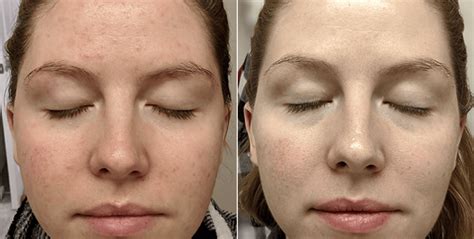
My personal transformation using blue light therapy! 🤩 I know my skin is not the worst case scenario but if you’re struggling with mild acne, breakouts or skin texture issues, this could be the game-changer for you. I’ve been using blue light therapy as part of my routine for a while now and I’m happy to share these before and after pics from when my skin was constantly breaking out!
After: Clearer, smoother skin and fewer breakouts 💯 and my skin texture is a lot better.
Individual Testimonials and Device Reviews
My experience: I used it 3 times a week for about a month. Everyone's skin is different, so I can't say this protocol would work for you, but it's what helped me. I saw my breakouts had reduced, and the spot scabs started reducing and flaked off after a while and didn't leave me with any pigmentation. I have now moved on to using the red light therapy for general skin health and anti-aging.🌈 Results: Fewer breakouts, Less redness, Clearer, more radiant skin, More hydrated skin.
If you’re struggling with mild acne or just want clearer skin and smoother texture, I highly recommend giving blue light therapy a try. It's been a total game-changer for me!
Danni - FOREO ESPADA Blue Light Acne Treatment: What type of acne do you have and how long have you had it? Since being a teenager I have suffered with breakouts especially around my chin and cheeks - these can range from smaller blemishes/whiteheads to larger under the skin spots which can be quite painful. I also have fairly sensitive skin with dry patches so I find it difficult to use ‘acne’ targeted skincare products as I find they sometimes dry out my skin. How has using blue light treatment affected your acne? I have absolutely loved using this FOREO blue light device - I found it super easy to use and loved that it came with a handy travel bag too! I have used the device on both smaller blemishes and under the skin spots and found it to be really effective. It definitely reduced the size of the spots and helped them to heal much faster. I find this works particularly well for under the skin spots - I tend to use it when you can first feel them start to form. The blue light device seems to work best here and makes them so much less painful and less noticeable. Before, these type of spots would take up to 2 weeks to fully heal however after using the FOREO ESPADA I found they never really fully formed as a painful bump and completely cleared within 3 days!
Sophie - Talika Free Skin Anti-Blemish Device: What type of acne do you have and how long have you had it? I’ve never struggled with acne before until I started to wear a face mask, and that’s when I began getting maskne on my cheeks and chin. I’ve been getting these spots for about 6 months now since the start of 2021. How did you use your device? Each time you press the button the device lights up for 2 minutes. As recommended by the brand each day on every breakout I would do 3 x 2-minute sessions holding the device on the affected area. From the first week I began using the device my spots already felt calmer and less inflamed. On week 2 I had a painful under the skin spot after wearing my mask for a prolonged period, so I used the device to kill the nasty bacteria and ultimately calm down the spot, making it go away faster. How has using blue light treatment affected your acne? Not only has the device helped banish my blemishes faster, but it’s also helped to prevent more breakouts as the blue light helps kill bacteria on the skin that causes acne and red light boosts collagen and radiance.
Ellie - FOREO UFO 2: What type of acne do you have and how long have you had it? I’ve suffered with severe hormonal acne since I was around 13. After trying several different forms of medication I’ve finally find one to calm my blemishes but still experience bad breakouts, mostly getting spots on cheeks, chin and jawline. How has using blue light treatment affected your acne? Using the blue light device has completely helped me control my acne. I’d get a new breakout each week especially after wearing a mask and after using the tool the redness and inflammation went down straight away. It also really helped with my stubborn texture which I didn’t expect! Using it frequently has not only helped combat my blemishes but acne scarring as well.
Treatment Protocols and Expectations
Most acne patients see a decrease in the number and severity of acne blemishes and lesions within a month of twice-weekly treatments. Blue Light gently goes to work to reduce your acne. “By incorporating a non-aggressive therapy such as the Blue Light and specific recommended topical products, most moderate acne will calm down and respond to treatment.” Omnilux revive and Omnilux blue have been cleared for the treatment of mild to moderate acne vulgaris. Though the inflammation will be gone for the majority of patients at the end of the treatment series, you may experience a redness, where the inflamed blemish was located. This redness will dissipate over time.
Blue Light is designed to treat only inflamed mild to moderate acne blemishes. Blue Light won't clear cystic and/or nodular acne or comedones. If you experience severe acne, maintenance treatments may be required to keep the clearing at an optimum level. Acne is not a medically “curable” condition, but it is one that can be controlled and managed.
Blue light therapy offers a non-invasive alternative to more aggressive acne treatments like oral antibiotics or isotretinoin (Accutane). For years, excess oil had been clogging the client’s pores and leading to breakouts. The painful, red cysts that had plagued the client’s skin for years were noticeably calmer. Blue light therapy is primarily used to target active acne, but it can also assist with the healing process that follows.
A typical protocol may involve alternating between blue and red light therapy sessions or using them simultaneously during the same treatment. For example, you may undergo a series of treatments that include blue light therapy for 15-20 minutes to target acne-causing bacteria and then a short break. Combining blue and red light therapy has shown promising results in clinical studies.
During the session, which typically lasts 15 to 30 minutes, patients lie down or place their heads in a specialized device to keep them still. A photosynthesizing agent called aminolevulinic acid (ALA) is applied to the skin of those receiving blue light therapy. A trained professional then applies light pulses to acne-prone skin areas.
Patients often notice their skin looks calmer, clearer, and less inflamed within a few sessions. The blue light therapy before and after difference becomes more noticeable as treatments continue, breakouts reduce, pores appear smaller, and the skin tone evens out. Beyond acne control, blue light may also support collagen renewal and smoother texture, which contributes to its reputation as a blue light therapy for anti-aging option. While it is not a replacement for other rejuvenating treatments, it does help improve the skin’s overall health and radiance. Results vary depending on the frequency of sessions, skincare habits, and individual skin type. Consistency is key, and professional guidance ensures that the treatment remains safe and effective.
Post-Treatment Care and Skincare Routine
What comes next after blue light therapy? Treatments like this can bring visible improvements in breakouts, oil control, and skin clarity, but what you do afterward can make all the difference. The right post-treatment routine helps maintain those results while keeping your skin comfortable, balanced, and radiant.
The First 24 Hours: Keep It Simple and Gentle
- Cleanser: Use a mild, fragrance-free cleanser to remove impurities without stripping the skin. Avoid foaming or medicated cleansers during this time.
- Moisturizer: Apply a lightweight, non-comedogenic moisturizer to lock in moisture. Look for ingredients like glycerin or ceramides that reinforce your skin barrier.
- Sunscreen: Even though you may feel tempted to skip it, sunscreen is crucial after light-based treatments. Choose a broad-spectrum SPF 30 or higher with zinc oxide or titanium dioxide. Your skin may not be irritated, but it’s more responsive than usual. Gentle care helps calm the surface while protecting it from environmental stressors.
The Following Days: Rebuild and Restore
Within two to three days, your skin should start feeling normal again, smooth, hydrated, and less inflamed. This is the ideal time to shift from calming mode to rebuilding your routine. Continue with gentle cleansing and moisturizing, but you can slowly reintroduce your usual acne-fighting ingredients. Start with milder concentrations of products containing salicylic acid or niacinamide before returning to stronger formulations. At this stage, aim to support your barrier with ceramide-rich creams or serums. Include a hydrating toner or essence if your skin feels tight. Avoid scrubs or chemical peels for at least five to seven days. This balanced approach helps sustain the positive blue light therapy before and after the results you’re hoping to see.
Long-Term Skincare Maintenance
- Stay consistent with sunscreen. Exposure to UV rays can counteract the clarity and smoothness you achieved from treatment.
- Keep your skin hydrated. Proper hydration improves texture and helps reduce post-inflammatory marks.
- Use calming products. Ingredients like niacinamide, green tea extract, or panthenol are gentle yet effective for soothing redness.
- Do not skip follow-up treatments. Most patients benefit from a series of blue light sessions spaced out over several weeks to maintain acne control.
These small but steady steps make your skin less reactive and more resilient over time.
Combining Blue Light Therapy with Other Treatments
Yes, blue light therapy can be safely combined with other acne treatments, including chemical peels, topical retinoids, and oral medications. However, timing is everything. While blue light therapy for anti-aging is increasingly popular, combining it with other cosmetic procedures should be planned under professional guidance. Treatments like chemical peels, microneedling, or laser resurfacing can complement blue light sessions, but it’s best to wait until your skin is fully recovered from one procedure before starting another.
Common Skincare Mistakes to Avoid After Blue Light Therapy:
- Using strong actives too soon. Retinoids, alpha hydroxy acids, and benzoyl peroxide can be too harsh right after treatment.
- Skipping sunscreen. Post-treatment skin is especially vulnerable to UV rays.
- Over-cleansing. Washing your face more than twice a day can strip essential oils and cause dryness.
- Picking or exfoliating. Give your skin time to heal naturally to prevent redness or scarring.
By avoiding these mistakes, you give your skin the best chance to fully benefit from its rejuvenation phase.
Benefits and Considerations
One benefit is that there are no serious side effects. “We’re not really worried it’s going to cause harm to people,” Alam says. Another consideration is that LED light therapy needs to be an ongoing, several-times-a-week treatment to achieve the best results. This is why I felt like that my pricey at-home device, which is used in medical offices and spas, was my best bet.
Blue light therapy offers a non-invasive approach to managing breakouts, targeting the root causes of acne with different wavelengths of light. It is free from UV rays and doesn’t increase the risk of skin cancer or skin aging. Blue light therapy has gained popularity among dermatology providers and patients alike as a gentle yet effective option because of its ability to destroy bacteria.
Blue light therapy can be a game-changer for mild acne, breakouts, or skin texture issues. It offers a semi-permanent solution for clearing skin. While it’s not a replacement for other rejuvenating treatments, it does help improve the skin’s overall health and radiance.