Burt's Bees lip balm is a popular choice for lip care, known for its natural ingredients and effectiveness. This article delves into the key components found in Burt's Bees lip balm and their associated benefits for your lips.
Key Ingredients and Their Functions
Burt's Bees lip balms often feature a blend of natural waxes, oils, and extracts, carefully selected for their nourishing and protective properties. Let's explore some of the most common ingredients:
Beeswax
Beeswax is a natural material produced by honey bees to build their honeycomb. It is characterized by its yellow, solid form, familiar from beeswax candles. In skincare, beeswax serves as an emollient, helping to soften and smooth the skin, and as a thickening agent, giving balms their desired consistency.

Coconut Oil
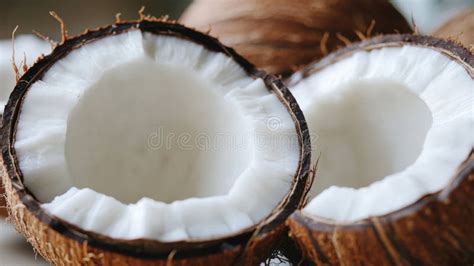
Coconut oil has gained significant popularity in both the health and beauty sectors. Chemically, it possesses a unique fatty acid profile, being predominantly saturated, with Lauric Acid being its most important fatty acid (around 50%). Unlike many plant oils with unsaturated fatty acids, coconut oil's saturated fatty acids have a linear structure that allows them to stack tightly, making it solid at room temperature.
Coconut oil melts around 25°C (77°F), meaning it is solid in its container but melts upon contact with the skin. Its saturated nature makes it a heavy-duty oil, ideal for dry skin types. Research has confirmed that extra virgin coconut oil is as effective as mineral oil in treating xerosis (very dry skin). Furthermore, studies suggest it is more effective than mineral oil in managing mild to moderate atopic dermatitis (eczema) in children.
Regarding acne-prone skin, while Lauric Acid shows promise against acne-causing bacteria (P. acnes), both Lauric Acid and coconut oil have a high comedogenic rating (4 out of 5). This means there is a potential for clogged pores, and user experiences are mixed. Some find it beneficial for acne, while others report breakouts and blackheads. It is recommended to try it at your own risk.
For hair care, coconut oil is well-researched for its ability to penetrate the hair shaft, preventing protein loss and reducing combing damage. It can be a beneficial pre- or post-wash treatment for damaged hair and split ends.
Sunflower Oil
Sunflower oil, extracted from sunflower seeds, has a long history of use, dating back over 5000 years. It is a great emollient that smooths and hydrates the skin, while also protecting the skin's surface and enhancing the damaged or irritated skin barrier. Sunflower oil is rich in fatty acids, primarily linoleic acid (50-74%) and oleic acid (14-35%). The unrefined version is particularly high in linoleic acid, making it suitable even for acne-prone skin.
Peppermint Oil
Peppermint oil is derived from the steam distillation of peppermint sprigs. Its major component, menthol, provides its characteristic refreshing and cooling properties. While it offers a pleasant scent and sensation, it can also act as a skin irritant. It is sometimes used as a counterirritant for muscle pain, creating mild surface irritation to affect deeper layers.
Rosemary Extract
Rosemary extract is derived from the rosemary herb and contains various beneficial compounds, including flavonoids, phenolic acids, and diterpenes. Its main active component is rosmarinic acid, which is a potent antioxidant and anti-inflammatory agent.
Soybean Oil
Soybean oil is an emollient plant oil known for its moisturizing properties. It is considered a cost-effective base oil and is rich in linoleic acid (48-59%), which is beneficial for barrier repair, making it a good moisturizing oil.
Limonene
Limonene is a common and inexpensive fragrance ingredient found naturally in many plants, including citrus peels, rosemary, and lavender. While it provides a pleasant scent, limonene oxidizes upon exposure to air, and the resulting compounds can cause allergic contact dermatitis, making it a frequent skin sensitizer. It can also act as a penetration enhancer for oil-loving components. For sensitive skin, the potential downsides of limonene may outweigh its benefits.
Linalool
Linalool is another widely used fragrance ingredient found in numerous plants and cosmetic products. Similar to limonene, linalool oxidizes when exposed to air, potentially becoming allergenic. Products containing linalool that have been opened for an extended period are more likely to cause allergic reactions. Studies have indicated that a percentage of individuals may exhibit positive allergic responses to oxidized linalool.
Tocopherol (Vitamin E)
Tocopherol, also known as Pure Vitamin E, is a powerful antioxidant that offers significant photoprotection against UVB rays. It works synergistically with Vitamin C to enhance its protective effects on the skin.
Benefits for Lip Care
The combination of these ingredients in Burt's Bees lip balm offers several benefits for lip health:
- Moisturization: Ingredients like beeswax, coconut oil, and sunflower oil provide excellent emollient properties, keeping lips soft and hydrated.
- Protection: Beeswax forms a protective barrier on the lips, shielding them from environmental factors. Tocopherol (Vitamin E) offers antioxidant protection.
- Soothing: The natural oils and extracts can help soothe dry, chapped, or irritated lips.
- Nourishment: Fatty acids found in oils like sunflower and soybean oil contribute to maintaining healthy skin structure.