Water is the most common cosmetic ingredient, typically listed first due to its high concentration. It is essential for life and is purified and deionized in cosmetics, meaning mineral ions are removed.
Key Ingredients and Their Benefits
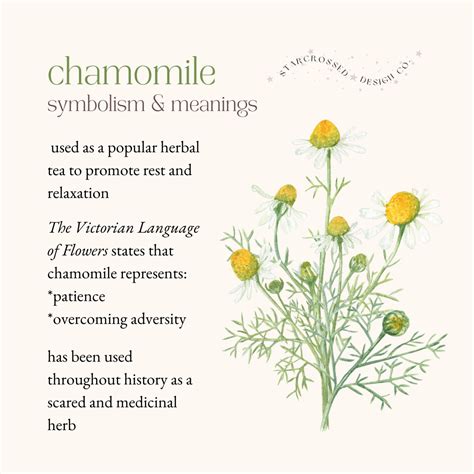
Chamomilla Recutita Flower Extract (Chamomile)
Chamomilla Recutita Flower Extract is derived from the Chamomile flower. This ingredient is rich in antioxidants and possesses anti-inflammatory properties. The antioxidants in chamomile help combat free-radical molecules, which can damage the skin, thereby contributing to slowing the signs of aging. Furthermore, essential oils from chamomile have demonstrated antimicrobial properties that aid in wound healing. Historically, ancient Greeks and Egyptians utilized chamomile to address skin redness and dryness.
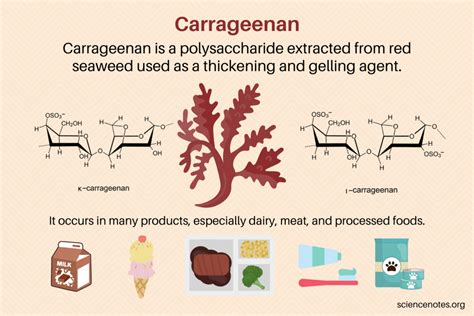
Carrageenan
Carrageenan is extracted from red seaweed or algae and is composed of polysaccharides. The cell walls of red algae are particularly rich in this compound. In cosmetic formulations, carrageenan acts as a thickener, improving the product's texture. Research indicates that carrageenan derived from red algae exhibits antioxidant properties. Its components include lipids, fatty acids, Vitamin E, proteins, and various amino acids. Carrageenan also serves as a vegan alternative to animal-based gelatin and finds applications in both the medical and food industries.
Calendula Officinalis Flower Extract (Marigold)
This extract originates from the common garden plant Calendula, also known as Marigold. According to manufacturer information, it has been used for centuries for its remarkable healing powers, proving especially effective in treating wounds.
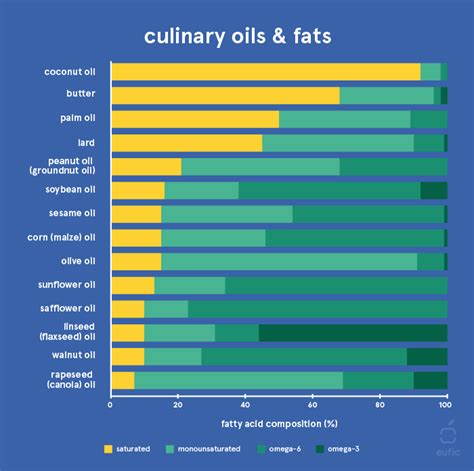
Helianthus Annuus (Sunflower) Seed Oil
Sunflower oil, expressed directly from its seeds, has been used for thousands of years. Evidence suggests American Indians in Arizona and New Mexico used the plant and its oil as early as 3000 BC. As an emollient, sunflower oil contributes to making the skin smooth and pleasant to the touch, while also helping to maintain skin hydration. It forms a protective barrier on the skin's surface, aiding in the repair of damaged or irritated skin barriers. Sunflower oil is abundant in fatty acids, primarily linoleic acid (50-74%) and oleic acid (14-35%). The unrefined version is particularly high in linoleic acid, which is beneficial even for acne-prone skin.
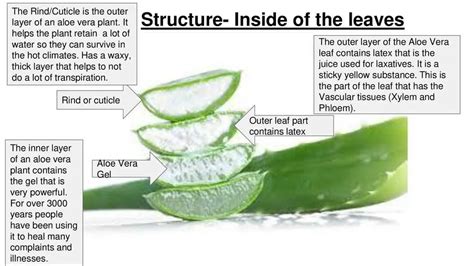
Aloe Barbadensis Leaf Juice (Aloe Vera)
Aloe Vera is recognized for its beneficial properties, although some experts caution that its effects may be somewhat overhyped, with much of the evidence being anecdotal. However, research does confirm that Aloe Vera is an excellent moisturizer. It contains several anti-inflammatory components, including salicylates, polysaccharides, magnesium lactate, and C-glucosyl chromone. Additionally, it possesses some antibacterial properties and supports wound healing and overall skin regeneration.
Tocopherol (Vitamin E)
Tocopherol, commonly known as Vitamin E, is a potent antioxidant that offers significant photoprotection against UVB rays. It works synergistically with Vitamin C. In cosmetic formulations, it acts as a preservative, helping to prevent product degradation.
Potassium Sorbate
Potassium Sorbate functions as a preservative, helping to extend the shelf life of products. It is pH-dependent, performing optimally at acidic pH levels (3-5). It breaks down into its active form, sorbic acid, in the presence of water and the correct pH. For effective preservation, it is often used in conjunction with other preservatives. Potassium sorbate is also approved as a food preservative (E202).
Citric Acid
Citric acid, derived from citrus fruits, is an Alpha Hydroxy Acid (AHA). While it has exfoliating properties, studies suggest it may possess fewer skin-improving benefits compared to glycolic or lactic acid.
Fragrance
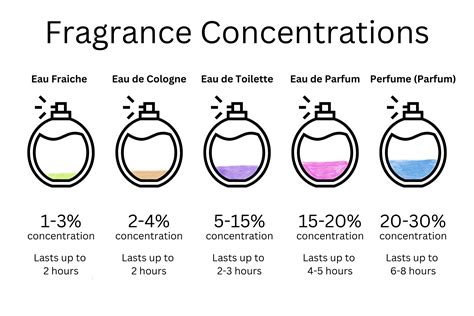
Fragrance refers to ingredients added to impart or mask a scent in cosmetic products. It's important to note that the term "aroma" in INCI (International Nomenclature of Cosmetic Ingredients) labeling is associated with flavor rather than smell. Due to regulatory differences, some companies may use "aroma" in place of "parfum." For individuals with sensitive skin, fragrance can be a common cause of contact allergies. The exact composition of fragrance ingredients is often proprietary, making it difficult to ascertain their precise nature.
Other Beneficial Ingredients
- Co-surfactants: Ingredients like those derived from coconut oil act as mild thickening and foam-boosting agents.
- Emollients: Such as esters derived from shea butter, these ingredients help to soften and smooth the skin.
- Preservatives: Besides Potassium Sorbate and Tocopherol, other preservatives may be included to protect against mold and yeast.
What are Preservatives and what are their importance in cosmetics
tags: #honey #pot #moisturizer