Experiencing an unpleasant odor, such as that of rotten eggs, after using a dandruff shampoo can be concerning. This phenomenon is often linked to the active ingredients used in these specialized hair care products. While many dandruff shampoos rely on zinc pyrithione (ZPT), some, like the Clinical Strength version of Head and Shoulders in the dark blue bottle, utilize selenium sulfide.
The Role of Selenium Sulfide
Selenium sulfide is a topical medicine primarily used to alleviate the symptoms associated with dandruff and seborrheic dermatitis, such as flaking and itching. It also finds application in treating the fungal skin condition known as tinea versicolor.
Mechanism of Action
The effectiveness of selenium sulfide stems from its ability to slow down the growth of skin cells on the surface of the scalp and within hair follicles. This action helps to reduce the excessive shedding and irritation characteristic of dandruff and seborrheic dermatitis.
The "Rotten Egg" Odor
The distinct "rotten egg" smell associated with some dandruff shampoos is a characteristic of selenium sulfide. As a sulfur-containing compound, selenium sulfide can leave a residual sulfur odor that is reminiscent of rotten eggs. This odor is a consequence of the chemical properties of the ingredient itself.
Product Variations and Ingredients
The choice of active ingredient can significantly influence both the efficacy and the scent profile of a dandruff shampoo. While zinc pyrithione is a common and effective agent, selenium sulfide offers an alternative mechanism for controlling dandruff symptoms. The Clinical Strength Head and Shoulders, for instance, employs selenium sulfide, which explains the potential for the sulfurous odor.
Common Dandruff Shampoo Ingredients
- Zinc Pyrithione (ZPT): A widely used active ingredient known for its antifungal and antibacterial properties.
- Selenium Sulfide: Works by reducing the production of skin cells and possesses antifungal properties.
Usage and Storage of Selenium Sulfide Products
When using products containing selenium sulfide, adherence to instructions is crucial for both effectiveness and minimizing potential side effects. It is important to allow the product to sit on the scalp for a specified duration before rinsing thoroughly.
Storage Recommendations
Selenium sulfide should be stored at room temperature, typically between 68°F and 77°F (20°C to 25°C). While it can tolerate temperatures between 59°F and 86°F (15°C to 30°C) for short periods, it should not be frozen or exposed to excessive heat.
Dosage Forms and Strengths
Selenium sulfide is available in various forms and concentrations, including:
- Shampoos: 1%, 2.25%, 2.3%
- Lotions: 2.5%
Specific product lines, such as Selsun Blue, offer different formulations, including:
- Selsun Blue 2-in-1
- Selsun Blue Medicated
- Selsun Blue Moisturizing
- Selsun Blue Normal to Oily
Potential Side Effects and Precautions
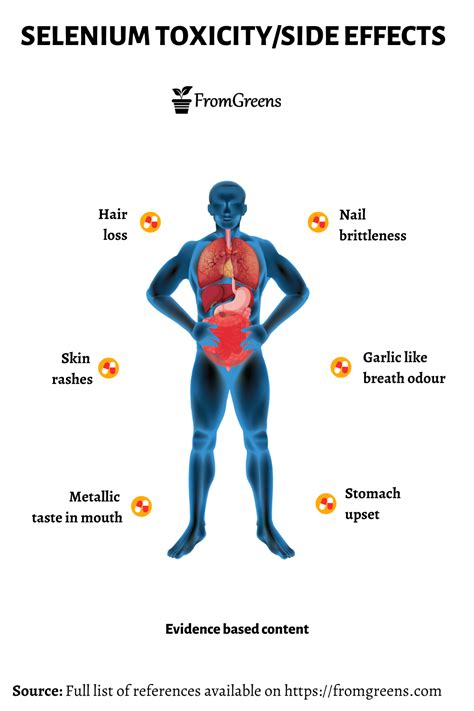
Like any medication, selenium sulfide can cause side effects. It's important to be aware of these and to consult a healthcare provider if they occur.
Common Side Effects
- Skin irritation
- Hair loss
- Discoloration of hair
- Oily or dry hair or scalp
Serious Side Effects
Although less common, serious side effects can occur, including severe allergic reactions. Symptoms may include:
- Breathing difficulties or wheezing
- Rapid heart rate
- Fever or general malaise
- Swollen lymph nodes
- Swelling of the face, lips, mouth, tongue, or throat
- Difficulty swallowing or throat tightness
- Hives (itching, skin rash, or pale red bumps)
- Nausea or vomiting
- Dizziness, lightheadedness, or fainting
- Stomach cramps
- Joint pain
If any of these symptoms arise, it is essential to stop using the product and seek immediate medical attention.
Warnings and Precautions
- Allergies: Individuals allergic to selenium sulfide or any other ingredient in the product should not use it.
- Prescription Use: Selenium sulfide should generally be used as prescribed by a healthcare provider.
- Sharing: Do not share selenium sulfide products with others, even if they have similar conditions.
- Children: Keep out of reach of children.
- Application: Avoid contact with eyes, lips, and mucous membranes. If contact occurs, rinse thoroughly with water. Do not apply to broken skin or areas that are red, swollen, or leaking fluid.
- Jewelry: Remove jewelry before application, as some products may damage it.
- Rinsing: Rinse thoroughly after use, especially in skin folds or the genital area, to minimize irritation.
- Hand Washing: Wash hands after application.
- Product Darkening: Some selenium sulfide shampoos may darken over time; this is normal and does not affect product efficacy.
- Worsening Condition: Consult a healthcare provider if your condition worsens after using selenium sulfide.
- Rash or Sensitivity: Discontinue use if a rash or skin sensitivity develops.
Interactions and Other Considerations
Regarding interactions, there are no known significant interactions between selenium sulfide and foods or drinks. The effect of alcohol consumption on selenium sulfide efficacy is unknown. Similarly, there are no commonly known drug interactions, but it is always advisable to inform your healthcare provider about all medications, vitamins, and supplements you are using.
Pregnancy and Breastfeeding
The effects of selenium sulfide on pregnancy and breastfed infants are not well-established. Pregnant or breastfeeding individuals should discuss the use of selenium sulfide with their healthcare provider.
FDA Status
It is important to note that the FDA has not found certain forms of this medicine to be safe and effective, and their labels are not approved by the FDA. Information regarding unapproved drugs can be found through official FDA channels.
Head & Shoulders' Approach to Fragrance
Despite the potential for unpleasant odors from active ingredients like selenium sulfide, brands like Head & Shoulders have focused on improving the user experience. Head & Shoulders has developed a Fresh Scent Technology that combines proprietary scalp technology with a water-activated fragrance boost. This technology utilizes a blend of top notes that are released upon contact with water, providing effective dandruff treatment alongside a pleasant scent during showering.
This innovative approach aims to ensure that anti-dandruff shampoos offer not only scalp relief but also an enjoyable fragrance, addressing a common consumer concern that such products might smell unpleasant.