For those familiar with dermatology content, the journey of a pimple from a subtle beginning to a visible breakout is a well-trodden path. Understanding how pimples form and progress through their various stages is key to effective management. A pimple fundamentally originates from a clogged pore, a concept that forms the basis of acne development.
The Genesis of a Pimple: Clogged Pores
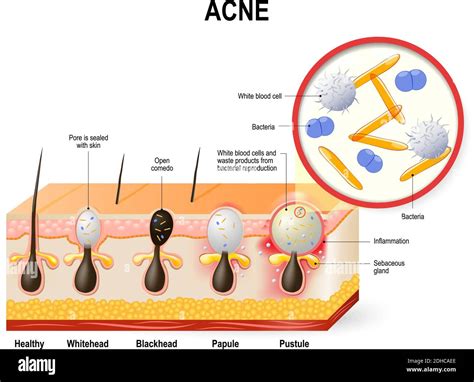
The process begins when the skin produces an excess of oil, known as sebum, from the sebaceous glands. While sebum is essential for maintaining skin hydration and softness, an overproduction, coupled with a lack of regular exfoliation to remove dead skin cells, can lead to a blockage. These two elements, excess oil and dead skin cells, can combine to clog the pores.
Once a pore becomes blocked, it creates an ideal environment for bacteria, specifically Cutibacterium acnes (c.acnes), to proliferate. The presence of these bacteria within the trapped environment triggers a response from the immune system.
Types of Non-Inflammatory Acne: Blackheads and Whiteheads
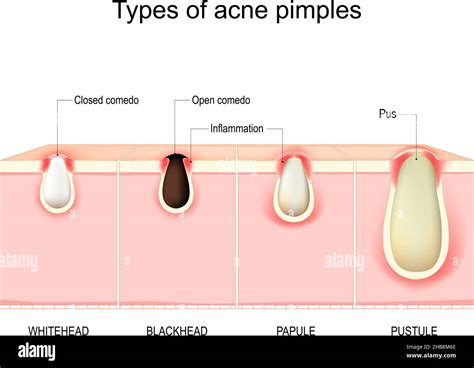
Initially, clogged pores manifest as blackheads and whiteheads, which are classified as non-inflammatory acne. Contrary to popular belief, whiteheads do not contain pus. In whiteheads, the clog remains beneath the skin's surface, maintaining its white appearance. Blackheads, on the other hand, are open to the air, which causes the trapped material to oxidize and turn black. Despite their appearance, blackheads are not caused by dirt. Both blackheads and whiteheads can persist for extended periods if left untreated.
The Inflammatory Response: From Clog to Pimple
When a clogged pore becomes significantly irritated, its walls can break. This rupture signals the immune system to dispatch white blood cells to the site to address the damage. This inflammatory process is what leads to the characteristic redness, swelling, and tenderness associated with pimples. Pimples are, in essence, a normal part of the skin's natural healing response.
Stages of Inflammatory Acne: Papules, Pustules, Nodules, and Cysts
The inflammatory process can result in several types of pimples:
- Papules: These are closed, red bumps that are firm and can be painful to the touch.
- Pustules: Commonly referred to as "zits," pustules are red and inflamed with a visible white head at the center, indicating the presence of pus.
- Cysts and Nodules: These represent the most severe forms of acne. They are essentially larger, more inflamed, and irritated versions of papules and pustules.
Factors Contributing to Acne Breakouts
Several factors can exacerbate acne development:
- Hormonal Fluctuations: Changes in hormone levels, particularly during puberty, menstruation, or pregnancy, can stimulate sebaceous glands to produce excessive oil.
- Stress: Stress triggers the release of cortisol, a hormone that can also increase oil production.
- Diet: While the link is complex, certain dietary factors may influence acne severity in some individuals.
- External Factors: Contaminated surfaces like phone screens or pillowcases can transfer bacteria and irritants to the skin, particularly affecting the cheeks.
Certain facial zones are more prone to breakouts due to a higher concentration of sebaceous glands. The T-zone (forehead, nose, and chin) typically has the most oil-producing glands. Hormonal acne often favors the jawline and chin, especially during periods of stress or hormonal shifts.
The Dangers of Pimple Popping
While the act of popping pimples might be visually compelling in online videos, it is strongly discouraged by dermatologists. Popping disrupts the skin's natural healing process and can have detrimental consequences:
- Increased Inflammation: Squeezing can push bacteria deeper into the skin, intensifying inflammation.
- Tissue Damage: The forceful manipulation can damage surrounding skin tissue.
- Prolonged Healing: These actions can lead to a longer recovery time for the affected area.
- Hyperpigmentation: Dark marks, also known as post-inflammatory hyperpigmentation, can result from popped pimples.
- Scarring: Permanent acne scarring is a significant risk associated with aggressive pimple popping.
Acne: Understanding the Types of Acne and Treatment Options
Effective Acne Management and Treatment
Managing acne involves understanding the skin's response and employing appropriate treatments. Dermatologists often recommend professional extraction for larger or more severe lesions using specialized tools. For those unable to access a dermatologist, patience and over-the-counter treatments are advised.
Key Ingredients for Acne Treatment
Several ingredients are highly effective in managing acne:
- Salicylic Acid: A beta hydroxy acid (BHA) that exfoliates dead skin cells and oil, unclogging pores. It is particularly beneficial for blackheads and whiteheads.
- Benzoyl Peroxide: This ingredient combats acne-causing bacteria and reduces inflammation. It works by releasing oxygen into pores, creating an environment hostile to bacteria, making it effective for red, inflamed, or pustular pimples.
- Niacinamide: A versatile ingredient that reduces inflammation, regulates oil production, and improves skin texture. It is suitable for all skin types, including sensitive skin.
- Retinoids: These vitamin A derivatives accelerate skin cell turnover, preventing dead skin cells from clogging pores. They range in strength from over-the-counter options to prescription-strength formulations like tretinoin.
- Azelaic Acid: Possesses antibacterial and anti-inflammatory properties, making it useful in spot treatments.
- Tea Tree Oil: Known for its ability to dry out pimples and soothe redness, though it must be used with caution.
- Aloe Vera: Offers soothing and anti-inflammatory benefits, reducing redness and swelling without clogging pores.
- Centella Asiatica (Cica): A plant extract recognized for its skin-healing and regenerative properties.
- Vitamin C: Aids in fading acne scars and reducing redness, often found in serums applied after cleansing.
Skincare Practices for Healthy Skin
Maintaining a healthy skin barrier is crucial for preventing and managing acne:
- Moisturization: Contrary to the myth that acne-prone skin should be dried out, proper hydration is essential. Using a lightweight, non-comedogenic moisturizer, such as one containing hyaluronic acid, helps maintain the skin's barrier and prevents compensatory excess oil production.
- Consistency and Moderation: While it's tempting to use numerous acne-fighting products, over-exfoliating or using too many active ingredients can compromise the skin barrier. A consistent skincare routine, even when skin is clear, is beneficial.
- Patience: Effective acne management often requires time and consistent effort. Allowing the skin to heal naturally and adjusting skincare routines as needed are vital components of achieving clear skin.