Choosing to undergo Blepharoplasty, commonly known as eyelid surgery, is a significant decision that impacts both appearance and self-perception. A primary concern for many patients post-surgery is managing eyelid swelling. While a normal and expected part of the healing process, it can cause discomfort and anxiety if one is unsure of what to anticipate.
This guide, drawing on expert insights, aims to provide a thorough understanding of eyelid swelling after Blepharoplasty. It will explain the reasons behind swelling, how daily habits can influence it, and offer practical advice for both immediate post-operative care and the weeks that follow.
The Science Behind Post-Blepharoplasty Swelling
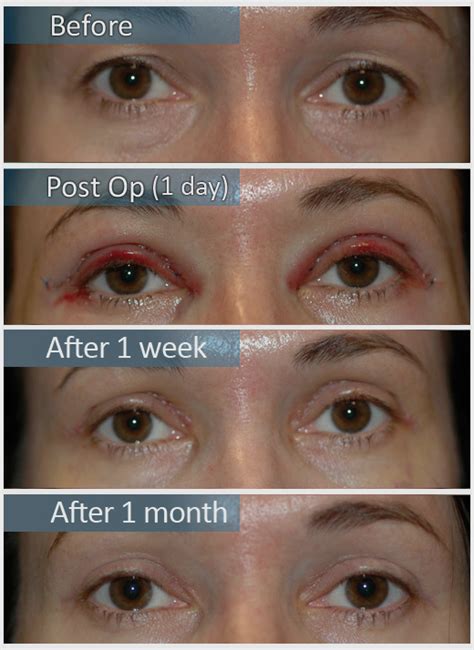
Following Blepharoplasty, experiencing swelling is a natural physiological response. This occurs as the body's natural healing mechanisms direct fluids and white blood cells to the surgical site to initiate tissue repair. The delicate incisions made during the procedure, despite meticulous execution, inevitably cause some degree of tissue trauma. The body's inflammatory response to this trauma leads to swelling, which is a standard component of the healing process and not typically a cause for significant concern.
Normal Swelling Timeline and Progression
The most noticeable swelling is generally observed during the first week after surgery. While a significant reduction in puffiness is common after the initial few days, some residual swelling is normal and can persist. Most patients experience considerable improvement within two weeks, though the complete resolution of swelling can extend over several weeks to months. It is crucial to recognize that each individual's recovery timeline is unique and can be influenced by various factors.
When to Seek Medical Attention for Swelling
While swelling is an expected part of recovery, certain indicators warrant immediate consultation with your surgeon. Signs that should prompt a call include:
- Excessive swelling that progressively worsens.
- Severe pain that is not managed by prescribed medication.
- Swelling accompanied by symptoms such as fever or abnormal discharge.
These symptoms could indicate an infection or other complications requiring prompt medical intervention.
Factors Influencing Swelling After Blepharoplasty
Several factors can influence the extent and duration of swelling following eyelid surgery. Understanding these can help manage expectations and optimize recovery.
Individual Health Status
Your overall health plays a crucial role in how your body responds to surgery and heals. Pre-existing conditions such as diabetes, high blood pressure, or any disorder affecting wound healing capabilities can impact the degree and length of swelling. Effective management of these conditions and open communication with your surgeon about your health status are essential.
Lifestyle Habits
Daily habits can significantly affect the recovery process. Smoking, for instance, is known to impede circulation and can prolong healing, increasing the risk of complications. Excessive alcohol consumption can lead to dehydration, hindering the body's ability to repair itself. Conversely, adopting healthy habits, such as maintaining a balanced diet rich in essential vitamins and minerals, can actively support your body's healing processes.
Environmental Factors
Environmental conditions can also exacerbate swelling. Exposure to heat or direct sunlight may worsen puffiness. It is advisable to remain in a comfortable, temperate environment during your recovery period. Additionally, traveling to high altitudes or engaging in air travel shortly after surgery can potentially influence swelling due to changes in atmospheric pressure.
Pre-Operative Measures to Minimize Swelling
Preparing your body before surgery can significantly contribute to a smoother recovery and reduced swelling.
Optimizing Nutritional Intake
Enhancing your nutritional intake prior to Blepharoplasty is a key step in preparing your body for surgery and subsequent healing. A diet rich in vitamins, minerals, and proteins can bolster your body's natural healing capabilities. Foods high in Vitamin C are vital for collagen synthesis, essential for skin repair. Protein-rich foods, including lean meats, fish, beans, and tofu, provide the necessary building blocks for tissue regeneration and immune function. Incorporating a variety of fruits and vegetables ensures a broad spectrum of nutrients and antioxidants, which help combat oxidative stress that can impede healing. Initiating these dietary changes several weeks before surgery can maximize their positive impact.
Hydration and Its Role in Healing
Maintaining adequate hydration is another critical aspect of pre-operative preparation. Proper hydration supports optimal blood volume and circulation, crucial for delivering nutrients to the surgical site and facilitating waste removal. It also helps maintain skin elasticity, beneficial for the healing process. Aim to consume sufficient water in the days leading up to your procedure.
Avoiding Harmful Substances
Certain substances can negatively affect your body's healing capacity and should be avoided in the weeks preceding Blepharoplasty. Smoking, in particular, impairs circulation and can significantly slow healing; cessation for at least several weeks before surgery is strongly recommended. Alcohol consumption should be limited due to its dehydrating effects and potential interactions with medications. Moderating caffeine intake is also advisable, as excessive amounts can contribute to dehydration. It is imperative to discuss all medications and supplements with your surgeon, as some may need to be paused or adjusted before surgery.
Immediate Post-Operative Care (First 24-72 Hours)
The initial days following surgery are critical for managing swelling and promoting comfort.
The Importance of Cold Compresses
In the first 24 to 72 hours after Blepharoplasty, applying cold compresses is an effective method for managing swelling and discomfort. Cold therapy constricts blood vessels, thereby reducing fluid accumulation in the eyelid tissues. It is essential to use cold compresses correctly to prevent damage to the delicate skin around the eyes. Wrap the cold pack in a soft cloth to avoid direct skin contact and apply gently to the swollen areas for approximately 10 to 15 minutes every hour while awake. Avoid applying ice directly to the eyelids or using compresses for excessively long periods, which could lead to frostbite or impede blood flow to healing tissues.
Head Elevation for Optimal Drainage
Keeping your head elevated is a simple yet highly effective strategy for reducing swelling. When lying flat, fluid tends to accumulate more readily in the facial area, including around the eyes. To counteract this, use one or two pillows to prop up your head while resting or sleeping, aiming for an angle of about 30 to 45 degrees. This position promotes fluid drainage away from the eyelids, thereby minimizing swelling.
Pain Management and Its Impact
Effective pain management after Blepharoplasty is not solely about comfort; it also plays a role in controlling swelling. Pain can induce stress and elevate blood pressure, both of which can exacerbate swelling. Your surgeon will likely prescribe pain medication, which should be taken exactly as directed. If you experience significant pain not alleviated by the prescribed medication, contact your surgeon, as this could signal a complication. Avoid over-the-counter medications that can increase bleeding, such as aspirin or ibuprofen, unless specifically approved by your surgeon. Paracetamol is often recommended as a gentler yet effective option for pain relief.
Long-Term Recovery Strategies
As healing progresses, continued adherence to specific strategies aids in achieving optimal results.
Sustaining Healthy Sleep Patterns
Quality sleep is fundamental to health and recovery. During sleep, the body undertakes most of its healing and regeneration processes. Aim for 7-9 hours of uninterrupted sleep per night, maintaining a regular sleep schedule and creating a restful environment free from distractions. Continue to keep your head elevated if you experience discomfort while sleeping, as this position aids in reducing residual swelling and prevents undue pressure on healing eyelids.
Avoiding Strenuous Activities
While staying active is beneficial for overall health, it is crucial to avoid strenuous activities that could strain the body or increase blood pressure during the recovery phase. Activities such as heavy lifting, vigorous exercise, or bending over can lead to increased swelling or bleeding in the operated area. Consult with your surgeon regarding the appropriate timing for resuming various types of physical activities. Light walking is often encouraged early in recovery to promote circulation, but more intense activities should be reintroduced gradually based on healing progress and your surgeon's advice.
Monitoring and Managing Potential Complications
Vigilance regarding signs of infection or other complications is essential for long-term recovery. Symptoms that warrant immediate attention include:
- Increased redness or swelling around the eyes.
- Persistent pain or discomfort that does not improve with medication.
- Unusual discharge or bleeding from the incision sites.
- Fever or general feelings of unwellness.
If any of these symptoms arise, contact your surgeon's team immediately. Early detection and treatment of complications can prevent them from becoming more serious.
Frequently Asked Questions About Eyelid Swelling
How long should I use cold compresses for optimal effect?
Cold compresses are most effective during the initial 48 to 72 hours post-surgery. During this period, intermittent application for 10-15 minutes every hour while awake is recommended. After this initial period, the benefit in reducing swelling diminishes, and you should follow your surgeon's specific advice regarding further use. Some patients find frozen gel masks or Swiss Therapy masks suitable for icing their eyes.
Can I use herbal remedies or supplements to reduce swelling?
While some herbal remedies possess anti-inflammatory properties, it is crucial to consult your surgeon before using any. Certain supplements can increase the risk of bleeding or interact with other medications. Always seek your surgeon's approval before incorporating new supplements or herbal remedies into your routine. Arnica gel tabs are sometimes recommended, but always confirm with your doctor.
Is it normal for one eyelid to swell more than the other?
Yes, it is not uncommon for one eyelid to exhibit more swelling than the other after Blepharoplasty. Each side of the face may heal differently due to variations in tissue structure and individual healing responses. However, if the asymmetry is significant or accompanied by severe pain or discharge, contact your surgeon to rule out complications.
How can I identify if my swelling is a sign of infection?
Swelling accompanied by increased redness, warmth, yellow or green discharge, severe pain, or fever could indicate an infection. If you notice any of these signs, contact your surgeon's team immediately for assessment and appropriate treatment.
Will wearing glasses or contact lenses affect my eyelid swelling?
After Blepharoplasty, it is generally advised to avoid wearing contact lenses for a period, as they can irritate the eyes and potentially affect healing. Glasses can be worn, but caution is advised if the frames press against the surgical area. The ointment used during surgery may cause temporary blurry vision, and it is typically recommended to avoid driving until your vision clears and you are no longer taking pain medication, usually between 5 to 10 days post-surgery.
Post-Operative Care and Final Results
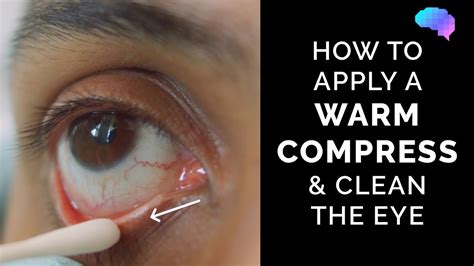
Following Blepharoplasty, patients can expect some soreness, bruising, and swelling, which typically subsides within one to three weeks. Residual swelling may occur in the cheeks and jawline. Swelling often peaks around the third day post-surgery and generally improves rapidly thereafter. Using cold compresses and maintaining head elevation are key to reducing this swelling. It is also common to experience dry, itchy, or irritated skin around the eyes as incisions heal, which can be managed with warm compresses after the initial cold therapy phase.
Blepharoplasty (Eyelid Surgery) Post-Operative Instructions
While initial improvements are noticeable once swelling and bruising subside, achieving final results can take 3 to 6 months. Some patients may experience oozing of blood from the incision sites for the first few days, which is normal unless excessive. Strenuous activity and heavy lifting should be avoided for approximately two weeks to prevent undue pressure on suture lines. It is rare, but if greenish or yellowish discharge or progressive redness and swelling occur, medical attention should be sought immediately. Some patients may require a revision surgery to achieve optimal symmetry or aesthetic outcomes, which can often be performed under local anesthesia.
The area around the eyes is delicate, and results depend on the surgeon's expertise and adherence to post-operative care instructions. Patients should expect scars, which are typically minimized by being placed in natural folds. These scars usually fade from red to less noticeable over several months to a year or two.