Understanding the differences between pityriasis rosea and ringworm is crucial for accurate diagnosis and effective treatment of these common skin conditions. Both can present as round, discolored patches on the skin, leading to confusion, but their causes, symptoms, and management strategies vary significantly.
Pityriasis Rosea
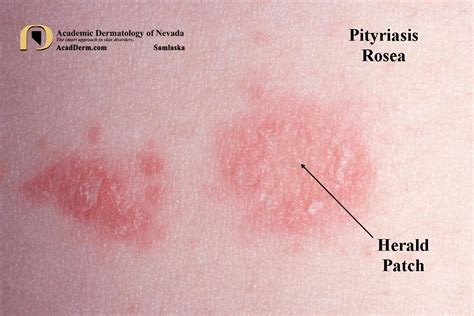
Pityriasis rosea is a type of skin rash, also known as the Christmas tree rash. It typically begins with a single, large, scaly patch that is round or oval in shape, referred to as the herald patch. This is often followed by numerous smaller patches that appear on the chest, back, and belly. The rash can take anywhere from 1 to 3 months, or even longer, to resolve.
Causes and Risk Factors
The exact cause of pityriasis rosea remains unknown to researchers, but it is thought to be triggered by a virus or bacteria. It is not contagious. The condition most commonly affects individuals between the ages of 10 and 35, as well as pregnant people. Having family members with pityriasis rosea can increase an individual's risk, as can the use of certain medications, such as terbinafine, isotretinoin, omeprazole, gold, arsenic, and barbiturates. Some sources suggest it may be linked to certain strains of the herpes virus, though not the one causing cold sores.
Symptoms
The onset of pityriasis rosea often starts with a single, oval, slightly raised, scaly patch, the herald patch, which can be 1 to 4 inches (10 centimeters) across. This patch might be pink or red on lighter skin tones, and purple, brown, or gray on darker skin tones. Prior to the herald patch, some individuals may experience flu-like symptoms such as headache, fatigue, fever, or sore throat. Within one to two weeks, smaller patches, known as "daughter patches," emerge, often appearing on the chest, back, abdomen, arms, and legs, and sometimes the neck and face. These smaller patches can form diagonal stripes down the back, resembling the branches of a Christmas tree. The rash can be itchy, particularly when the skin becomes warmer due to exercise or hot showers.

Diagnosis
A healthcare provider will typically diagnose pityriasis rosea through a physical examination, which includes a close inspection of the rash. They will inquire about your symptoms and health history. To rule out other conditions with similar appearances, further tests may be conducted, such as:
- Skin scraping: A small sample of skin is scraped and examined under a microscope to detect infections.
- Skin biopsy: A small piece of skin is removed and sent to a lab for analysis.
A dermatologist may also use a dermatoscopy, a high-powered microscope, for diagnosis.
Treatment
Pityriasis rosea generally does not require specific medical treatment and tends to resolve on its own within 6 to 8 weeks, or up to 3 months or longer. However, treatment may be sought to relieve discomfort and symptoms:
- Symptomatic Relief: Keeping the skin hydrated with moisturizers, avoiding sunburn, and using gentle, fragrance-free skincare products can help.
- Medications: If symptoms are bothersome, a doctor might recommend:
- Corticosteroid creams or ointments: Applied 2-3 times daily for up to 3 weeks.
- Antihistamines: To help reduce itching.
- Other anti-itch lotions or creams.
- Oral corticosteroids (e.g., prednisone): In more severe cases.
- Antiviral medications (e.g., acyclovir): Though their efficacy is not always guaranteed.
- Macrolides: If the condition is suspected to stem from a bacterial infection.
It is important to note that no single treatment has been shown to be reliably effective for pityriasis rosea.
Ringworm (Tinea Corporis)
Ringworm, also known as tinea corporis, is a contagious fungal infection that affects the skin, causing round, discolored patches. Unlike pityriasis rosea, ringworm is spread through direct skin-to-skin contact, contact with infected animals, or touching contaminated surfaces.
Causes and Transmission
Ringworm is caused by various types of fungi. It can be contracted through:
- Skin-to-skin contact: With an infected person or animal (e.g., during contact sports).
- Sharing personal items: Such as towels, clothing, or bedding.
- Contact with contaminated surfaces: Such as gym equipment or locker room floors.
Symptoms
The symptoms of ringworm can vary but typically include:
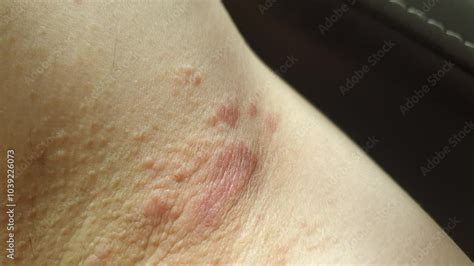
- A rash that may appear ring-shaped, with a distinctly colored, often raised outer border and clearer or less affected skin in the center.
- The affected area may feel itchy.
- The patches can be discolored, appearing pink or red on light to olive skin tones, and purple or gray on deeper skin tones.
- Raised edges are common.
- In some cases, blisters or pustules may develop.
Ringworm can affect various parts of the body, including the feet (athlete's foot), nails, scalp, and groin (jock itch).
Diagnosis
Dermatologists typically diagnose ringworm by examining the affected skin. Often, a small skin scraping is taken and sent to a laboratory for microscopic examination to confirm the presence of a fungal infection.
Treatment
Treatment for ringworm focuses on eliminating the fungal infection:
- Over-the-counter (OTC) antifungal medications: Topical treatments such as creams, ointments, powders, or lotions containing clotrimazole, miconazole, terbinafine, or ketoconazole are usually recommended. These are typically applied for 2 to 4 weeks.
- Prescription antifungal medications: If OTC treatments are ineffective, a doctor may prescribe oral antifungal medications like terbinafine or itraconazole, which are taken for 2 to 3 weeks or longer.
To prevent the spread of ringworm, it is important to:
- Avoid sharing towels or bedding.
- Wash hands thoroughly after applying medication or touching the affected skin.
- Cover affected areas when necessary.
Key Differences and When to See a Doctor
While both pityriasis rosea and ringworm can cause round skin patches, their fundamental differences lie in their causes and contagiousness. Pityriasis rosea is thought to be virus- or bacteria-induced and is not contagious, typically resolving on its own. Ringworm, on the other hand, is a fungal infection that is contagious and requires antifungal treatment.
It is advisable to consult a healthcare provider, such as a dermatologist, if you develop an unexplained skin rash, especially if it worsens or does not clear up within three months. An accurate diagnosis is essential to ensure appropriate treatment and, in the case of ringworm, to prevent its spread to others.
What Causes Ringworms? | Skin Infection | The Dr Binocs Show | Peekaboo Kidz
tags: #pityriasis #rosea #vs #ringworm