If there’s one skincare ingredient that’s stood the test of time, it’s glycerin. In fact, using glycerin for skin health dates back to the late 18th century, when it was used in hygiene products and general cleaning. As it grew in popularity, it began to be incorporated into skincare products like toners and other topical formulas. Now, it’s a quiet skincare behemoth, appearing in the INCI lists of cleansers, mists, essences, serums, body washes, and moisturizers.

What Exactly Is Glycerin?
“Glycerin, also known as glycerol, is a naturally occurring compound found in both animal and plant fats,” explains Dr. Sophie Momen, consultant dermatologist at The Cadogan Clinic. Though, she goes on to say, most cosmetic-grade glycerin is plant-derived. “Glycerin is a colorless, odorless, syrupy liquid that’s been used in skincare for centuries due to its ability to retain moisture.”
Molecularly speaking, glycerin has an innate ability to bind with water, which is what makes it such a powerful hydrator for the skin. Often, it’ll be listed as “glycerin, glycerin, or glycerine” on skincare labels, Momen finishes.
Glycerin: A Powerful Humectant
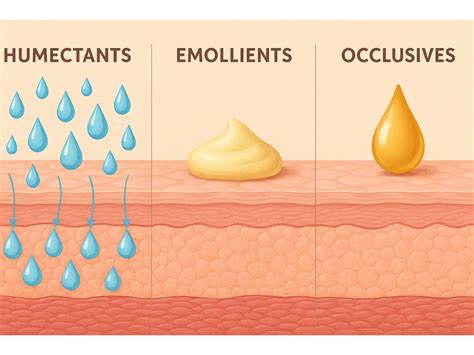
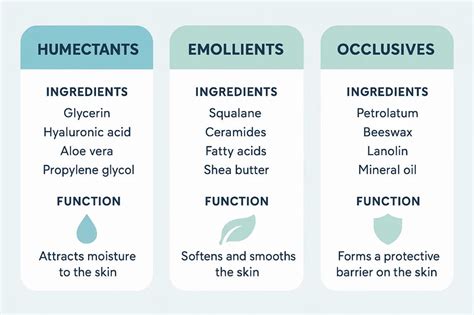
Yes, glycerin is a humectant and one of the most effective and efficient ones, at that. “A humectant works by attracting water molecules, either from the deeper layers of your skin or from the environment, and binding them to the skin’s surface. This function is crucial in helping the skin stay hydrated, plump, and smooth,” Momen explains.
An easy way to understand the role of a humectant is to think of it as a magnet for water. Glycerin, for example, pulls water towards it, holding it within the skin barrier and preventing it from escaping. “This makes glycerin especially important in maintaining skin elasticity, preventing dryness and supporting the skin’s natural healing processes,” she says.
Key Benefits of Glycerin in Facial Cleansers
At a glance, glycerin can:
- Deliver deep hydration by attracting and binding moisture to the skin, keeping it soft and supple.
- Improve elasticity and make the skin appear firmer and more resilient.
- Smooth rough or bumpy texture.
- Alleviate dry patches.
- Promote enhanced healing and support faster repair.
According to Momen, one of the big benefits of glycerin is that it’s highly compatible with other active ingredients, like niacinamide, peptides, and hyaluronic acid. “It’s also effective as corrective care for dry, sensitive, or compromised skin.”
Glycerin, or glycerol, is a clear, odorless liquid derived from plant oils, animal fats, or synthetic production. It is a humectant, meaning it attracts moisture from the air and helps the skin retain water. This makes glycerin a key ingredient in skincare, especially for people dealing with dryness or sensitivity. It is safe, non-toxic, and compatible with a wide range of skin types, from oily to acne-prone.
Gentle Exfoliation
Products containing glycerin are hydrating, which makes them ideal for sensitive or dry skin types. “It also helps remove dead skin cells through gentle exfoliation by breaking down protein bonds (that keep the dead cells ‘stuck’ to the skin),” says Dr. Catherine Borysiewicz, consultant dermatologist at Galen.
Compatibility with Other Ingredients
Glycerin’s appearance in skincare products seems to be warranted, as there are a number of benefits it brings to your skin:
- Hydrate the outer layer of the skin (stratum corneum).
- Improve skin barrier function.
- Provide protection against skin irritants.
- Accelerate wound-healing processes.
- Relieve dry skin.
- May help with psoriasis.
According to a 2016 study, glycerin is “the most effective humectant” available to increase hydration on the top layer of your skin, in comparison with numerous others, including alpha hydroxy acids, hyaluronic acid, propylene glycol, butylene glycol, sorbitol, and urea.
Which Skin Types Benefit Most from Glycerin?
“Products containing glycerin are hydrating, which makes them ideal for sensitive or dry skin types,” says Dr. Catherine Borysiewicz. Furthermore, glycerin’s ability to gently break down protein bonds can aid in the removal of dead skin cells, contributing to a smoother skin texture.
Is Glycerin Safe for Acne-Prone Skin?
Yes, but-and this is the same for most acne-suitable products-it’s best to tread carefully, as The Harley Street Dermatology Clinic’s Dr. Sasha Dhoat explains: “Glycerin is non-comedogenic, making it safe for all skin types. However, I would advise caution in acne-prone skin and to use it sparingly and cautiously. Slathering it on in thick quantities can lead to greasy skin and unnecessary breakouts.”
While glycerin itself is non-comedogenic, the overall formulation of a product is crucial for acne-prone skin. When used in appropriate concentrations within a well-formulated cleanser, it can contribute to hydration without exacerbating breakouts.
Potential Considerations and How to Use Glycerin Safely
As a humectant, glycerin draws water from the nearest source. Especially in low humidity conditions, the nearest source of water is the lower levels of your skin. This can dehydrate the skin, even to the point of blistering. Because blistering can occur with undiluted glycerin or glycerin that’s not diluted enough, it’s a good idea to use products that have glycerin as an ingredient rather than using pure glycerin.
Many proponents of natural cosmetics recommend diluting glycerin with rosewater, as rosewater is thought to hydrate the skin and refine pores. A 2019 study found that rose had positive antioxidant and anti-inflammatory effects on the skin.
Additionally, a 2017 study found that a combination of glycerin, hyaluronic acid, and Centella asiatica extract improves skin barrier function for up to 24 hours after application.
Although there don’t appear to be many reported side effects, glycerin is a natural product, so there’s always potential for an allergic reaction. If you experience redness, itching, or rash, stop using the product immediately. Look for an alternate product that doesn’t contain glycerin, and be sure to read the labels carefully.
Safe Application Practices
If considering using glycerin directly (though not generally recommended for facial cleansing due to the risk of dehydration), a safe method involves:
- Rinsing your face with cold water.
- Putting glycerin on a cotton pad or tissue and gently blotting your face.
- Letting the glycerin absorb into your skin for a few minutes.
- Gently rinsing off the glycerin with water.
However, it’s safer to consider using a product rich in glycerin rather than diluting the pure form. Glycerin can help moisturize and protect the skin. But, on the face, it may dehydrate and cause blistering, especially if undiluted. Only use glycerin-containing products like soaps or lotions, and stop if irritation occurs.
Incorporating Glycerin into Your Cleansing Routine
Glycerin is a versatile and effective skincare ingredient that has become a staple in countless skincare routines. Known for its ability to hydrate, protect, and soothe the skin, glycerin is a natural fit for anyone looking to enhance their skincare regimen. When choosing the best glycerin for your skin, consider talking with a dermatologist first to learn more about your specific skin type and what product would be best. One option also available is glycerin soap, which is generally recommended for people with sensitive skin.
For instance, T.N. The Micellar Witch Hazel Cleanser combines the gentle cleansing power of micelles with the hydrating and toning properties of glycerin. It’s a rinse-free formula designed to remove makeup, dirt, and oil without stripping the skin of its natural moisture. The combination of aloe vera and glycerin in the Micellar Witch Hazel Cleanser enhances its moisturizing benefits. Aloe vera, known for its calming and cooling properties, is rich in vitamins, minerals, and antioxidants that support skin repair and hydration. When paired with glycerin, aloe vera’s hydrating power is amplified, ensuring that the skin remains plump, smooth, and nourished.
Double Cleansing Tutorial
Micellar water has revolutionized the way we think about cleansing. Unlike traditional cleansers or toners, micellar water uses micelle technology-tiny oil molecules suspended in water-to lift dirt, makeup, and oils from the skin. In contrast, some toners or cleansers can be overly drying, stripping the skin of its natural oils.
How to Use Glycerin-Based Cleansers
Incorporating the Micellar Witch Hazel Cleanser into your routine is straightforward and customizable to your needs. Start your routine by saturating a cotton pad with the cleanser. Gently sweep it across your face, eyes, and neck to remove impurities, makeup, and sunscreen. Apply your favorite moisturizer to lock in hydration and protect the skin barrier. For those wearing heavier makeup or sunscreen, the Micellar Witch Hazel Cleanser works excellently as the first step in a double cleansing routine.
T.N. The Micellar Witch Hazel Cleanser stands out for its multitasking ability to cleanse, tone, and hydrate in one step. With the inclusion of glycerin, aloe vera, and witch hazel, it provides a balanced, gentle approach to skincare that caters to various skin types. By incorporating glycerin-based products like the Micellar Witch Hazel Cleanser, you can achieve hydrated, refreshed, and glowing skin with minimal effort. With its versatile benefits and gentle formulation, glycerin is a must-have ingredient in any skincare routine. Paired with aloe vera and witch hazel in the Micellar Witch Hazel Cleanser, it ensures your skin feels clean, soft, and hydrated after every use.