Skin tags, also known medically as acrochordons, are common, non-cancerous growths that hang from the skin. They are typically small, flesh-colored or slightly darker growths composed of collagen and blood vessels surrounded by skin. While they can occur at any age, they are more prevalent in adults, particularly as they age, with approximately half of all adults developing them. Most skin tags are painless and do not cause any symptoms, though they can become irritated if rubbed by clothing, jewelry, or skin folds.
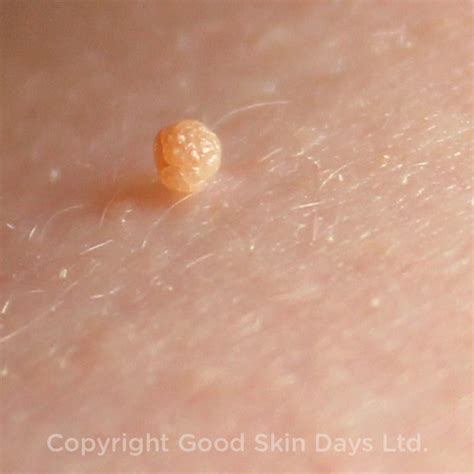
Appearance and Characteristics of Skin Tags
Skin tags are characterized by a small stalk, or peduncle, that attaches them to the skin, distinguishing them from warts and other skin sores. They usually range in size from 2 to 5 millimeters, though some can grow larger, up to a few centimeters. Their color can vary, matching the surrounding skin, appearing lighter, or being darker. If irritated, some skin tags may become red.
These growths commonly form in areas where friction occurs, such as:
- Armpits
- Breast area
- Eyelids
- Groin
- Neck
- Anus
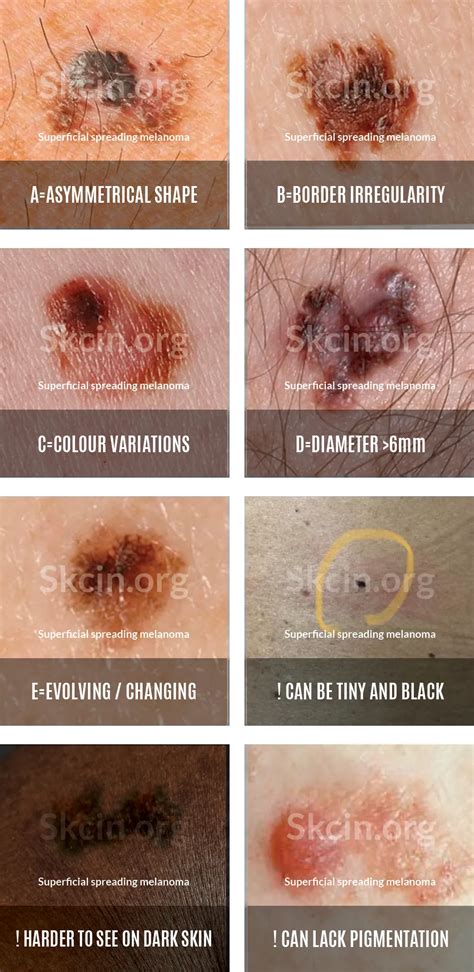
While skin tags themselves are benign, it is possible to mistake them for other skin lesions that may be cancerous. A dermatologist can accurately determine if a growth is a skin tag or something more serious.
Are Skin Tags Cancerous?
No, skin tags are not cancerous. They are benign growths. However, it is crucial to have any new or changing skin growth examined by a dermatologist to rule out skin cancer. Skin tags generally remain small, whereas skin cancers can grow larger, bleed, or change in size, color, or shape. If a growth itches, bleeds, or has an asymmetrical shape, it warrants professional medical attention.
Causes and Risk Factors
The exact cause of skin tags is not fully understood, but they are thought to form when extra cells grow in the top layers of the skin, often in areas of friction. Several factors can increase the likelihood of developing skin tags:
- Age: They are more common in older adults.
- Genetics: A family history of skin tags can increase your risk.
- Obesity: Increased body weight can lead to more skin folds and friction.
- Pregnancy: Hormonal changes and weight gain during pregnancy can contribute.
- Diabetes: Individuals with diabetes may be more prone to skin tags, possibly due to circulation issues.
- Metabolic Syndrome: This cluster of conditions, including high blood pressure, high blood sugar, and abnormal cholesterol levels, is associated with an increased risk.
- Other Medical Conditions: Although rare, multiple skin tags can sometimes indicate underlying conditions such as acromegaly, Birt-Hogg-Dube syndrome, Crohn's disease, or lipid disorders. Perianal skin tags in young children might be an indicator of spina bifida.
While skin tags cannot be fully prevented, maintaining good skin hygiene, keeping skin clean and dry, and avoiding excessive friction can help lower the risk.
When to See a Doctor
While skin tags rarely pose a health concern and do not require medical treatment, it is advisable to consult a doctor or dermatologist in the following situations:
- If a skin growth changes in size, shape, or color.
- If a growth becomes irritated, itchy, or bleeds easily.
- If you are concerned about the appearance of a skin tag.
- If a skin tag is located in an area that causes discomfort or interferes with vision (e.g., on the eyelid).
- If you suspect a growth might not be a skin tag.
A dermatologist can accurately diagnose skin growths and differentiate between benign conditions like skin tags and potentially malignant lesions.
Skin Tag Removal
There is no medical necessity to remove skin tags, as they are harmless. However, individuals may choose to have them removed for cosmetic reasons, comfort, or if they become irritated. It is important to note that removing skin tags at home using over-the-counter products or home remedies is not recommended due to the risk of infection, bleeding, scarring, incomplete removal, and the potential to misdiagnose a cancerous growth.
Skin Tag Removal | Watch the Procedure
Professional Removal Methods
A dermatologist can safely and effectively remove skin tags using several methods:
- Surgical Excision: The skin tag is cut off using surgical scissors or a scalpel.
- Cryosurgery: The skin tag is frozen using liquid nitrogen, causing it to fall off with the scab.
- Electrosurgery (Cauterization): Heat from an electrical current is used to remove the skin tag or stop bleeding.
- Ligation: The blood supply to the tag is cut off, causing it to wither and fall off.
These procedures are typically performed in an office setting and may involve mild discomfort, for which local anesthesia or pain relief medication can be administered. After removal, the treated area may scab over and heal, potentially leaving minor imperfections.