Disorders of skin darkening, also known as hyperpigmentation, are one of the most common complaints in dermatology offices. Hyperpigmentation refers to skin that darkens in comparison to its natural color. Based on your skin complexion, these areas can appear brown, tan, pink, gray, black, or even purple.
This condition occurs when some areas of the skin have darker patches or spots than the rest of the skin. At its simplest, this condition occurs due to more melanin being accumulated or produced in one or a few areas than others. Melanin is the pigment that determines your skin tone and more.
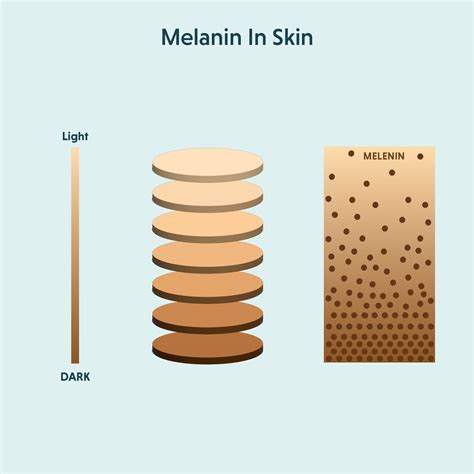
Causes of Hyperpigmentation
Hyperpigmentation can occur due to hereditary factors, medical conditions, medications, and external influences. Fluctuations in your hormones can also increase the amount of melanin produced.
Common Triggers and Types:
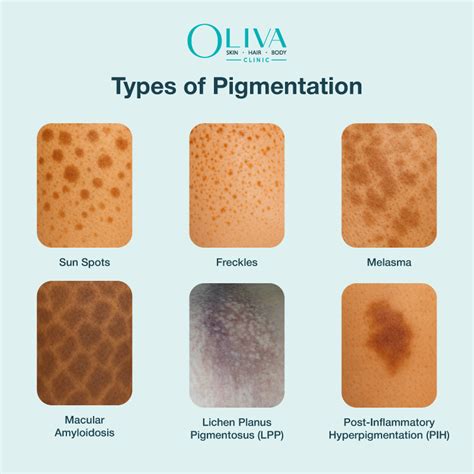
- Sun Exposure: The most common cause of hyperpigmentation is sun exposure. The body darkens the skin to protect it from harmful ultraviolet radiation. When your skin is exposed to the sun’s UV rays, it goes into hyperdrive to protect you by producing more melanin. Often, this shows up as freckles, but it can show up as larger dark spots. Many things suffer as we age, including how our skin responds to UV damage. You will likely notice that your skin develops dark spots more quickly when you’re out in the sun.
- Post-Inflammatory Hyperpigmentation (PIH): This is discoloration due to skin inflammation or injury, such as burns, wounds, acne, or skin rashes. From cuts to acne, injuries to the skin cause inflammation and a natural response for recovery.
- Melasma: Usually occurring in females in their 20s and 30s, this condition causes irregular dark patches to occur on the face.
- Age Spots (Solar Lentigines): These spots vary from tan to dark brown and are larger than freckles. They are common harmless skin spots that can develop with age.
- Freckles (Ephelides): These are small tan or brown spots that usually develop in childhood on sun-exposed skin.
- Maturational Hyperpigmentation: Usually affecting the sides of the face, this type of hyperpigmentation refers to gradual darkening of sun-exposed skin in people with darker skin complexions.
- Acanthosis Nigricans: A condition that causes darkening of the skin in areas that rub together, such as the armpits, groin, and back of the neck.
- Periorbital Hyperpigmentation: This refers to darkening around the eyes.
Treatments for Hyperpigmentation
A dermatologist can offer several types of treatments and techniques to lighten up darkened areas. If your hyperpigmentation is due to a medical condition, your doctor may be able to prescribe medications to help.
Topical Therapies:
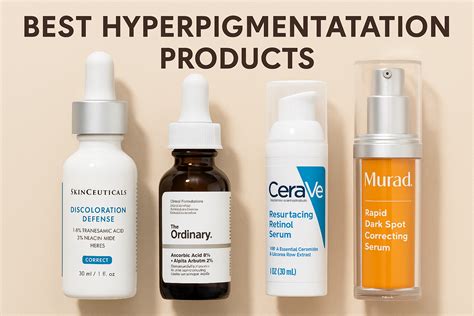
Topical therapies, which include creams and lotions applied directly to the skin, are the most common treatment option for hyperpigmentation. These treatments work by inhibiting melanin production or increasing skin cell turnover to fade dark spots.
Vitamins and Antioxidants:
Certain vitamins and antioxidants can also be helpful for hyperpigmentation. These include vitamins A, B, C, and E, obtained either from food or supplements. These nutrients can help protect the skin from damage and support skin regeneration.
Professional Treatments:
For more persistent or severe cases, dermatologists may recommend professional treatments such as:
- Chemical Peels: These treatments use chemical solutions to remove the outer layers of skin, revealing lighter skin underneath.
- Laser Therapy: Different types of lasers can target melanin in the skin to break down dark spots.
- Microdermabrasion: This procedure exfoliates the top layer of skin to improve skin tone and texture.
When to See a Dermatologist
If you have any areas of hyperpigmentation that are more than one color, or that do not respond to treatment, it is advisable to make an appointment with a dermatologist. They can accurately diagnose the cause of your hyperpigmentation and recommend the most effective treatment plan.
The science of skin color - Angela Koine Flynn
tags: #omg #is #that #hyperpigmentation