March is "Save Your Vision" month, a time to focus on all aspects of eye health. Daily, it's crucial to protect your eyes from various potential hazards, including UV rays from the sun, eyestrain from digital screens, and environmental factors like projectiles and dust. However, another potential culprit that many people apply to the delicate eye area daily is makeup. Let's explore the "Do's and Don'ts" of wearing makeup while maintaining healthy eyes. Misuse of eye cosmetics can be dangerous, leading to uncomfortable bacterial or fungal eye infections.
The Dangers of Unsafe Makeup Practices
Sharing eye cosmetics is strongly discouraged, as it can lead to the transmission of bacteria and potential infections. This includes "testers" in department stores. When seeking a new look from a makeup salesperson, be aware that they use the same products on multiple clients, increasing the risk of cross-contamination.
Mascara and Its Risks
Old or outdated mascara should be discarded. After three months of use, it's time to replace your mascara. Never attempt to remoisten dried-out mascara with water or saliva, as this can promote bacterial growth. Store cosmetics at room temperature to maintain their integrity.
Hygiene Before Application
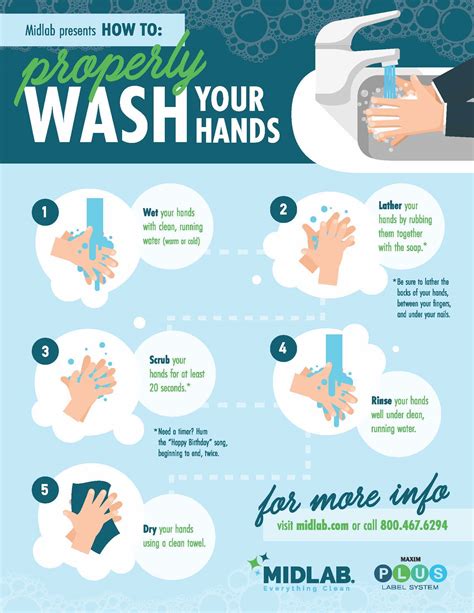
Your hands are a primary source of bacteria. Always wash your hands thoroughly with soap and water (not hand sanitizer) before applying any cosmetics. It's also a good practice to cleanse your face beforehand.
Liquid and Creamy Eye Makeup
Liquid or creamy eye makeup is particularly susceptible to bacterial growth, making proper hygiene and timely replacement essential.
Using Cosmetics as Intended
It's tempting to use products for purposes other than their intended use, such as using a lip liner as an eyeliner. However, this practice significantly increases the risk of cross-contamination and potential infections.
Applying Makeup "On the Go"
Applying makeup while commuting, such as on a bus, in a car, or on a subway, is not advisable. A sudden jolt, stop, or collision could lead to an accidental scratch of the cornea with a makeup applicator, resulting in a painful injury or infection. Even a minor graze from a mascara wand, eyeliner, or tweezer can cause eye injury.
False Eyelashes and Extensions
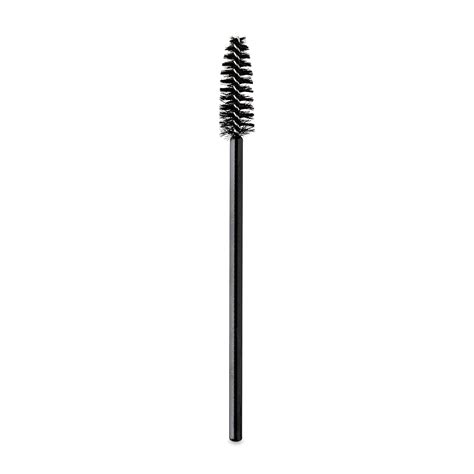
While false eyelashes and extensions are trendy, their misuse can affect vision. The FDA classifies these products, including lash adhesives, as cosmetic products. Despite adhering to labeling and safety requirements, adhesives can still cause irritation or allergic reactions to the eyes and surrounding delicate skin.
Lash and Brow Tinting
For dramatic dark lashes and brows, lash and brow dying or tinting should always be performed by a licensed professional using FDA-approved products. Improper application can lead to corneal irritation and infection.
Glitter and Metallic Eye Makeup
Sparkle powder, glitter, or metallic eye makeup can cause corneal irritation and infection. The relatively large particles can act like sand or dirt in the eye, leading to irritation and damage.
Preventing Conjunctivitis (Pink Eye)
Pink eye, also known as conjunctivitis, is an inflammation of the conjunctiva, the clear tissue lining the inside of your eyelids and covering the white part of your eye. It can be caused by viruses, bacteria, allergens, or irritants. Pink eye is highly contagious, especially in its viral and bacterial forms.
Key Habits for Prevention
- Wash Your Hands: Frequent handwashing with soap and water is one of the most effective ways to prevent the spread of germs that cause pink eye. Always wash your hands before touching your face, especially your eyes.
- Avoid Touching Your Eyes: Be mindful of how often you touch your eyes. Rubbing your eyes or adjusting contact lenses can increase the risk of infection. If you must touch your eyes, ensure your hands are thoroughly washed first.
- Remove Eye Makeup Thoroughly: Makeup particles and residue can harbor bacteria and irritants. Always remove all eye makeup before going to bed using gentle, non-irritating removers. Pay special attention to mascara, eyeliner, and eyeshadow.
- Do Not Share Eye Makeup or Personal Items: Sharing eye makeup, face towels, or pillows can quickly spread bacteria or viruses that cause pink eye. Avoid sharing any personal items that come into contact with your eyes or face.
- Avoid Rubbing Itchy Eyes: While rubbing itchy eyes might provide temporary relief, it can worsen irritation and introduce bacteria. Instead, try using a cold compress or lubricating eye drops.
- Keep Your Environment Clean: Regularly disinfect surfaces like doorknobs, desks, and bathroom counters. Wash bedding and towels frequently.
- Practice Good Contact Lens Hygiene: If you wear contact lenses, wash your hands before handling them, clean them with the recommended solution, and avoid sleeping in them unless approved by your eye doctor.
What to Do if You Develop Pink Eye Symptoms
Common signs of pink eye include redness, swelling, itchiness, a gritty feeling in the eye, and discharge. If you notice these symptoms, it is important to seek professional medical care promptly. Untreated pink eye, especially bacterial cases, can worsen.
When to Seek Professional Care
If you suspect you have pink eye or are experiencing any unusual eye symptoms, schedule an appointment with an eye care professional. Emergency eye care services can help manage symptoms quickly and effectively, preventing complications and protecting your vision.
The Importance of Makeup Removal Before Sleep
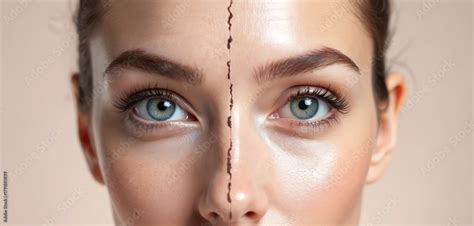
The cardinal rule of wearing makeup is to always remove all makeup before going to sleep. Failure to do so can lead to follicular conjunctivitis, styes, eyelid cysts, and blepharitis (inflammation of the eyelid affecting eyelashes and tear production). Research indicates that debris from makeup can affect the lipid layer of the tear film, potentially leading to meibomian gland dysfunction. Applying eyeliner to the waterline can obstruct these glands, which are crucial for tear production. In severe cases, repeated application of eyeliner to the waterline can cause meibomian glands to die out permanently.
Mascara and Ocular Surface Issues
Mascara is a significant contributor to ocular surface diseases, inflammation, and Demodex folliculorum infections. Mascara can be a breeding ground for Demodex mites, which can lead to blepharitis, resulting in eyelash loss, swelling, and ulcerations. Waterproof mascara is particularly problematic as it is more difficult to remove, contributing to these issues.
Conjunctival Pigmentation from Makeup
Nylon fibers found in mascara can embed into the lash line and eyelid margin, potentially emitting pigment. This can lead to debris constantly falling onto the ocular surface. Histopathological studies have shown significant pigmentation in fibrous tissue consistent with mascara use.
When to Discard and Replace Eye Makeup
If you develop pink eye, especially the viral or bacterial kind, it is essential to discard and replace certain eye makeup products. Unopened or unused products that never touched your eyes during the infection may be safe to keep. However, any product that came into contact with your eyes during the infection should be replaced to prevent reinfection or spreading the infection to others.
Post-Infection Makeup Usage
Once conjunctivitis has cleared, you can resume using makeup. However, it's often recommended to wait about two weeks, or longer if symptoms like redness or inflammation persist. For conditions like epidemic keratoconjunctivitis (EKC), which is highly transmissible and can take 2 to 4 weeks to resolve, allowing more time for your eyes to heal is advisable.

Types of Conjunctivitis and Treatment
- Viral Pink Eye: Most cases resolve within 7 to 14 days without medication. Antivirals may be prescribed for severe cases.
- Bacterial Pink Eye: Mild cases may clear in 2 to 5 days, but can take up to 2 weeks. Antibiotics may be necessary for more severe cases or when discharge is present.
- Allergic Pink Eye: Caused by allergens; removing exposure to the allergen and using allergy medications or eye drops typically provides relief.
Antibiotics are only effective for bacterial conjunctivitis. If allergies or chemicals are the cause, avoiding the irritant is key to resolution.
Home Care for Pink Eye
- Wash your hands often, especially before and after treating your eyes.
- Use moist cotton or a clean, wet cloth to gently remove crusts, wiping from the inner corner to the outer corner of the eye.
- Apply cold or warm wet cloths to the eye if it hurts.
- Do not wear contact lenses or eye makeup until the pink eye is completely gone.
- Discard any eye makeup used prior to the infection.
- Clean contact lenses and their storage case thoroughly. If using disposable lenses, start with a new pair once it's safe to wear them again.
- Use any prescribed antibiotic ointment or eyedrops exactly as directed, even if symptoms improve quickly.
Dermatologist Approved: How to Safely and Effectively Remove Makeup
tags: #makeup #and #conjunctivitis