Olive oil has been used for haircare for thousands of years, with claims of adding shine, body, softness, and resilience. While more research is needed, olive oil may help preserve hair moisture, strengthen hair, and is potentially better suited for certain hair types, such as thick hair. Its popularity in haircare stems from its composition of oleic acid, palmitic acid, and squalene, which are emollients known for their softening qualities. Many commercial hair products contain lab-made versions of these emollients.
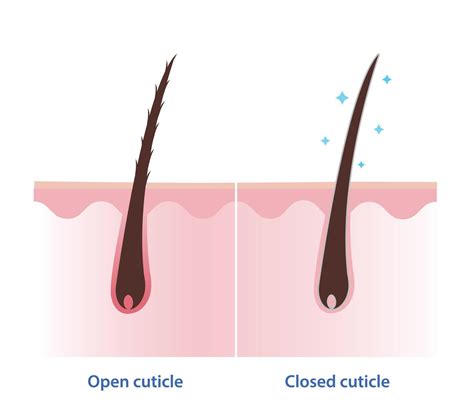
Despite limited scientific evidence, some research indicates that olive oil can have a significant moisturizing effect. It is thought to add softness and strengthen hair by penetrating the hair shaft and preserving moisture. The shine attributed to olive oil may result from its ability to smooth the outer cuticle of the hair.
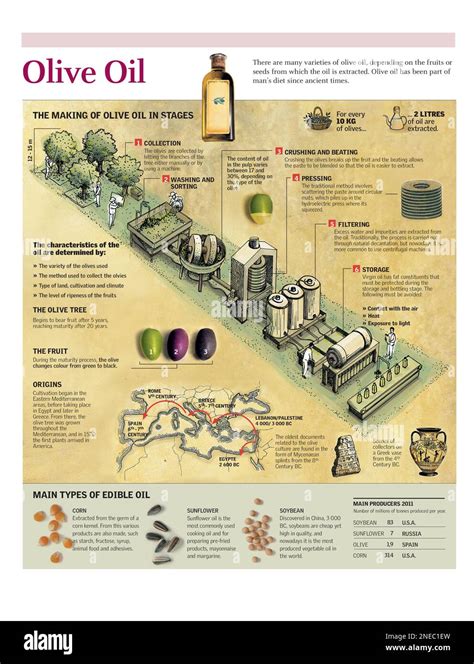
The Benefits of Using Olive Oil on Your Hair and Scalp
Olive oil functions primarily as a conditioner in haircare. It is considered both an occlusive substance and an emollient, meaning it seals moisture into the hair cuticle and makes hair appear shiny and feel softer, smoother, and more slippery. This can help combat flyaways and protect hair from breakage, with some hairstylists noting its effectiveness in frizz protection.
Potential Benefits for Hair and Scalp:
- Moisturizing Dry Scalp: Olive oil can help soothe and moisturize an itchy or dry scalp.
- Protection from the Sun: Its antioxidants, such as vitamin E and phenol alcohols, may protect hair from damage caused by the sun's ultraviolet rays, which can lead to rough, weak, dull, and dry hair.
- Antifungal Properties: Olive oil is believed to possess antifungal properties that might slow the growth of *candida albicans*, a fungus that can cause yeast infections on the scalp if it proliferates.
- Psoriasis Symptom Relief: For psoriasis, a chronic skin condition causing dry, itchy, scaly patches, olive oil may help by softening and loosening skin build-ups. However, it is generally recommended as a supplementary treatment alongside conventional medications.
How to Apply Olive Oil for Hair and Scalp Treatments
If you decide to use olive oil for your hair, it's advisable to start with a small amount to gauge your hair's reaction. For a first-time treatment, using just a tablespoon or two is recommended. The quantity needed depends on the extent of moisturization desired and hair length/thickness. For conditioning the entire head, approximately 1/4 cup is suggested, especially for long or thick hair.
Application Steps:
- Preparation: Start with dry hair. If you have never used olive oil before, perform a patch test on your inner arm for a week or two to check for irritation.
- Application: Massage the oil deeply into your hair for a few minutes. If you have a dry scalp, you can also massage it directly into the scalp. For treating split ends, apply the oil to the last 2 inches of damaged strands.
- Soaking: For maximum conditioning, wrap your hair in a shower cap and let the oil soak in for at least 15 minutes, or longer for a deeper treatment.
- Combing: Before shampooing, gently comb your hair with a wide-toothed comb to ease detangling and styling afterward.
- Washing: Shampoo rigorously to remove the oil. You might need to shampoo twice, depending on the amount of oil used.
- Drying: Dry your hair as usual to observe the results.
It's generally recommended to use olive oil as a conditioning treatment once a week or less often to avoid buildup and excessive greasiness. Avoid heat styling immediately after applying olive oil, as it has a low smoke point and can cause hair to burn.
DIY Hair Mask for Stronger, Healthier Hair: Honey & Olive Oil
Who Can Benefit from Olive Oil Hair Treatments?
Olive oil is most beneficial for dry, thick, curly, or coarse hair types, as it can help keep them moist and strong. It is believed to weigh down thinner hair and may not be necessary for those with naturally oily hair and scalps.
Specific Hair Types and Conditions:
- Thick Hair: Olive oil is considered highly beneficial for dry, thick hair, helping to maintain moisture and strength.
- Processed Hair: Hair that has undergone chemical treatments like relaxers, perms, or bleaching can benefit from the added moisture provided by olive oil. It's advised to wait at least 72 hours after chemical treatments before applying olive oil. For bleached hair, test a strand to ensure the oil doesn't impart a greenish tint.
- Split Ends: Applying olive oil to the damaged ends of hair can help smooth them.
- Head Lice: While olive oil can assist in the removal of head lice, it is not more effective than other oils or conditioning treatments. Proper combing and removal of all lice and nits are critical.
- Dandruff: Olive oil may offer temporary relief for a dry, flaky scalp associated with dandruff by reducing flakes. However, it does not address the underlying cause of dandruff, which is often the microbe *Malassezia globosa*. For persistent dandruff, targeted treatments like anti-dandruff shampoos containing ingredients like Piroctone Olamine are recommended.
Potential Risks and Considerations
While olive oil offers several potential benefits, there are some downsides to consider:
- Greasy Hair: Applying too much olive oil can make hair appear greasy, especially for those with thin or naturally oily hair.
- Rancidity: Olive oil is composed of unsaturated fatty acids, which can degrade when exposed to sunlight, potentially causing an unpleasant smell. Using cooking olive oil may increase this risk compared to specially formulated hair products with preservatives.
- Worsening Dandruff: For some individuals, olive oil can exacerbate dandruff because the yeast (*Malassezia globosa*) that causes dandruff thrives on lipids found in olive oil.
- Clogged Follicles: The thick nature of olive oil can potentially clog hair follicles, especially if not washed out thoroughly, leading to itchiness and inflammation.
- Irritation: Like any cosmetic ingredient, olive oil can cause irritation in some individuals.
It is important to note that while olive oil is a natural product, "natural" does not always equate to being universally beneficial or non-irritating.
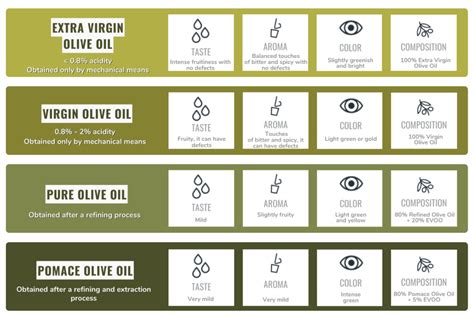
Alternatives and When to Consider Other Options
While olive oil can provide a moisturizing boost, other ingredients might offer superior results for specific concerns. For instance, synthetic compounds like cyclomethicone and dimethicone are effective for managing frizz and flyaways. For those seeking alternatives to olive oil that may have fewer associated complications, castor oil or coconut oil are often suggested.
The evolution of cosmetic science has led to the development of ingredients that may work more effectively than traditional natural remedies. When choosing hair products, consider those formulated with ingredients specifically designed to address your hair's needs.