If you are seeking effective strategies to combat cellulite formation and water retention, understanding their origins is crucial. This article aims to provide comprehensive insights into these common concerns, offering effective approaches to improve appearance and overall well-being.
Research indicates that cellulite and water retention affect a significant portion of the female population, estimated at 85-90%. While complete elimination may not be possible, numerous methods can significantly improve their appearance and impact.
To effectively address these imperfections, it is essential to understand their underlying causes. Very often, alterations in venous and lymphatic circulation are at the root of cellulite and water retention. This article will explore how these circulatory problems can arise and how they can be counteracted with the help of herbal medicines and natural extracts.
Circulation Problems: The Underlying Causes
Cellulite and water retention are complex phenomena with multifactorial origins. While some contributing factors are modifiable, others are linked to genetic and hormonal influences.
A common underlying cause is the alteration of microcirculation, specifically within the venous or lymphatic systems, often related to a lack of elasticity in blood vessels. Several factors can contribute to these circulatory problems:
Genetic Predisposition and Hormonal Influences
- The tendency for cellulite and water retention is more pronounced in women due to the influence of estrogen hormones, which can promote fat and fluid accumulation.
- This hormonal balance can lead to reduced exchange of waste products from cellular metabolism in areas like the buttocks and hips, resulting in hypoxia and increased radical stress.
- Hormonal fluctuations during puberty, pregnancy, menopause, and the use of contraceptives can further unbalance hormones and circulation.
- Women with a "pear" body shape, who tend to accumulate fat on the hips and thighs, are often more susceptible.
Thyroid Imbalances
Malfunctioning of the thyroid gland can affect metabolism and favor the development of inflammation, further alterations, and localized fat formation.
Lifestyle Factors
Modifiable lifestyle choices significantly impact microcirculation:
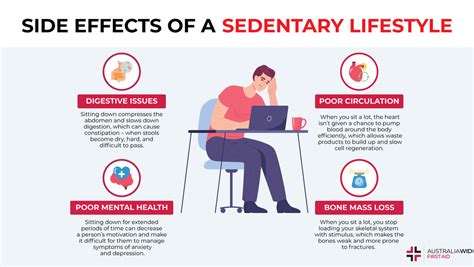
- Sedentary Habits and Poor Posture: These reduce circulatory efficiency.
- Stress, Poor Diet, Impaired Sleep, and Smoking: These factors contribute to poor blood supply and oxygenation of tissues, visually worsening cellulite.
Tight-Fitting Clothing
The use of excessively tight clothing, underwear, and shoes can impede circulation:
- Tight jeans can compress the thighs and abdomen, slowing down lymphatic and venous circulation.
- High heels can promote blood and lymphatic fluid stagnation, hindering venous return.
Understanding Cellulite Formation
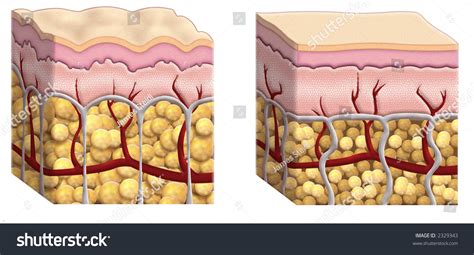
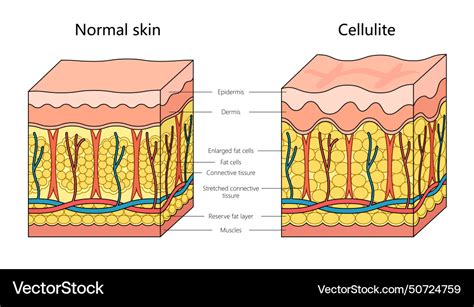
Cellulite arises from a degenerative process within the subcutaneous adipose panniculus, a multifactorial disorder affecting adipose tissue beneath the dermis.
This tissue resembles polystyrene, with adipocytes (fat cells) surrounded by capillaries. When capillaries are healthy, microcirculation functions properly. However, if capillaries dilate, their pores can open, allowing blood serum to leak into the surrounding adipose tissue, causing edema (fluid stagnation) - a precursor to cellulite.
This edema triggers an inflammatory process, further impairing venous and lymphatic exchanges. The affected area becomes less oxygenated, thickens, and over time, nodules and fibrousness form, leading to hardened, sclerotic fat - true cellulite.
The Three Stages of Cellulite
Cellulite, also known as Ginoid Lipodystrophy or PEFS (Edematous Fibro Sclerotic Panniculopathy), is an aesthetic concern characterized by fat accumulation and water retention due to poor blood circulation. It affects 80-90% of post-pubertal women and can be influenced by hormonal factors and lifestyle.
Cellulite commonly appears on the buttocks, lower back, legs, knees, and ankles. It can be classified into three stages:
Stage 1: Edematous Cellulite (The "Bearings")
This is the initial stage, marked by a slight alteration in microcirculation. The adipose tissue is healthy, and the "orange peel" appearance is only visible when the skin is pinched.
Stage 2: Fibrous Cellulite (The "Orange Peel" Skin)
This evolutionary phase involves thickening of the connective tissue, which loses elasticity and forms nodules. Swelling and a feeling of heaviness are common. When squeezed, the skin reveals hard nodules, feels cold, and is painful to the touch.
Stage 3: Sclerotic Cellulite (The "Mattress" Skin)
The most challenging stage to treat, characterized by visually altered areas, nodules, and pain. Both lymphatic and blood circulation are significantly reduced due to tissue and nerve sclerotization. This stage can be accompanied by weight gain, especially with poor nutrition. The skin appears soft, sagging, and deeply dimpled.
The Importance of Preventing Circulation Problems
Cellulite is not merely an aesthetic issue; it can cause pain and discomfort due to the persistent feeling of heaviness in the legs and ankles.
Improving microcirculation and metabolic efficiency through physical activity is crucial. A healthy, balanced diet that combats inflammation and fluid retention is also vital. Nature offers valuable support through phytoextracts that enhance capillary trophism, promote fluid drainage, and improve microcirculation, thereby reducing inflammation and tissue suffering caused by poor oxygenation.
Circulation and Cellulite: Supplements and Natural Remedies
To counteract microcirculation problems and cellulite, various natural remedies can be employed:
Diosmin
A flavonoid found in citrus fruits, diosmin enhances red blood cell flexibility, promotes blood flow in microcirculation, and increases capillary resistance, making them more elastic and less fragile. It helps alleviate swelling, leg heaviness, edema, and varicose veins. Micronized formulations improve its absorption and effectiveness. Diosmin also possesses anti-edematous and anti-inflammatory properties.
Troxerutin
This bioflavonoid, extracted from Styphnolobium japonicum and found in various plants, has a vasoprotective action. It improves capillary resistance and decreases permeability, preventing fluid leakage into surrounding tissues (anti-waterproofing and anti-edema). It also combats inflammation and free radical damage.
Bromelain
Derived from pineapple, bromelain aids digestion and possesses anti-inflammatory properties. It helps improve circulation, drain water retention, and reduce inflammation associated with adipocyte alterations. Its proteolytic activity also aids digestion and can reduce edema-related pain.
Blueberries
Rich in anthocyanins, anti-inflammatory flavonoids, blueberries support microcirculation and offer antioxidant benefits. Anthocyanidins, released from anthocyanins, possess vasoprotective properties for venous and cardiac microcirculation. Blueberries are beneficial for water retention, varicose veins, and hemorrhoids. Tannins in blueberries also help cleanse the body of excess substances.
Gotu Kola
This phytoactive compound helps relieve heavy legs. It contains essential oils, flavonoids, phytosterols, tannins, and saponins, making it effective against cellulite. Gotu kola preserves blood vessel wall structure and tone, strengthens capillaries, promotes peripheral circulation, and reduces inflammation. It also improves collagen production, enhancing skin appearance.
Citrus Fruits
Citrus fruits are rich in hesperidin, found in the white peel and under-peel. Hesperidin has vasoprotective properties that prevent and counteract circulation disorders in the lower limbs, venous insufficiency, and promote peripheral microcirculation. It tones veins, strengthens capillaries, and improves circulation.
How Dr. Alyssa Uses Bromelain for Natural Inflammation Support
Can Cellulite Be Eliminated? Treatments and Approaches
Cellulite affects people of all body shapes and is a natural condition. While complete elimination may not be feasible, its appearance can be significantly improved through a combination of approaches.
Medical and Cosmetic Treatments
The Food and Drug Administration (FDA) has approved treatments like Cellfina® and Cellulaze® to improve the appearance of dimples. Cosmetic surgeons also employ various temporary treatments:
- Deep Massaging: To plump the skin.
- Acoustic Wave Therapy: Uses sound waves to break up cellulite.
- Laser Treatment: Helps thicken the skin.
- Liposuction: Removes deep fat, though not directly targeting cellulite.
- Mesotherapy: Involves injecting drugs into cellulite areas.
- Subcision: Uses a needle to break up fibrous bands causing cellulite.
- Topical Creams: Containing caffeine or 0.3% retinol.
- Spa Treatments: Can temporarily make cellulite less noticeable.
- Vacuum-Assisted Precise Tissue Release: Cuts tissue to fill out dimpled skin.
- Radiofrequency, Ultrasound, Infrared Light, or Radial Pulses: Heat the skin.
The Role of Exercise
Exercise can significantly improve the appearance of cellulite by increasing muscle mass, which flattens the skin, and enhancing blood flow, which accelerates fat loss. Effective activities include:
- Running
- Cycling
- Resistance Training
Dietary Considerations
While you can eat what you like, certain dietary habits can increase the risk of developing or worsening cellulite. A diet high in calories, simple carbohydrates, fats, preservatives, and salt may contribute to its development.
Traditional Medicines and Treatments
Several traditional remedies show potential in reducing cellulite's appearance:
- Ginkgo Biloba: May increase blood flow to affected areas, potentially reducing cellulite.
- Grape Seed Extract: Similar to ginkgo biloba, it may enhance blood flow.
- Cupping: A traditional Chinese and Middle Eastern therapy that uses suction to lift the skin. Small studies suggest it may decrease cellulite, but more research is needed.
- Dry Brushing: Massaging the skin with a stiff brush temporarily increases blood circulation. While claims suggest cellulite reduction, there is no definitive proof.
It is important to note that there is currently no evidence to suggest that these tools provide long-term improvements in cellulite appearance.
Understanding the Pathology: A Deeper Dive
Cellulite is a complex condition resulting from a combination of factors including reduced microcirculation, interstitial edema, localized hypertrophy of fat cells, oxidative stress, chronic low-grade inflammation, and extracellular matrix alterations from collagen degradation.
The Nurnberger and Muller scale is commonly used to classify cellulite severity. Cellulite develops when fat cells push through the connective tissue beneath the skin. The dermis, supported by collagen produced by fibroblasts, weakens with age, making protruding fat cells more visible.
Injury to connective tissue cords from trauma, decreased circulation, UV damage, or free radical accumulation can lead to inflammation, causing these cords to contract and thicken. This pulls the overlying skin down, creating dimples as fat cells protrude upwards.
Addressing the Pathology: Healing Cellulite
- Improving Circulation: A decline in the circulatory system is a primary driver of connective fiber breakdown. Decreased blood flow can lead to toxin buildup, free radical damage, and inflammation. Strategies to improve circulation include:
- Avoiding cigarette smoke, which reduces blood vessel flow and weakens collagen.
- Avoiding tight clothing that restricts blood flow.
- Engaging in exercises like yoga, stretching, and walking.
- Receiving massages, especially when the tissue is warm, to increase blood flow and stimulate fibroblast activity.
- Regular dry brushing to enhance blood flow to the skin's surface.
- Topical application of essential oils like geranium, fennel, cypress, cedarwood, rosemary, patchouli, tangerine, and lemongrass to improve microcirculation and reduce edema.
- Reducing Inflammation: Improving circulation naturally reduces tissue damage and inflammation. Additionally, an anti-inflammatory diet and omega-3 fatty acids can help. Healthy fats like omega-3s and gamma-linolenic acid (GLA) reduce inflammation, while oxidized fats and sugar increase it. Antioxidants such as vitamins C and E, and selenium, neutralize free radicals. Factors contributing to chronic inflammation include being overweight, poor diet, heart conditions, diabetes, sedentary lifestyle, smoking, gum disease, and stress.
- Bromelain: An enzyme in pineapple that reduces inflammation.
- Turmeric (Curcumin): An antioxidant with anti-inflammatory benefits.
- Ginger (Gingerols): Possesses strong anti-inflammatory effects.
- Maintaining Connective Tissue Integrity: Collagen breakdown is central to cellulite formation. Preventing unnecessary collagen breakdown is the first step.
- Avoid smoking and excessive UV exposure.
- Use sunscreen to protect skin from UV damage.
- Avoid tanning booths.
- Consume tomato paste, rich in lycopene, to help prevent collagen breakdown.
- Ensure adequate intake of systemic antioxidants like vitamin C, vitamin E, carotenoids, copper, and selenium.
- Topical application of antioxidants (vitamins, polyphenols, flavonoids) and cell regulators (retinols, peptides, growth factors) can support collagen metabolism.
- Exfoliation triggers a healing response that stimulates fibroblast cells to synthesize collagen.
- Radiofrequency (RF) treatments cause controlled heat injury to dermal collagen, promoting remodeling and skin tightening.
- Light-based laser treatments also induce controlled injury for tissue regeneration.
- Massage, fascial blasting, vacuuming, and cupping stimulate collagen regeneration.
- Ensure adequate intake of collagen peptides (>2.5gms/day), Vitamin C, and Threonine (an essential amino acid for collagen production found in lentils, peanuts, eggs, milk, pork, beef, and chicken).
- Myofascial Release: Techniques like fascia blasting and deep massage can release tissue restrictions in the connective tissue beneath the skin, elongating fascia and connective tissue.
- Managing Fat Cells: Fat cells can enlarge significantly (hypertrophy) when energy intake exceeds expenditure.
- Caffeine: Topical creams with >2% caffeine can promote lipolysis and shrink fat cells, improving cellulite appearance.
- Radiofrequency (RF) devices like BodyFX: Combine vacuum suction, RF energy, and pulses to heat tissue, promote collagen regeneration, and reduce fat cell volume, leading to skin tightening and improved cellulite appearance. These treatments can result in significant fat cell reduction and enhanced fibrous support.
In conclusion, cellulite is a complex condition involving fascia, connective tissue, collagen, inflammation, free radicals, microcirculation, and fat cells. Evidence-based methods, while often temporary, can reduce its appearance.
The Link Between Cellulite and Venous Insufficiency
The connection between cellulite and venous insufficiency presents a fascinating area of exploration in dermatology and vascular health. While further research is needed, understanding this potential role can offer valuable insights for prevention and treatment.
Venous insufficiency is characterized by compromised blood flow in the veins, primarily in the legs. This condition can potentially contribute to or worsen cellulite development. Impaired blood flow can lead to reduced oxygen and nutrient supply to the skin and underlying tissues.
It is important to note that not all individuals with venous insufficiency develop cellulite, and vice versa. However, treating venous insufficiency is crucial for alleviating symptoms and reducing the risk of cellulite development.
Minimally Invasive Treatments for Venous Insufficiency
Several minimally invasive techniques are available for treating superficial venous insufficiency:
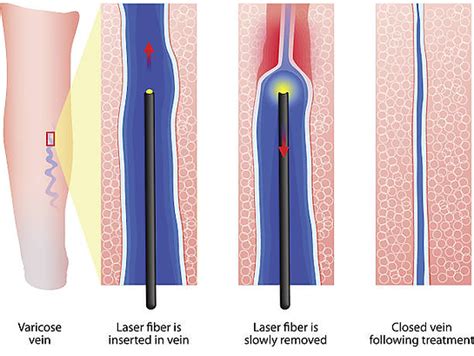
- Endovenous Laser Ablation (EVLT): Uses laser energy to heat and close affected veins.
- Radiofrequency Ablation (RFA): Similar to EVLT, but uses radiofrequency energy to heat and seal veins.
- Sclerotherapy: Involves injecting a foam or liquid solution into the affected vein to cause it to collapse and be absorbed by the body.
Cellulite: A Common Concern
Cellulite is a localized metabolic disorder of the subcutaneous tissue, primarily caused by changes in the lymphatic system. It is an aesthetic issue affecting up to 90% of women and less commonly men, regardless of body weight. It typically localizes to the thighs and buttocks and its occurrence often increases with age.
Cellulite presents as small dimples, bumps, and skin irregularities, commonly found on the stomach, thighs, and buttocks. Women are more frequently affected due to their higher fat cell count and the way fat cells are arranged between collagen ligaments. When these cells swell, they push towards the upper layers of the subcutaneous tissue, reducing blood and lymph flow, leading to the characteristic bumps.
Factors contributing to cellulite include hormones, genetics, lifestyle, lymphatic health, and the structure of subcutaneous fat cells, which differ between men and women. Slim and sporty women can also be affected.
Risk Factors for Cellulite
- Gender: Women are more prone due to connective tissue structure.
- Hormone Level Changes: Prevalent during adolescence, pregnancy, postpartum, and menopause.
- Subcutaneous Cell Arrangement: Women's fat cells are more easily stored between collagen ligaments.
- Lifestyle: Lack of exercise, excess weight, poor hydration, stress, smoking, and excessive alcohol intake can weaken ligaments and contribute to cellulite.
Classifying Cellulite Severity
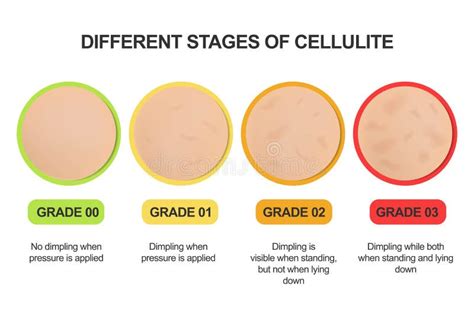
The Nurnberger and Muller scale provides a common classification:
- 1st Degree: Visible only when the skin is pressed together.
- 2nd Degree: Visible while standing, but not when lying down.
- 3rd Degree: Visible both when standing and lying down.
Tips for Reducing Cellulite Occurrence
Lifestyle changes are paramount for sustainable, long-term improvement:
- Balanced Diet: Focus on whole foods, limit simple carbohydrates, salt, saturated fats, processed flour, processed foods, and potential allergens like gluten.
- Adequate Hydration: Drink plenty of unsweetened water or green/black tea.
- Linseeds: Support healthy skin by altering estrogen levels and increasing collagen production.
- Regular Exercise: Sustainable, enjoyable activities that stimulate the lymphatic system, such as cycling, walking, running, swimming, or yoga.
- Movement Breaks: Avoid prolonged sitting; stand up and stretch at least once every hour. Keep legs uncrossed when sitting.
- Lymphatic Massages/Drainage: Stimulate the lymphatic system to aid fluid removal.
- Massage with Special Brushes/Sponges: Supports blood flow and lymphatic drainage.
- Hot and Cold Water Therapy: Alternating between hot and cold water streams massages the skin and promotes blood flow.
- Specialized Cosmetics: Anti-cellulite products should complement a healthy lifestyle, not replace it.
- Dietary Supplements: Certain supplements can help flush excess water, including dandelion leaves, heather flowers, nettles, or sagebrush.
- Acoustic and Electrical Pulses: Devices combining these can disrupt adipose tissue and support lymphatic vessel activity.
The best prevention is a healthy lifestyle, balanced diet, and regular exercise. While cellulite is common and primarily a cosmetic issue, a significant deterioration may indicate underlying problems like poor lymphatic function or venous insufficiency. Listening to your body and seeking medical attention when necessary is important.
tags: #cellulite #blood #circulation