Water, often listed first in cosmetic ingredient lists, is the most common ingredient in skincare products. It is essential for life and serves as a primary solvent and base for many formulations. In cosmetics, the water used is purified and deionized, meaning mineral ions have been removed to ensure product stability and efficacy.
Alcohol Denat., or denatured alcohol, is ethanol mixed with additives. While it has a reputation for being irritating and drying due to its astringent properties that can strip natural oils and constrict pores, it also offers benefits. Its low molecular weight allows for rapid evaporation, aiding in the absorption of other ingredients. Studies on its drying effects are conflicted; some suggest emollients can counteract dryness, while others indicate irritation primarily occurs on already damaged skin. Small amounts are generally tolerated by oily skin or in humid environments. If Alcohol Denat. appears near the end of an ingredient list, its impact on the skin is likely minimal. It also possesses antimicrobial and solvent properties, helping to preserve products and dissolve other components.
Glycerin is a naturally occurring component of the skin that acts as a powerful humectant, drawing moisture to the skin and helping it stay hydrated. Studies have shown it to be more effective than AHAs and hyaluronic acid in this regard. Its low molecular weight allows it to penetrate deeper layers of the skin, improving hydration and strengthening the skin barrier, which protects against irritants and bacteria. Glycerin also exhibits antimicrobial and antiviral properties, making it useful in wound and burn treatments. Typically derived from plants like soybean or palm, it can also be sourced from animals. It is organic, colorless, odorless, and non-toxic. In American English, it is known as glycerin.
Coco-Betaine is the natural derivative of Cocamidopropyl Betaine, often sourced from coconuts. As a surfactant, it effectively removes dirt and oil from the skin.
Lactic Acid is a well-regarded alpha hydroxy acid (AHA) that is gentler than glycolic acid yet highly effective. It exfoliates the skin's surface by loosening the bonds between dead skin cells, revealing smoother, softer, and more even-toned skin. Due to its larger molecular size compared to glycolic acid, lactic acid penetrates less deeply, reducing the likelihood of stinging or irritation, making it suitable for beginners and sensitive skin. It also functions as a humectant, attracting water to the skin for improved hydration, and contributes to the skin's natural moisturizing factor (NMF) as sodium lactate. Research indicates it can enhance ceramide production to strengthen the skin barrier and support a balanced skin microbiome. For optimal results, products should have a pH between 3-4. Lower concentrations (5-12%) focus on surface exfoliation, while higher concentrations (12% and above) can penetrate deeper to improve skin texture and firmness over time. Modern lactic acid used in skincare is predominantly vegan, produced through non-dairy fermentation for stability and suitability in all formulations. When lactic acid is listed near the end of an ingredient list, it typically signifies a small amount used for pH adjustment. Legend has it that Cleopatra bathed in sour milk for its skin-enhancing properties, highlighting lactic acid's exfoliating, hydrating, strengthening, and brightening capabilities.
Sodium Chloride, commonly known as salt, is frequently found in cleansers to create a gel-like texture and act as an emulsifier, preventing ingredient separation. While there is debate about its comedogenic potential, research on its ability to cause acne is divided. Salt is also utilized in scrubs as a primary exfoliating agent.
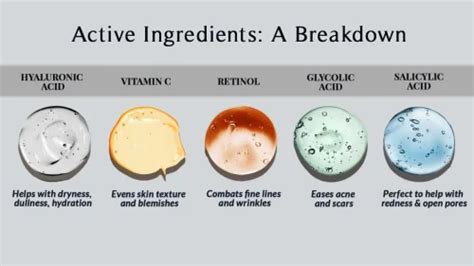
Glycolic Acid is a prominent AHA with extensive research supporting its benefits. Naturally found in sugarcane, the skincare form is typically synthetic for purity and stability. It exfoliates the top layer of dead skin cells, allowing newer cells to emerge. AHAs work by breaking down the "glue" holding old skin cells together, promoting skin renewal. Glycolic acid also stimulates collagen production, contributing to firmer and thicker skin over time, a key advantage over other AHAs. It enhances skin hydration by boosting the natural production of hyaluronic acid. For maximum efficacy and gentleness, glycolic acid products should have a pH between 3-4. Its small molecular size allows for deeper penetration, enhancing effectiveness but also increasing the potential for irritation in sensitive skin. Individuals with very sensitive skin or rosacea may find glycolic acid too potent and may benefit from milder alternatives like lactic acid or PHAs. Recent studies suggest glycolic acid may offer some protection against UV damage, but sunscreen use remains essential due to increased sun sensitivity after exfoliation. Glycolic acid is a versatile skincare ingredient that smooths, brightens, hydrates, and firms the skin.
Glyceryl Glucoside, a combination of glycerol and glucose, functions as a humectant, drawing moisture from the air to hydrate the skin.
Sodium Hydroxide, also known as lye or caustic soda, is used to adjust product pH, which is crucial for ingredient efficacy. In small quantities, it is considered safe, but high concentrations can cause chemical burns due to its alkalinity. Adjusting pH is vital for maintaining the skin's natural pH and acid mantle, which protects against bacteria and retains moisture.
Sodium Benzoate is a synthetic preservative used in both cosmetics and food to prevent the growth of mold and bacteria. Approved by regulatory bodies like the US FDA and the EU Health Committee, it works by inhibiting bacterial growth within cells, preventing sugar fermentation via the enzyme phosphofructokinase. It is the salt of benzoic acid and is found in various food products. Studies on the use of sodium benzoate in cosmetics, particularly in multi-step skincare routines, are limited, and consulting a dermatologist for concerns is recommended.
Sodium Cocoamphoacetate is a mild cleansing agent with excellent foaming properties, derived from coconuts. Its amphoteric structure, with both positive and negative charges, contributes to its gentleness.
Propylene Glycol is a common glycol that enhances product stability, particularly its freeze-thaw properties. It is a widely used cleansing ingredient, milder than sodium lauryl sulfate (SLS) due to its larger water-soluble head, making it less irritating.
Sodium Laureth Sulfate (SLES)** is a cleansing agent often confused with SLS but is milder and less irritating due to its larger water-soluble head. While generally considered safe in cosmetic concentrations, formulas without SLES may be preferable for those seeking exceptionally mild facial cleansers.
Citric Acid, an AHA derived from citrus fruits, has shown less potent skin-improving properties compared to glycolic or lactic acid in comparative studies.
Salicylic Acid** is a key ingredient for treating problem skin. It is pH-dependent and most effective at acidic pH levels (3-5).
Eucerin Radiant Tone Cleansing Gel is formulated with a 2% Exfoliating AHA Complex, combining Lactic Acid and Glycolic Acid, to gently exfoliate dead skin cells and reveal instantly radiant skin. This gel cleanser is gentle enough for daily use, improving skin clarity and boosting radiance with regular application. The soap-free formula effectively removes dirt and makeup. To use, apply the facial wash to fingertips, massage over a wet face and neck, and rinse thoroughly. The product is clinically proven and gentle for daily use. Limit the collective use of Radiant Tone products to four times daily. Precautions include keeping out of reach of children, using only for external purposes, and avoiding contact with eyes.
Key Ingredients and Their Benefits:**
- Hydrating Cleanser: Gently removes dead skin cells, leaving skin instantly radiant.
- Improves Clarity and Radiance: Regular use enhances skin's clarity and glow.
- Gentle Gel Formula: Suitable for daily use.
- Clinically Proven: The formula has undergone clinical testing.
- 2% Exfoliating AHA Complex: Combines Lactic Acid and Glycolic Acid for gentle exfoliation.
Product Details:**
- Item: 2634614
- Sale Price: $18.04
- List Price: $18.99
- Save 5% with subscription orders, cancel anytime.
- Usually ships out in 1-2 days.