Collagen face masks are a popular skincare product, often lauded for their ability to hydrate and improve the skin's appearance. While they don't penetrate deeply enough to rebuild structural collagen, they play a significant role in boosting moisture retention, leading to smoother and more refreshed-looking skin.
Do Collagen Face Masks Really Work?
Yes, collagen face masks can be effective, primarily through deep hydration and temporarily plumping the skin. This process significantly enhances the skin's overall appearance and texture. As explained by Dr. Ellen Marmur, a board-certified dermatologist, "Collagen face masks are designed to deeply hydrate and temporarily plump the skin, improving its appearance and texture." She further clarifies that while the collagen within these masks does not reach the deeper layers of the skin to rebuild structural collagen, their hydrating properties are key to their benefits. They effectively boost moisture retention, making the skin appear smoother and more revitalized.
Can Collagen Masks Stimulate Collagen Production?
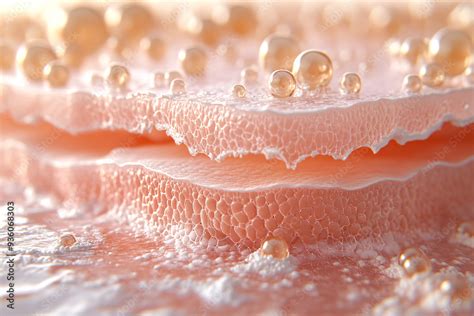
In some cases, collagen masks can indeed stimulate collagen production. This stimulation is dependent on the specific ingredients present in the mask. Dr. Marmur notes, "Masks can help stimulate collagen depending on the ingredients they provide." A prime example of such ingredients are peptides. Alicia Yoon, founder of Peach & Lily, elaborates on their function: "Peptides are short chains of amino acids clinically studied to boost collagen."
Who Should Use Collagen Masks and What Skin Concerns Do They Address?
Collagen masks are generally suitable for almost everyone and can benefit a wide range of skin concerns. Dr. Marmur states, "Dry, rough skin, acne, wrinkles, sun damage, and sensitive skin all usually benefit from soothing masks." This broad applicability has contributed to their popularity. Yoon concurs, highlighting that "Collagen masks are beneficial for all skin types, which makes them easy to use and has contributed to their virality." She also advises paying attention to the specific ingredients in each mask, as formulations can vary significantly.
How to Use Collagen Masks: Application and Frequency
When it comes to using a collagen mask, the general recommendation is to leave the essence on your face unless the product instructions specify otherwise. Dr. Marmur advises, "Most masks are gentle enough to keep the essence on your skin after use." To maximize the benefits, Yoon suggests layering your moisturizer over the remaining essence to help seal it into the skin.
Consistency is crucial for achieving the best results. Dr. Marmur recommends using a collagen mask three times a week for 20-minute sessions. However, Yoon notes that some masks, like her Peach & Lily Glass Skin Ginseng Collagen Mask, are gentle enough for daily use. She personally prefers using them once or twice a week, or whenever her skin needs an extra boost.
Potential Side Effects of Collagen Masks
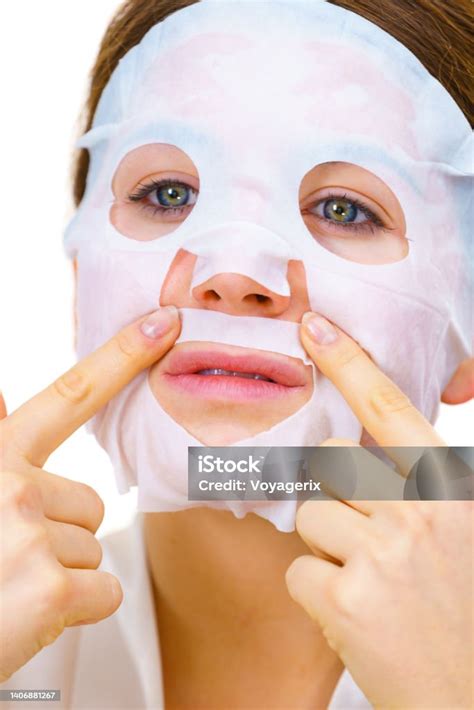
As with any skincare product, there is a possibility of experiencing irritation, particularly for individuals with allergies or sensitive skin. Dr. Marmur cautions, "Some masks can backfire and inflame the skin like any other serum or essence, depending on the person’s allergies or sensitivities." Should you experience any stinging sensation during use, it is important to remove the mask immediately, rinse the skin with warm water, and apply a trusted, simple cream.
Key Ingredients to Look For in Collagen Masks
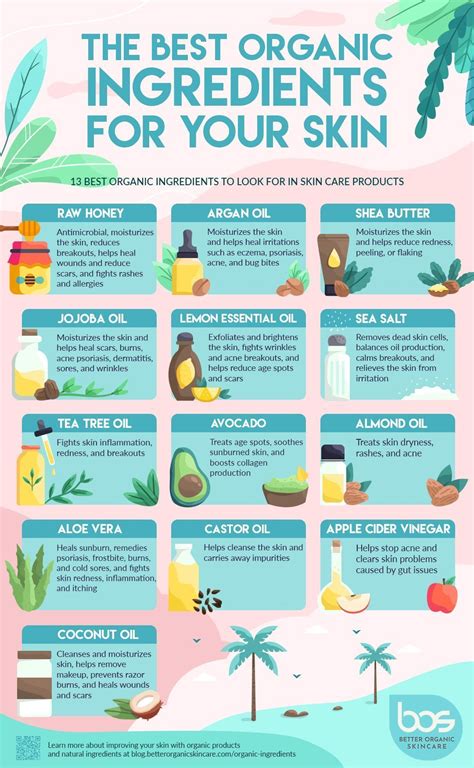
While the term "collagen mask" is common, the effectiveness and specific benefits often stem from other key ingredients that work synergistically with, or in place of, topical collagen. Understanding these ingredients can help you choose the best mask for your skin type and concerns.
Peptides
As mentioned earlier, peptides are short chains of amino acids that are known to signal the skin to produce more collagen. They are a cornerstone ingredient for stimulating collagen synthesis and improving skin firmness and elasticity.
Hyaluronic Acid
Hyaluronic acid is a powerful humectant, meaning it draws moisture from the environment into the skin. This leads to significant hydration, plumping the skin and reducing the appearance of fine lines and wrinkles caused by dehydration.
Ginseng
Ginseng is a well-known adaptogen with antioxidant and anti-inflammatory properties. It can help to revitalize the skin, improve circulation, and protect against environmental stressors, contributing to a brighter and more youthful complexion.
Vitamin C
Vitamin C is a potent antioxidant that not only helps to protect the skin from free radical damage but also plays a crucial role in collagen synthesis. It can brighten the skin, reduce hyperpigmentation, and improve overall skin tone and texture.
Niacinamide (Vitamin B3)
Niacinamide offers a multitude of benefits, including improving the skin's barrier function, reducing inflammation, minimizing the appearance of pores, and regulating oil production. It can also help to fade dark spots and improve skin texture.
The Science Behind Topical Collagen
It is important to understand that collagen molecules are quite large and typically cannot penetrate the skin's outer layer (the stratum corneum) to reach the dermis where structural collagen resides. Therefore, the collagen applied topically in masks primarily acts as a hydrating agent and forms a temporary film on the skin's surface, which can give a plumping and smoothing effect. The true stimulation of collagen production is usually achieved through other ingredients like peptides or by promoting overall skin health and repair mechanisms.
Expert Insights and Testing Methodology
The insights provided in this article are derived from experienced professionals in the field of dermatology and skincare. Experts like Dr. Ellen Marmur, Dr. Justine H. Park, Dr. Jane Yoo, and Alicia Yoon contribute their knowledge. The testing and review process for skincare products, as exemplified by publications like Allure, involves a rigorous examination of ingredients, brand claims, and scientific studies. Products are evaluated across multiple categories including ingredient efficacy, packaging, fragrance, texture, and wear, often with input from dermatologists and a diverse testing panel to ensure comprehensive and reliable assessments.