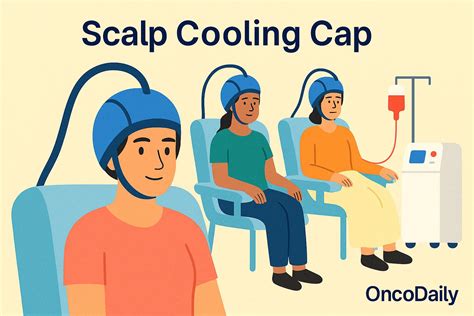
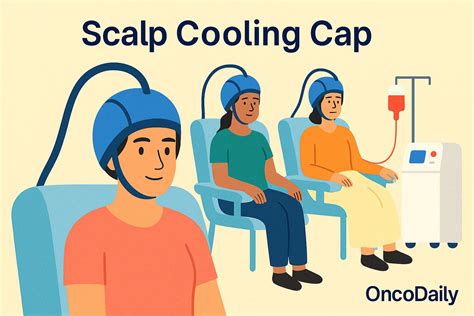
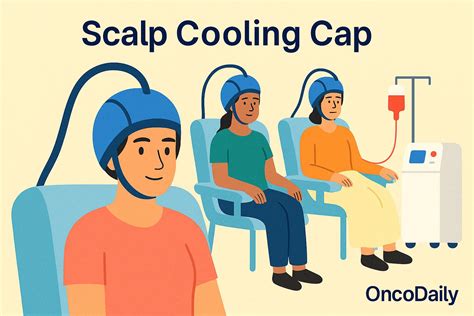
Scalp cooling is a recognized and effective method for reducing chemotherapy-induced alopecia, a common side effect of cancer treatment. This technique has been successfully utilized by thousands of patients globally for many years. The fundamental principle behind scalp cooling is to lower the temperature of the scalp, which consequently decreases blood flow to the area. This reduction in blood flow means that a smaller amount of chemotherapy medication reaches the hair cells. As a result, the hair cells are exposed to a lower dose of the chemotherapy drugs, increasing their chances of surviving the treatment.
For many individuals undergoing chemotherapy, the prospect of hair loss can be a significant emotional burden. Understanding that you are not alone in facing this challenge can provide a great source of strength. Patient testimonials often share their journeys with scalp cooling, highlighting its positive impact.
Understanding Scalp Cooling Therapy
Scalp cooling, also referred to as scalp hypothermia, is a therapeutic approach designed to mitigate hair loss caused by chemotherapy, a condition known as chemotherapy-induced alopecia (CIA). The process involves lowering the temperature of the scalp using a specialized device, often referred to as a "scalp cooling cap" or "cold cap." While these terms are frequently used interchangeably, there are distinctions in how different devices operate.
How Scalp Cooling Works
The primary mechanism of scalp cooling involves reducing the temperature of the scalp. This cooling effect leads to several physiological responses that protect the hair follicles:
- Reduced Blood Flow: Cooling causes the blood vessels in the scalp to constrict. This narrowing of blood vessels decreases the amount of chemotherapy drug that reaches the hair follicles.
- Slowed Cell Activity: The cold temperatures slow down the metabolic activity and cell division within the hair follicles. Since chemotherapy drugs are designed to target rapidly dividing cells, this slowdown makes the hair follicle cells less susceptible to damage.
By reducing the exposure of hair follicles to chemotherapy and slowing their activity, scalp cooling aims to preserve hair and minimize or prevent significant hair loss.
The Scalp Cooling Process
The scalp cooling process typically begins approximately 30 minutes before the chemotherapy infusion starts. The cold cap is worn throughout the entire chemotherapy session and continues for a period afterward, usually around 90 minutes, though the exact duration can vary based on the specific system used and the chemotherapy regimen.
Chemotherapy and Scalp Cooling - What to Expect - USA
Types of Scalp Cooling Systems
There are two main categories of scalp cooling devices available: refrigerated scalp cooling systems and cold caps.
Refrigerated Scalp Cooling Systems
These systems utilize a machine that circulates a cooled liquid or gel through tubes integrated into a cap. This ensures a consistent and controlled low temperature throughout the treatment session. Refrigerated systems are typically found in cancer treatment centers and infusion rooms, where trained staff can assist with fitting and monitoring the cap.
Examples of FDA-cleared refrigerated systems include:
- DigniCap Scalp Cooling System
- Paxman Scalp Cooling System
- Amma Portable Scalp Cooling System
These systems are designed to maintain a steady, safe cooling temperature, offering a reliable method for scalp hypothermia. A healthcare professional will typically fit the cap before the first chemotherapy infusion, and patients will wear it before, during, and after treatment.
Cold Caps
Cold caps, also known as manual cooling systems, do not rely on an automated machine. Instead, they are manually cooled, typically in a specialized freezer or with dry ice, to a very low temperature. Because these caps warm up once applied to the head, they need to be replaced frequently, usually every 20 to 30 minutes, to maintain the necessary low temperature.
This process often requires assistance from a friend, family member, or a dedicated support person to quickly swap the caps and ensure a snug fit. Popular cold cap brands include:
- Arctic Cold Caps
- Penguin Cold Caps
- Chemo Cold Caps
- Wishcaps
While cold caps are generally less expensive upfront compared to automated systems, they are not FDA-cleared. However, many individuals find them effective when used correctly and with proper support.
Effectiveness of Scalp Cooling
Research indicates that scalp cooling can be effective in helping many patients retain some or most of their hair during chemotherapy. However, the degree of success can vary significantly based on several factors:
- Type and Dose of Chemotherapy: Certain chemotherapy drug regimens are more likely to cause hair loss than others. Scalp cooling tends to be more effective with taxane-based chemotherapy and lower doses of certain drugs. For example, studies have shown higher success rates with taxane regimens (e.g., docetaxel, paclitaxel) compared to anthracycline regimens (e.g., doxorubicin).
- Hair Type and Texture: While research is ongoing, some observations suggest that thinner or straighter hair may cool more evenly and respond better. Thicker, wavy, or curly hair can sometimes make it challenging to achieve a tight seal with the cap, potentially reducing effectiveness. Specific considerations may apply to Black women to ensure optimal cap fit.
- Age: Some studies suggest that younger individuals may experience better results with scalp cooling, possibly due to hair becoming more brittle with age. However, age is not the sole determinant of success, and many older adults still achieve positive outcomes.
- Cap Fit: A snug and proper fit of the cooling cap is crucial for effectiveness. Caps that are not fitted tightly have been associated with increased hair loss.
A significant study in the Netherlands involving over 7,000 participants using Paxman and DigniCap systems found that 56% of participants did not wear a head covering, and 53% reported minimal hair loss. The success rates varied by chemotherapy type, with taxane regimens showing a 78% success rate and anthracyclines around 40%.
It is important for patients considering scalp cooling to discuss their specific chemotherapy regimen and expected outcomes with their oncology team.
Caring for Your Hair During Scalp Cooling Therapy
Gentle hair care practices before, during, and after chemotherapy treatment can help minimize breakage and support new hair growth. Experts recommend:
- Avoiding Chemical Treatments: Refrain from dyeing, bleaching, perming, or relaxing your hair.
- Removing Extensions and Braids: These can interfere with the cap's fit and effectiveness.
- Using Mild Products: Opt for sulfate-free, fragrance-free shampoos and conditioners.
- Washing Less Frequently: Washing hair once or twice a week is often sufficient.
- Air Drying: Avoid heat styling tools like blow dryers and flat irons.
- Gentle Detangling: Use a wide-tooth comb or soft brush, starting from the ends.
After chemotherapy concludes, continue gentle hair care for approximately two months as the scalp and follicles recover. Hair may initially regrow with a different texture or color, which typically normalizes over time.
FDA Oversight and NCCN Guidelines
The U.S. Food and Drug Administration (FDA) reviews and clears medical devices intended for treating or managing side effects of cancer therapy, including hair loss prevention. FDA-cleared refrigerated systems include the DigniCap, Paxman, and Amma Portable Scalp Cooling Systems. While manual cold caps are not FDA-cleared, they can still be used effectively under the guidance of a care team.
In 2022, the National Comprehensive Cancer Network (NCCN) added scalp cooling to its breast cancer treatment guidelines as a Category 2A recommendation, signifying strong expert agreement on its efficacy in preventing chemotherapy-related hair loss.
Potential Side Effects and Considerations
Scalp cooling is generally considered safe, with side effects being rare and typically manageable. The most common side effects include:
- Cold-induced headaches
- Neck and shoulder discomfort
- Scalp pain
- Forehead pain
- Dizziness
- Nausea
Some individuals may feel cold during treatment, so dressing warmly and using blankets is advisable. People using manual cold caps may experience more intense cold compared to those using refrigerated systems. Discomfort is often most pronounced in the initial minutes of treatment and tends to lessen as the body adjusts.
It is important to note that scalp cooling is not recommended for all patients. Individuals with certain types of leukemia, lymphoma, or multiple myeloma, as well as pediatric patients, may not be suitable candidates. The effectiveness and safety in children under 18 have not been extensively studied.
There was a theoretical concern that scalp cooling might prevent chemotherapy from reaching potential cancer cells that have metastasized to the scalp. However, scalp metastases are rare, particularly in breast cancer, and studies have generally shown no adverse impact on cancer survival or an increased risk of scalp metastasis.
Paying for Scalp Cooling Treatment
The cost of scalp cooling can vary depending on the system used, the number of chemotherapy sessions, and the duration of treatment. Manual cold caps typically range from $380 to $450 per month, plus shipping. Scalp cooling systems can cost between $2,000 and $2,200 for a full course of chemotherapy, with some centers charging additional facility fees.
Insurance coverage for scalp cooling is becoming more prevalent. Starting January 1, 2026, Medicare will cover mechanical (automated) scalp cooling. Many private insurance companies are beginning to offer coverage or reimbursement, and some states mandate coverage for these systems. Patients are encouraged to check with their individual health insurance providers for specific policies.
Financial assistance may be available through the medical center or clinic, as well as through non-profit organizations like the Hair to Stay Foundation and Sharsheret, which offer need-based grants. The Rapunzel Project is another organization dedicated to helping patients access and utilize scalp cooling technology.

Ultimately, the decision to pursue scalp cooling should be made in consultation with a cancer care team, weighing the potential benefits, discomforts, and risks involved.