Maintaining optimal joint health is paramount for horses, whether they are competitive athletes or cherished companions. Factors such as turnout, riding, driving, footing conditions, and anatomical imperfections can all contribute to increased compression and wear on a horse's joints. As horses age, their natural ability to produce vital joint components diminishes, making supplementation a crucial consideration for prolonging joint life and function.
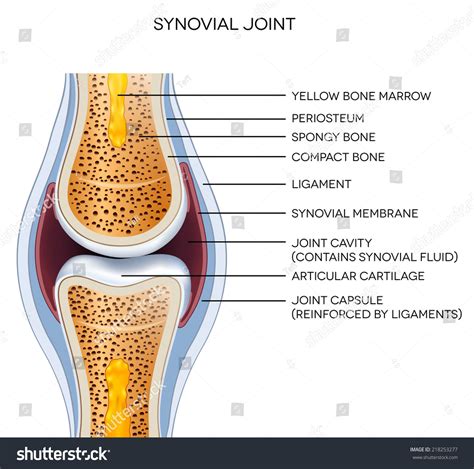
Understanding Hyaluronic Acid in Equine Joints
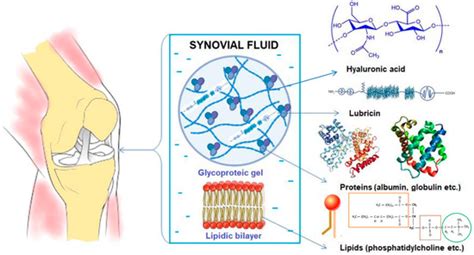
Hyaluronic Acid (HA), also known as hyaluronan or HA, is a remarkable mucopolysaccharide glycosaminoglycan (GAG) naturally found in connective tissues, synovial fluid, and cartilage. It is one of nature's most effective moisturizers, possessing an exceptional ability to bind water. This high water-binding capacity is crucial for maintaining joint lubrication and shock absorption.
In a horse's body, HA is a key constituent of synovial fluid, the natural lubricant that bathes and cushions the joints and cartilage. This fluid mimics the oil in a car engine; just as engine oil breaks down with heat and friction, HA in a horse's body can degrade over time due to natural aging, activity, and exposure to environmental factors like pollutants and sunlight. This breakdown can lead to joint stiffness and discomfort.
HA functions by:
- Maintaining the viscosity of synovial fluid, ensuring joints remain lubricated and flexible.
- Reducing friction between cartilage surfaces.
- Providing a barrier to inhibit cells and larger molecules from entering the joint.
- Facilitating the transport of nutrients into cells and the removal of metabolic waste.
The Impact of Age and Activity on Equine Joints
As horses age, their bodies naturally produce less Hyaluronic Acid. This reduction makes it increasingly difficult to replenish what is lost, contributing to the gradual deterioration of joint health. Similarly, high levels of activity, especially in disciplines like racing, jumping, or dressage, place significant stress on equine joints. This repetitive stress can accelerate the breakdown of cartilage and joint lubrication, potentially leading to long-term damage and conditions like osteoarthritis.
Osteoarthritis (OA) in horses can manifest through early signs such as synovitis (inflammation of the synovial membrane), mild inflammation, pain, and associated lameness. As the condition progresses, degeneration of cartilage occurs, the joint capsule may fibrose, leading to stiffness and further wear, eventually resulting in cartilage erosion and bone exposure.
Therapeutic Uses of Hyaluronic Acid for Horses
The therapeutic use of exogenous HA has become a valuable tool in veterinary medicine for managing equine joint issues. While the exact mechanisms of action are still being researched, it is theorized that HA can:
- Replace reduced or altered HA, restoring barrier and lubricant functions.
- Trigger endogenous HA production.
- Inhibit damaging chemicals that cause joint inflammation.
HA can be administered to horses in several ways:
1. Injectable Hyaluronic Acid
Injectable HA, often administered directly into the affected joint (intra-articular, IA) or intravenously (IV), is considered highly effective. This method delivers the substance directly to the site where it is needed, potentially providing immediate relief and lubrication. Studies have shown significant improvements in lameness scores following IA injections, with some reporting 80-99% improvement.
2. Oral Hyaluronic Acid Supplements
Oral HA supplements, available in forms like powders, pellets, pastes, or liquids, offer a convenient and less invasive option for ongoing joint support. These supplements are absorbed through the digestive system. While the efficacy of oral HA has been a subject of debate due to potential degradation during digestion, emerging research and anecdotal evidence suggest potential benefits. Products like Hyalun® Pro are designed for easy oral administration, providing a measured dose of pure hyaluronic acid.
Hyalun® Pro is a liquid oral solution designed to support healthy joint movement. It is available in different sizes, including Hyalun® Pro 90, which provides a 90-day supply. The supplement utilizes a patented Hyalun®Pro formulation with high-molecular weight hyaluronic acid, aiming for optimal benefits.
How to Give a Horse Oral Medications
3. Topical Hyaluronic Acid
Topical creams or gels containing HA can be applied directly to the skin over the affected joint. While less potent than injectable or oral forms, they may offer some relief for mild joint discomfort or stiffness.
The Debate on Oral Hyaluronic Acid Efficacy
While intra-articular and IV administration of HA have considerable research and clinical history, the effectiveness of orally administered HA for horses is still debated. Some studies, like one by Scott W. Pierce, DVM, suggest that oral HA can increase serum HA levels, particularly with daily supplementation. Another study by Pierce and colleagues indicated that oral hyaluronan gel reduced post-operative tarsocrural effusion in yearling Thoroughbreds. Furthermore, research presented at the FASEB meeting provided evidence for the uptake of oral high molecular weight HA into connective tissues in rats and beagle dogs.
However, some experts, such as Charles Nissen, MD, suggest that hyaluronic acid itself may not be absorbed when taken orally and is therefore primarily limited to injectable forms. Dr. Bob Schneider, DVM, also noted that while HA (IV and IA) likely has its greatest benefit early in the disease course, there is currently limited data to support the effectiveness of oral HA.
It is important to note that Glucosamine is a precursor to Hyaluronic Acid. Glucosamine must combine with glucuronic acid to create HA. Sometimes, the body struggles to join these molecules, hindering HA production. While glucosamine supplements are often recommended, their direct impact on HA production in horses is not fully established.
Choosing the Right Hyaluronic Acid Product
When selecting an HA product for your horse, consider the following:
- Formulation: Decide if injectable, oral, or topical is most suitable.
- Purity and Quality: Opt for high-quality, pharmaceutical-grade HA.
- Molecular Weight: While debated, some products emphasize high-molecular weight HA for potentially better lubrication.
- Additional Ingredients: Some supplements include glucosamine, chondroitin sulfate, or MSM for comprehensive joint support.
- Brand Reputation: Choose products from reputable manufacturers with strict quality control.
It is crucial to consult with your veterinarian before starting any new supplement regimen to ensure it is appropriate for your horse's specific health needs and conditions.
tags: #equine #hyaluronic #acid