Subtle changes can make a striking difference in aesthetic dermatology, and Masseter Botox is one of the most buzzed-about treatments available today. This procedure targets the thick, rectangular muscle along the jawline responsible for chewing. When this muscle becomes overactive or enlarged, it can create a wide, square-shaped jaw. By injecting Botox directly into the muscle, a reduction in its size and activity can be achieved, leading to a slimmer, more contoured facial appearance.
Initially used to address medical conditions like TMJ problems and teeth grinding, Masseter Botox has gained increased recognition for its aesthetic benefits. Botox, derived from a purified version of botulinum toxin, temporarily blocks the nerve signals that cause muscles to contract. Reduced activity gradually diminishes the masseter muscle’s size over time.
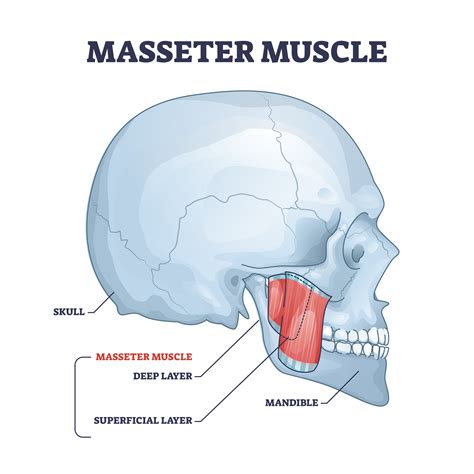
Understanding the Masseter Muscle and Its Impact on Facial Shape
The masseter muscle is located at the angle of the jaw and is crucial for chewing and clenching. In some individuals, this muscle can become naturally large or overdeveloped due to habits such as grinding (bruxism), frequent jaw tension, or even chewing gum. This condition, known as masseter muscle hypertrophy (MMH), can lead to a widening of the lower face, resulting in a square or bulky appearance.
Apart from traditional surgical approaches, botulinum toxin type A (BTA) injection, commonly referred to as Masseter Botox, offers a non-invasive treatment option for MMH. Research studies, including those found in databases like Cochrane Library and PubMed, have confirmed that BTA injection is a safe and effective treatment for MMH, contributing to lower face contouring.
How Masseter Botox Works for Facial Slimming
Masseter Botox involves injecting small amounts of botulinum toxin into the masseter muscles. These muscles are responsible for chewing and can become enlarged from habits like clenching, grinding, or frequent gum chewing. Over time, this muscle growth can change your facial shape and cause symptoms like jaw tension or headaches.
Botox works by temporarily relaxing the masseter muscles. As the muscles shrink from decreased use, the lower face becomes softer and can achieve a more V-shaped appearance. This is especially popular among patients seeking facial slimming or relief from jaw discomfort.
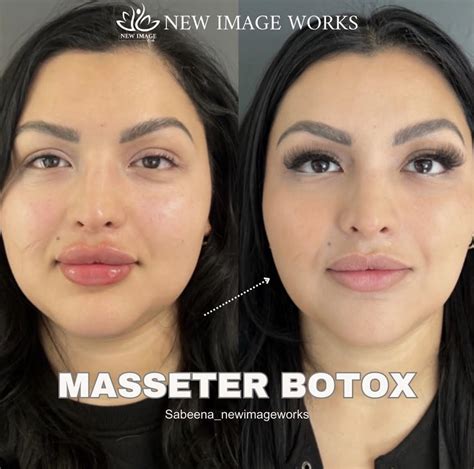
The result is a more tapered, heart-shaped, or V-line facial appearance over time, visibly contouring the jawline by relaxing and reducing the size of the masseter muscles.
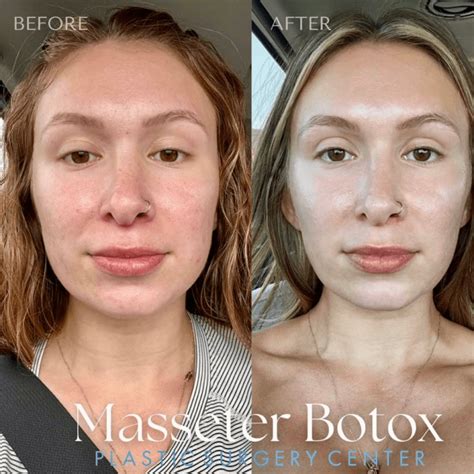
Who Is a Good Candidate for Masseter Botox?
Masseter Botox is an excellent option for adults seeking aesthetic enhancement and therapeutic relief. Ideal candidates are generally:
- Adults 18 years or older.
- In good general health.
- Not pregnant or nursing.
- Free from neuromuscular conditions such as myasthenia gravis.
- Individuals with a square or bulky jawline caused by muscle, not bone.
- Those experiencing jaw tension, teeth grinding, or TMJ discomfort.
- Anyone seeking facial contouring without surgery.
- People desiring a more feminine or heart-shaped facial profile.
This treatment is safe for both men and women, and results are customized based on individual anatomy and goals. It is crucial to have realistic expectations about the results, understanding that the effects are subtle and develop over time.
The Procedure: What to Expect
The Masseter Botox procedure is short and minimally invasive. A healthcare provider will carefully map the masseter muscle to ensure precise placement of the injections, targeting only the necessary areas to achieve slimming without affecting natural facial movement.
During the procedure, you will be asked to clench your jaw to reveal the boundaries of the muscle. Depending on the size of the muscle and the desired result, a specific number of units of Botox will be injected per side using a tiny needle. The injections are carefully positioned for uniform distribution and efficient muscular relaxation.
The entire procedure typically takes about 10 to 15 minutes. Most people find it very tolerable, and no numbing is usually needed. Minimal discomfort may be experienced, similar to a slight pinch during the injections.
Injecting Botox in Masseter Muscles | Slim your face and relieve TMJ pain! Dr. Simona Bartos
Results and Recovery
Downtime: There is generally no downtime associated with Masseter Botox. You can return to work or normal activities right away.
Results: Subtle changes begin to appear around 2 to 4 weeks after the treatment. The maximum slimming effect is typically seen by 8 to 12 weeks. The results are gradual, with the muscle gradually shrinking from decreased use, leading to a softer and more contoured lower face.
Duration: Results typically last for about 4 to 6 months, and sometimes longer with consistent, repeat treatments. The longevity of the results can depend on factors such as the individual's metabolism, the dosage used, and the consistency of treatments. With more frequent treatments, the masseter muscle may atrophy further, potentially leading to longer-lasting results.
Maintenance: Many patients find that returning for treatments twice a year helps maintain their desired results.
Factors Affecting Longevity
- Dosage: Higher units of Botox may lead to longer-lasting results.
- Metabolism: A faster metabolism can sometimes lead to the Botox wearing off more quickly.
- Consistency: Initial results may wear off sooner, but longevity often builds with subsequent treatments.
- Technique: The precision and technique of the injector play a significant role in the outcome and duration.
Benefits of Masseter Botox
Masseter Botox offers a range of benefits beyond just aesthetic enhancement:
- Slimmer, softer jawline: Creates a more contoured and less square appearance.
- Non-surgical and quick: A minimally invasive procedure with minimal discomfort.
- Relief from jaw tension and teeth grinding: Effectively treats bruxism and associated symptoms.
- No downtime: Allows for immediate return to daily activities.
- Long-lasting results: Benefits can be maintained with consistent treatments.
- Can help with TMJ pain: Alleviates discomfort associated with temporomandibular joint disorders.
- May help with tension headaches or migraines: Reducing masseter hyperactivity can ease referred pain.
- Improves facial symmetry: Can correct imbalances caused by asymmetrical muscle development.
Common Questions About Masseter Botox
Will it affect my ability to chew?
No. The goal is to reduce muscle bulk, not to stop normal function. You might experience mild fatigue when chewing tough foods initially, but this typically resolves quickly. The treatment is designed to relax overactive muscles, not eliminate function.
How many units will I need?
The number of units required varies depending on the strength and size of your masseter muscles. On average, providers may use 20 to 40 units per side. Your provider will assess your anatomy and recommend a tailored dose to achieve your desired results safely.
Is it safe?
Yes, Masseter Botox is considered safe when performed by an experienced, board-certified dermatologist or qualified medical professional. Side effects are rare and usually mild, such as tenderness or minor bruising at the injection site. Choosing a reputable provider with advanced training in facial anatomy is crucial.
Will my face go back to normal after the effects wear off?
Yes. Masseter Botox is temporary by nature. Once the effects of the Botox wear off, your masseter muscle will begin to regain its strength and size. This process takes time, and like any underused muscle, it needs activity to rebuild volume. You are not stuck with your results forever.
Does Masseter Botox eliminate my jawline?
No, Masseter Botox does not eliminate your jawline. The effects are typically a subtle slimming of the jawline. The treatment is only effective for slimming the face if the masseter muscle is hypertrophic (enlarged). If you have a normal-sized masseter muscle, you may not notice significant changes in jawline shape.
What to avoid after treatment?
To ensure optimal results and recovery, it is generally advised to avoid:
- Facial massage or lying flat for at least 4 hours after the appointment.
- Heavy workouts or hot yoga for 24 hours.
- Chewing very tough foods if your jaw feels sore during the first few days.