As women age, hormonal changes, particularly declining estrogen levels, can significantly impact skin health. The question of whether estrogen cream can be applied to the face is a valid one, and the answer is yes. Estrogen face creams, especially those containing estradiol or estriol, offer potential benefits such as restoring moisture, improving skin thickness, and reducing the appearance of fine lines and wrinkles.
During menopause, a natural decline in estrogen levels leads to skin that typically becomes thinner, drier, and more susceptible to wrinkles. Estrogen creams aim to counteract these effects by replenishing the hormone locally.
Understanding Estrogen Types: Estriol vs. Estradiol
Estriol and estradiol are specific types of estrogen. Estradiol is generally considered stronger and more effective than estriol. While both are primarily used to treat vaginal dryness associated with menopause, they can also be applied to the face for dermatological benefits.
Studies involving women with aging skin symptoms who applied low-dose estradiol or estriol for several months showed positive results. Importantly, these applications did not lead to significant systemic hormonal side effects, with only a slight increase in prolactin levels noted in some participants. This suggests that topical application can be beneficial without causing widespread hormonal disruption.
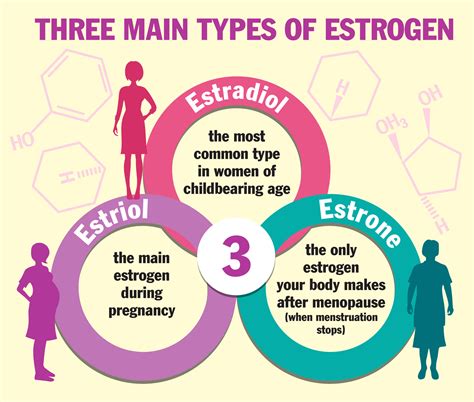
Types of Estrogen Creams for Facial Use
When considering estrogen face creams, several types are available, each with distinct properties and potential benefits:
Low-Dose Estriol Formulas
For those seeking the best estrogen facial cream, opting for low-dose estriol formulas is often recommended, especially when starting. These can provide skin benefits with minimal systemic absorption of the hormone.
Over-the-Counter Phytoestrogen Creams
These creams contain plant-based estrogen-like compounds, such as isoflavones (e.g., genistein), which are designed for mature skin. Phytoestrogens mimic estrogen by interacting with estrogen receptors and may benefit skin aging, collagen synthesis, and menopausal symptoms, though their potency is generally weaker than synthetic estrogens.
Methyl Estradiolpropanoate (MEP) Creams
MEP is a newer type of estrogen cream considered a "soft estrogen." It is metabolized into an inactive compound within the skin, meaning it does not affect overall hormone levels in the body.
Choosing and Using Estrogen Facial Creams
When selecting an estrogen face cream for wrinkles, it's advisable to look for products free from parabens and synthetic fragrances to minimize the risk of irritation. Choosing the right formulation is key:
- Estriol Face Cream: A gentler form of estrogen, suitable for many users.
- Estradiol Face Cream: May be chosen for a stronger effect, if recommended by a healthcare provider.
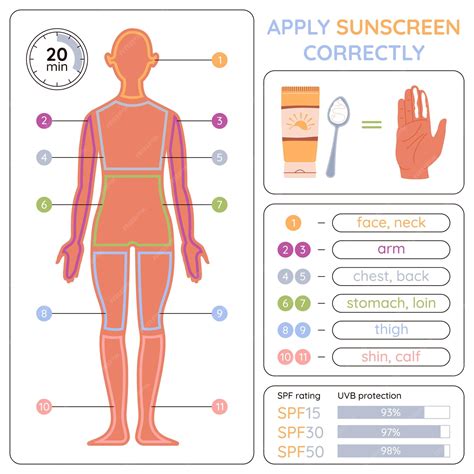
Application should be done sparingly, with a pea-sized amount typically sufficient for the face. It is best applied to clean, dry skin, often at night to enhance absorption.
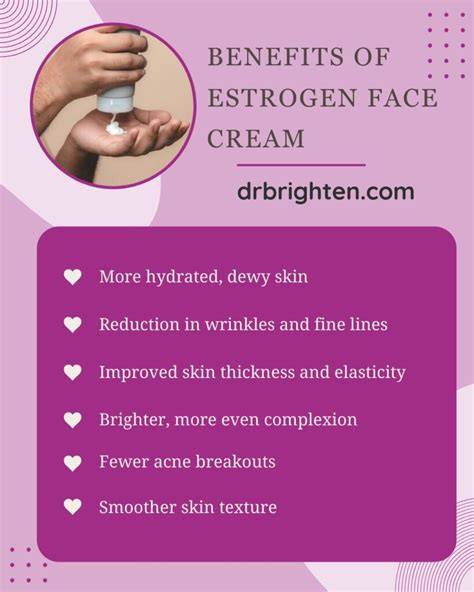
Potential Benefits of Estrogen Cream on the Face
Estrogen plays a crucial role in maintaining skin's lubrication, thickness, and elasticity. As estrogen levels decline, skin can become drier, less firm, and more prone to wrinkles.
Estrogen face creams aim to address these issues by:
- Restoring Moisture: Counteracting dryness caused by reduced estrogen.
- Improving Skin Thickness: Helping to restore a fuller, more robust skin structure.
- Reducing Fine Lines and Wrinkles: By improving skin elasticity and collagen production.
- Enhancing Elasticity: Making the skin appear more supple and less prone to sagging.
Research suggests that topical estriol cream, when used consistently, may improve skin elasticity, firmness, hydration, and reduce the appearance of wrinkles and blood vessels. Some studies have also indicated an increase in collagen production in facial skin after treatment with topical estrogen.
Safety, Precautions, and Potential Side Effects
While estrogen creams can offer benefits, it is crucial to be aware of potential risks and precautions. Estrogen plays a complex role in the body, and its use requires careful consideration and medical supervision.
Medical Supervision is Essential
It is imperative that a doctor monitors your progress at regular intervals (every 3 to 6 months) to ensure the medicine is working correctly and to check for any unwanted effects. This may include pelvic exams, breast exams, and mammograms.
Risks and Contraindications
- Pregnancy: Using estrogen cream during pregnancy can harm the unborn baby.
- Blood Clots, Strokes, and Heart Attacks: Estrogen use may increase the risk of these serious conditions, especially for individuals with pre-existing risk factors like high blood pressure, high cholesterol, diabetes, or those who are overweight or smoke.
- Cancer Risk: Long-term use may increase the risk of breast, endometrial, or ovarian cancer. It should not be used if you have had a hysterectomy.
- Dementia: Increased risk of dementia, particularly in women aged 65 and older.
- Gallbladder Disease: Potential increased risk.
- Other Serious Effects: Contact your doctor immediately if you experience confusion, difficulty speaking, double vision, severe headaches, or sudden vision changes.
Important Considerations
- Do not use if you have a history of estrogen-dependent cancers or a history or risk of blood clots.
- Do not use if you are pregnant or breastfeeding.
- Avoid applying to open skin or areas with skin diseases.
- Do not use prescription creams intended for vaginal use on your face.
- Be aware of potential drug interactions; discuss all medications and supplements with your doctor.
Estrogen Cream vs. Other Anti-Aging Treatments
While estrogen creams show promise for addressing signs of aging, it's important to note that other well-established treatments may offer more robust or proven benefits for facial skin.
- Topical Retinoids: Increase skin cell turnover and reduce signs of aging.
- Vitamin C: Promotes collagen synthesis and acts as an antioxidant.
- Alpha Hydroxy Acids (AHAs): Exfoliate the skin and can improve texture and tone.
- Sunscreen: Broad-spectrum sunscreen (SPF 30 or higher) is crucial for preventing sun damage and premature aging.
Dermatologists often emphasize that while estrogen creams might play a role in a skincare regimen, ingredients like retinoids and sunscreen have stronger scientific backing for rejuvenating facial skin.
Cost and Accessibility
The cost of estrogen creams can vary significantly, with prescription-strength options generally being more expensive than over-the-counter cosmetic products. Some compounded topical options can range from approximately $90 for a 30-day supply to $149 for a 90-day supply, depending on the formulation and provider.
It is important to note that authentic and safe estrogen creams typically require a prescription from a healthcare provider. Over-the-counter cosmetic products containing phytoestrogens are not regulated by the FDA in the same way as prescription medications, making their efficacy and safety less certain.