People consider mole removal for a variety of reasons. Some moles may cause discomfort or raise concerns about potential health issues, while others are removed purely for aesthetic purposes. Any mole, regardless of its location, can potentially become a concern, but all moles can be removed.
Medical and Cosmetic Reasons for Mole Removal
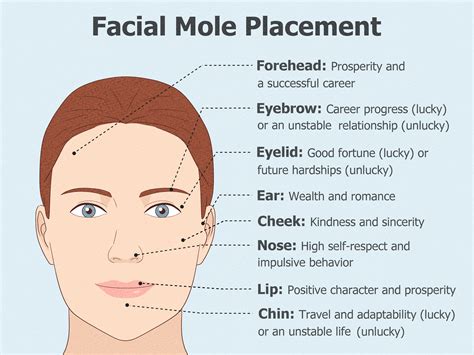
Medically, there is a concern about some moles being cancerous. Other moles may be clearly benign (not cancerous) but cause irritation. For example, a mole might become irritated, bleed, or even infected after being scratched or nicked while combing hair. However, many individuals also seek mole removal for cosmetic reasons. Moles can be disfiguring, particularly when located on the face, as they can distort facial features and draw unwanted attention. The distraction caused by a mole can impact social interactions, leading others to stare at the mole instead of making eye contact during conversations. While facial moles are most commonly removed, moles on other areas, such as the back, can also be problematic, especially if they grow large enough to create discomfort under clothing.
Insurance Coverage and Medical Necessity
When there is a medical reason for removing a mole, insurance typically covers the procedure. The cost of mole removal with insurance varies depending on the specific plan and whether the deductible has been met. If the deductible has not been met, the mole removal procedure will count towards it.
Factors Influencing Cosmetic Mole Removal Costs
The cost of mole removal for cosmetic reasons is influenced by the complexity of the mole and the difficulty of its removal. If friends or family suggest having a mole checked, it is advisable to consult a dermatologist promptly. Similarly, any noticeable changes in a mole warrant professional examination. It is crucial not to attempt self-diagnosis or removal, as moles can be linked to cancer, and attempting removal at home can lead to infection, scarring, and incomplete removal, increasing the risk of complications.
Professional Mole Removal Methods
Dermatologists offer several safe and effective methods for mole removal. The chosen method depends on the nature of the lesion, its size, depth, and location, as well as whether cancer is suspected. A consultation with a dermatologist is essential to determine the most appropriate removal method based on clinical findings.
Common Mole Removal Techniques:
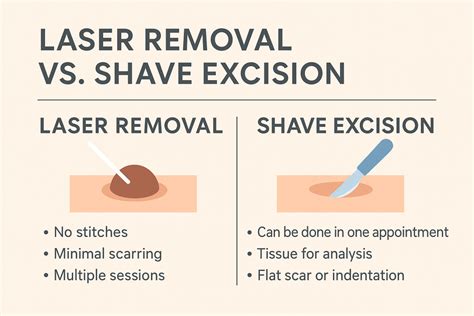
- Shave Excision: This is a common method for removing lesions that protrude from the skin's surface. The doctor shaves the mole flush with the skin, similar to cutting a mushroom from its stem. This method may or may not include a pathology examination.
- Cryotherapy (Freezing): Commonly known as “freezing,” this method uses liquid nitrogen and is often used for removing flat or scaly patches, including precancerous flat lesions.
- Surgical Excision: This involves cutting out the mole with a scalpel and may include a margin of healthy skin to ensure complete removal of mole cells. The wound is then closed with stitches.
- Punch Excision: A specialized circular tool is used to cut out the mole, and the skin may be sutured if necessary.
- Laser Removal: Bursts of focused light are used to break down mole tissue. This is often used for cosmetic purposes.
Understanding the Costs Associated with Mole Removal
The average cost of mole removal can range significantly, typically from $150 to $500 per mole. This cost is influenced by several factors:
Key Cost Factors:
- Insurance Coverage: Procedures deemed medically necessary are usually covered by insurance, while cosmetic removals are generally not.
- Mole Size: Larger moles require more extensive treatment and can increase the cost.
- Number of Moles: Removing multiple moles will naturally increase the overall cost and may require multiple visits.
- Mole Location: Moles in delicate or hard-to-access areas may incur higher costs due to the increased precision required.
- Removal Method: Different techniques have varying costs; for example, cryotherapy is often less expensive than surgical excision.
- Pathology Fee: A pathology exam to determine if the mole is cancerous can add $50 to $200 or more to the total cost.
- Geographic Location: Prices can vary significantly based on the cost of living and the number of dermatologists in a particular area.
For cosmetic mole removal, specific price ranges can be observed. For instance, liquid nitrogen (LN2) treatment or other destruction methods might start around $200, while shave excisions can cost approximately $300 per mole. Lesions on the genitals may start at $360.
Consultation and Biopsy Costs:
A dermatologic consultation is a prerequisite for determining the removal method. Consultation fees can range from $198 for existing patients to $255 for new patients. If a biopsy is recommended, the cost starts at $300 per biopsy, which includes pathologist charges and can vary by anatomical location. Additional excision costs will be discussed if further treatment is needed based on biopsy results.
What is the Best Treatment for Mole Removal ! Mole removal in Delhi | Mole removal by Laser
Types of Moles and When to Seek Professional Help
Moles are common skin growths that can be benign, cancerous, or borderline. Understanding the different types of moles is important:
Common Mole Types:
- Common/Acquired Moles: These are harmless, benign moles that typically appear in childhood. Most adults have 10 to 40 common moles.
- Congenital Moles: Present at birth, these moles occur in about 1 in 100 people and have a slightly higher risk of developing into melanoma, especially if large.
- Atypical Moles (Dysplastic Nevi): These have irregular shapes, uneven coloring, and are larger than 5 mm. They often appear in sun-exposed areas and require close monitoring.
- Spitz Moles: Benign moles that can resemble melanoma, often appearing as round, pink bumps in childhood.
It is crucial to monitor moles for any changes, such as the "ABCDE" signs of melanoma (Asymmetry, Border irregularity, Color variation, Diameter larger than 6 mm, Evolving/Changing). If a mole shows any suspicious characteristics or if you develop new moles after age 30, it is essential to consult a dermatologist immediately.
The Mole Removal Procedure and Healing Process
Mole removal is typically a quick outpatient procedure. Before removal, the area is cleaned, and local anesthesia is administered to minimize discomfort. The procedure itself may involve a slight pinch or discomfort during anesthesia injection or the removal process. Most patients can drive themselves home and return to work or school immediately after the procedure.
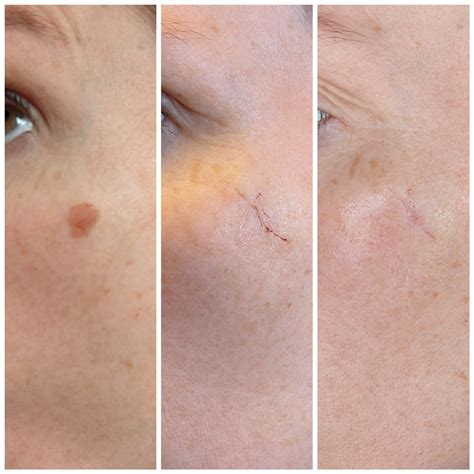
Healing time varies by method. Shave excisions usually heal within a few weeks, while surgical excisions may take longer. During the initial healing phase, redness, itching, and discomfort are common. Following post-procedure care instructions, including daily cleaning, keeping the area moist, and changing bandages as directed, is vital for proper healing and infection prevention. The skin can remain red for weeks to months after healing, and sun protection is recommended to prevent pigmentary changes to the scar.
Safety and What to Avoid
It is strongly advised never to attempt to remove a mole yourself. Self-removal methods can lead to infection, scarring, incomplete removal, and potentially overlook signs of skin cancer. If you are concerned about a mole, always seek professional help from a qualified dermatologist. For those concerned about the appearance of benign moles, makeup can be used for concealment.
Finding a Dermatologist for Mole Removal
When seeking a dermatologist for mole removal, consider the following tips:
- Ask your primary care doctor for recommendations.
- Look for a dermatologist specializing in mole removal.
- Read online reviews from other patients.
- Confirm the dermatologist is board-certified.
- Verify that the dermatologist accepts your health insurance or inquire about payment options and discounts if uninsured.
- Ask about the costs for the visit, procedure, and any necessary tests.
Key questions to ask your dermatologist include whether the mole needs removal, if it's cancerous, the recommended removal method and its rationale, potential scarring, risks involved, expected healing time, and the need for follow-up visits.