Hair serums are specialized styling products designed to address various hair concerns by coating the hair's surface. Their formulations vary, allowing them to impart shine to dull hair, reduce frizz, and offer protection against heat styling.
Choosing the right hair serum is beneficial for addressing specific hair types and concerns. This article delves into hair serums, exploring their advantages and providing guidance on their effective application.
What is Hair Serum?
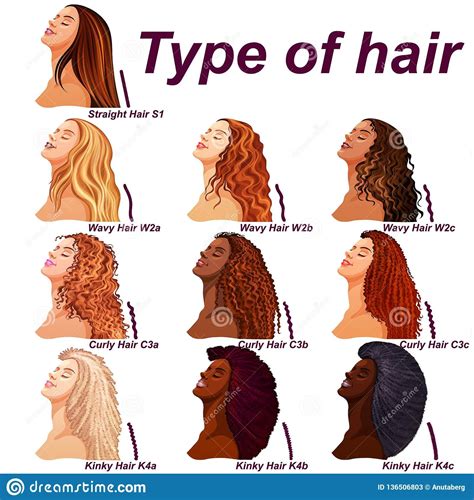
Hair serum is a styling product that forms a coating on the hair's surface, delivering a multitude of benefits. Different hair serums are formulated to suit a variety of hair types, ranging from coarse to fine textures. Typically, hair serums contain silicones and nourishing active ingredients such as:
- Argan oil
- Jojoba oil
- Sunflower oil
- Onion seed oil
- Moringa oil
- Aloe vera
- Vitamin E
- Rose water
- Sweet almond oil
- Virgin coconut oil
Benefits of Using Hair Serums
Hair serums offer a wide array of advantages for hair health and appearance:
1. Adding Shine
One of the primary benefits of hair serums is their ability to revitalize dry, dull-looking hair. They achieve this by infusing moisture into each hair strand, resulting in healthier, silkier, and glossier hair. Some serums also contain light-reflecting ingredients that enhance the hair's sheen and luster without creating a greasy feel.
2. Controlling Frizz and Dryness
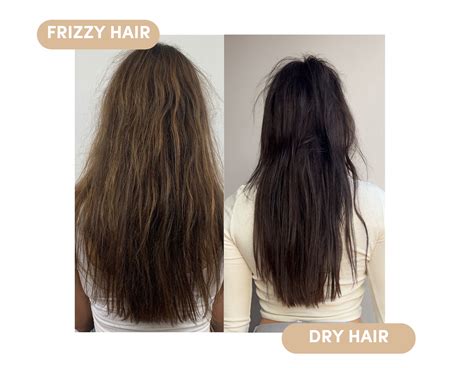
Damaged hair often appears dry, brittle, and frizzy, frequently accompanied by flyaways and split ends. Serums help to tame unruly strands and create a polished finish. The silicone content in many serums plays a crucial role by forming a protective layer around the hair cuticle. This seals the hair, ensuring that weak and damaged strands remain hydrated and moisturized. Additionally, some hair serums are enriched with hydrolyzed keratin proteins, which offer several hair benefits:
- Enhance the hair’s ability to retain moisture.
- Prevent strands from splitting.
- Repair damaged hair.
- Neutralize the negative static charge that leads to frizz, flyaways, and friction.
- Improve the tensile strength of dry, damaged hair.
3. Reducing Knots and Tangles
Hair serums work by smoothing the hair, which consequently aids in detangling. As the serum makes the hair smoother and silkier, it becomes significantly easier to comb through and manage.
4. Enhancing Natural Hair Appearance
By improving the hair's natural structure and texture, hair serums contribute to a sleeker, more defined look, thereby enhancing the hair's inherent beauty.
5. Protecting Against Damage
The protective coating provided by serums shields the hair from environmental pollutants, dust, photodamage, and heat damage caused by styling tools. This protective quality is why serums are frequently applied before heat styling.
Most serums contain ingredients designed to protect hair from:
- Heated styling tools, such as straightening irons, curling irons, and hairdryers.
- Chemical processing involved in dyeing, straightening, bleaching, or perming hair.
- Environmental stressors like photodamage and adverse weather conditions.
- Mechanical damage resulting from repeated treatments and styling.
These protective measures help to preserve, improve, and restore the hair fibers' properties, including smoothness, elasticity, and strength.
How to Use Hair Serums Effectively
Proper usage of hair serums is key to maximizing their benefits. Here are some essential recommendations:
Do: Wash Hair Before Application
Hair serum is generally a leave-in product best applied to freshly shampooed hair. Its primary function is to protect the hair from pollutants, so using it on unwashed hair negates this purpose and can lead to a greasy, weighed-down appearance. After washing and towel-drying hair, the serum can be applied. It can also be used overnight for softer, glossier hair in the morning or for touch-ups throughout the day.
Don't: Overapply Serum
Applying too much serum can cause hair to become flat and greasy. It is advisable to start with a small amount and gradually add more only if necessary to achieve the desired result.
Do: Warm It Up Before Application
Many hair serums have a thick consistency, which can make them difficult to distribute evenly. Warming a small amount of serum in your palm by rubbing your hands together for a few seconds can smooth it out, ensuring a more uniform application.
Don't: Apply on Roots
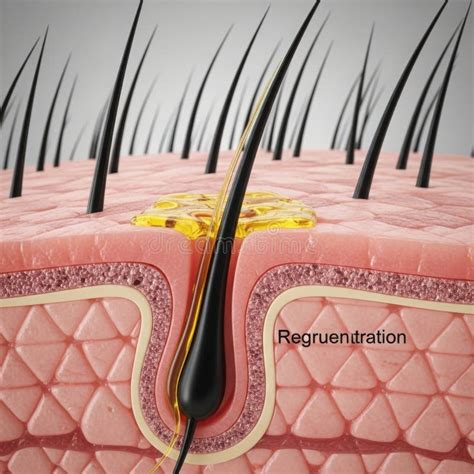
It is crucial to avoid applying hair serum directly to the roots, as this can weigh the hair down, make the roots appear greasy, and lead to product buildup. The hair tips are typically drier, making them the ideal area for serum application, extending from the ends to the mid-shafts.
Do: Consider Hair Type and Goals
Hair serums are formulated differently, meaning certain types may be more beneficial for specific hair types. It is important not only to select a serum suited to your hair type but also to examine its ingredients to ensure it aligns with your desired hair goals.
Don't: Rinse the Serum After Application
Hair serums are designed as leave-in treatments that work on the hair's surface to moisturize, smooth, and protect. Rinsing the serum off removes this beneficial coating.
Choosing the Right Serum for Your Hair Type
Selecting the most suitable hair serum for your specific hair type and concerns is paramount to achieving the best results. Here's a guide:
- Coarse Hair: Opt for serums offering intense moisturizing properties. Those that protect against humidity and seal in hydration are beneficial for managing frizz and dryness, which are common in coarse hair. Look for ingredients like castor, marula, and rosewood oils for deep hydration.
- Curly Hair: Lightweight, hydrating serums can enhance bounce and definition in curly hair.
- Fine Hair: Serums with lighter formulas are generally recommended for fine hair to avoid weighing it down.
- Straight Hair: Serums can help boost the straightness and glossiness of straight hair by smoothing and moisturizing it.
- Damaged Hair and Split Ends: Consider keratin-based serums, often labeled as "repairing" or "fortifying," to replenish protein in the hair.
- Heat Styling Users: If you frequently use straightening irons or hairdryers, choose heat-protecting serums.
Incorporating a hair serum into your routine can offer numerous benefits, including enhanced protection, added moisture and shine, reduced split ends and flyaways, and improved definition of your hair's natural texture. By selecting a serum tailored to your hair type and goals, and by applying it correctly-a small amount from the mid-shafts to the ends-you can significantly improve your hair's health and appearance.