Snail mucin has rapidly ascended to become one of the most discussed ingredients in contemporary skincare. Popularized by Korean beauty brands and viral social media trends, this ingredient is lauded for its ability to hydrate, smooth, and calm even the most sensitive skin. This article delves into what snail mucin is, how it functions, and how you can effectively integrate it into your skincare regimen.
What Is Snail Mucin?
Snail mucin, also known as snail secretion filtrate, is a natural fluid produced by snails. This secretion aids snails in maintaining moisture and repairing any damage encountered as they traverse various surfaces. While the concept of utilizing snail excretions might initially seem unappealing, the mucin used in skincare undergoes purification and refinement. The resulting ingredient is lightweight, hydrating, and rich in nutrients.
Key components found in snail mucin include:
- Glycoproteins: These are proteins that play a role in cell repair and regeneration.
- Peptides: These short chains of amino acids can signal the skin to produce more collagen and elastin, contributing to firmness and elasticity.
- Hyaluronic Acid: A powerful humectant known for its ability to attract and retain moisture, providing deep hydration.
- Growth Factors: These proteins help stimulate cell growth and repair, aiding in skin renewal.
- Antioxidants: These compounds protect the skin from damage caused by free radicals, which can lead to premature aging and dullness.
- Allantoin: Known for its soothing and anti-inflammatory properties, it helps calm irritated skin.
- Glycolic Acid: A gentle alpha-hydroxy acid (AHA) that exfoliates the skin, improving texture and reducing hyperpigmentation.
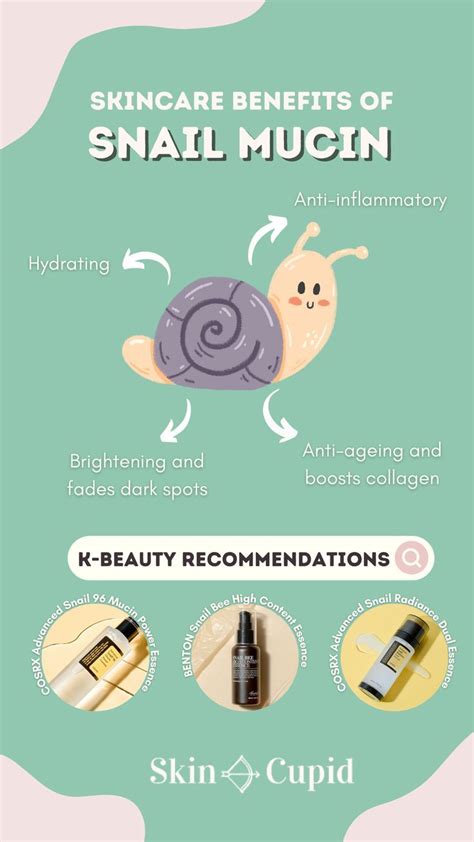
These components work synergistically to hydrate the skin, fortify its protective barrier, and enhance visible radiance and smoothness.
Forms and Variations of Snail Mucin
Snail mucin is available in several forms. The most common is filtrate, a purified and diluted version that blends seamlessly into serums and essences, such as the well-known COSRX snail mucin serum. Some newer products feature more concentrated versions that possess a slightly thicker texture and offer richer hydration.
Snail mucin can also be found in both fermented and non-fermented forms. Fermentation breaks down the molecules into smaller components, potentially enhancing skin absorption. Both versions can be effective, with the choice often depending on personal preference regarding texture and how the product feels on the skin.
In skincare products, snail mucin concentrations typically range from 30% to 90%. Higher percentages are often found in serums, while moisturizers may contain a lower concentration blended with other hydrating ingredients.
Snail Mucin Collection Methods
Cruelty-free methods exist for collecting snail mucin without causing harm to the snails. In these practices, snails are housed in stimulus-free environments (dark and quiet). As they naturally move, they leave behind mucin, which is then collected. The pure snail mucin extract then undergoes filtration and purification processes to remove impurities and ensure a clean final ingredient. Consumers are encouraged to seek out brands that openly share their collection standards and strictly avoid harmful harvesting methods.
Some research suggests that a cruelty-free approach, which minimizes snail stress and avoids harm, leads to a higher quality mucin. Traditional methods sometimes involved stressing snails to induce mucus production, which could be achieved by poking them or spraying them with a mild chemical. However, modern ethical practices prioritize non-lethal methods.

Benefits of Snail Mucin for the Skin
Snail mucin offers a wide array of benefits for skin health and appearance due to its multifunctional composition. Its unique blend of humectants, peptides, proteins, and antioxidants makes it a gentle and supportive ingredient suitable for many skin types.
Hydration and Moisture Retention
Snail mucin acts as a humectant, drawing water into the skin and improving hydration levels. The naturally occurring hyaluronic acid within the mucin helps the skin retain moisture, resulting in a softer and plumper appearance.
Support for the Skin Barrier
Glycoproteins and peptides derived from snail mucin help reinforce the skin's natural barrier. A stronger barrier is crucial for protecting against moisture loss, irritation, and environmental stressors.
Soothing and Calming Effects
Snail mucin provides gentle relief from redness and irritation. It can help calm the skin after cleansing, exfoliating, or exposure to harsh environmental conditions. Its gentle nature makes it suitable for individuals with sensitive skin who may struggle with more potent products.
Anti-Aging Benefits
The mucin may contribute to improving the appearance of fine lines and wrinkles. Peptides support elasticity and firmness, while enhanced hydration reduces the visibility of dryness-related fine lines.
Brightening and Reduction of Dullness
Antioxidants present in snail mucin help neutralize free radicals that contribute to skin dullness. Improved hydration and barrier strength naturally enhance radiance. Some formulations may also help soften the appearance of mild discoloration or uneven skin tone.
Gentle Support for Skin Healing and Renewal
Natural growth factors and proteins found in snail mucin promote a healthier skin surface. It can aid in addressing dryness, irritation, or minor skin stress. Some studies have indicated that snail mucin can help wounds heal faster and promote skin regeneration.
Enhanced Softness and Smooth Texture
Snail mucin improves skin softness by supporting healthy cell turnover and hydration. Many users report a more refined texture and smoother makeup application. Consistent use can reduce rough or uneven patches.
How to Use Snail Mucin in a Skincare Routine
Snail mucin is a versatile ingredient that can be incorporated into various skincare products and routines.
Product Types Containing Snail Mucin
Snail mucin is commonly found in:
- Serums: These deliver a high concentration of the ingredient topically.
- Moisturizers and Creams: Providing hydration and barrier support.
- Mask Treatments: Offering intensive hydration and benefits.
- Cleansers: While available, their benefits are limited due to short contact time with the skin.
- Essences: Lightweight formulas for hydration and preparation.
- Eye Creams: Targeting the delicate under-eye area.
- Toners: Preparing the skin and delivering initial hydration.
When to Apply Snail Mucin
Snail mucin serums and other lightweight products are best applied to damp skin after cleansing and toning. They fit well as a step before heavier moisturizers or soothing treatments in both morning and evening routines. For richer moisturizers, they are typically applied as the last step in the routine.
Frequency of Use
New users should begin with once-daily use. If well-tolerated, the application can be increased to twice daily (morning and night). Individuals with sensitive or acne-prone skin may prefer to introduce it gradually, monitoring their skin for any adverse reactions. Lightweight serums can often be used more frequently than richer creams.
Combining Snail Mucin with Other Ingredients
Snail mucin pairs well with a variety of other beneficial skincare ingredients, including:
- Hyaluronic Acid: For enhanced hydration.
- Niacinamide: To support the skin barrier and reduce inflammation.
- Ceramides: For barrier repair and moisture retention.
- Peptides: To further boost collagen production and firmness.
These combinations can amplify hydration and support a healthy skin barrier.
Ingredients to Use with Caution
While snail mucin is gentle and compatible with most products, it's advisable to be mindful when combining it with strong actives. If you are using potent retinol or retinoids, high-strength acids (like AHAs/BHAs), or benzoyl peroxide, consider spacing out their application from snail mucin. These potent ingredients can potentially counteract the hydrating and calming effects of snail mucin, or increase the risk of irritation if used concurrently without careful consideration.
Who Should Consider Using Snail Mucin?
Snail mucin is an excellent option for individuals with:
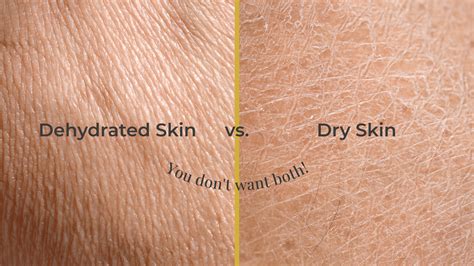
- Dry or Dehydrated Skin: Its hydrating properties are highly beneficial.
- Sensitive Skin: Its soothing and calming effects can help reduce redness and irritation.
- Mature Skin: It can help improve the appearance of fine lines and boost elasticity.
- Acne-Prone Skin: Its anti-inflammatory and antimicrobial properties may help with breakouts and healing acne scars.
- Oily Skin: Lightweight formulations offer hydration without feeling heavy or greasy.
- Beginners: Its gentle nature and ease of incorporation make it an ideal starting point.
Individuals seeking to improve skin texture, radiance, and overall skin health will likely find snail mucin beneficial. However, those with specific allergies to natural extracts or who adhere to a vegan lifestyle may wish to avoid it due to its animal origin.
Potential Side Effects and Considerations
Snail mucin is generally well-tolerated and considered gentle. However, as with any skincare ingredient, there is a possibility of sensitivity or irritation. New users should always perform a patch test by applying the product to a small area of skin (e.g., the inner elbow or behind the ear) before applying it to the entire face. This helps identify potential allergic reactions or sensitivities. Rare allergic reactions can occur, particularly in individuals sensitive to natural extracts.
How to test skin care products at home
Alternatives to Snail Mucin
For those seeking alternatives to snail mucin, focusing on the desired effect is key. Ingredients with well-researched benefits that can mimic some of snail mucin's properties include:
- For Hydration: Hyaluronic acid, glycerin, ceramides.
- For Anti-Aging: Retinol, peptides, vitamin C, niacinamide.
- For Soothing: Centella Asiatica (cica), panthenol, aloe vera.
- For Exfoliation: Glycolic acid (if not sensitive), lactic acid, enzymes.
Conclusion
Snail mucin is a gentle, multi-functional skincare ingredient that supports hydration, radiance, and smoother texture. Its natural blend of humectants, peptides, and antioxidants can significantly improve the look and feel of many skin types. Choosing high-quality formulas from reputable brands and consulting with a dermatologist, especially for sensitive skin or if undergoing in-office treatments, is recommended. When used consistently, snail mucin can be a valuable and effective addition to a balanced skincare routine.