Rosemary, a herb commonly used in cooking, also possesses valuable properties when utilized as an essential oil, offering a range of benefits including the stimulation of hair growth and the reduction of inflammation. Dermatologist Shilpi Khetarpal, MD, elaborates on why rosemary oil could be beneficial for hair health and how to use it safely.
How Rosemary Oil Aids Hair Growth
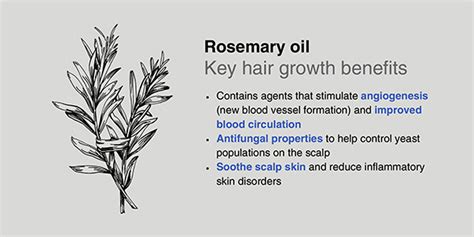
In recent years, studies have indicated that rosemary oil can serve as an effective alternative treatment for androgenic alopecia (pattern baldness) and hair loss. When compared to minoxidil (Rogaine®), rosemary oil has demonstrated comparable efficacy in encouraging hair regrowth due to its:
- Antioxidant effects
- Anti-inflammatory effects
- Antimicrobial properties
While further research is needed to fully understand the mechanisms behind its effectiveness for hair growth, some older studies suggest that carnosic acid present in rosemary can help revive damaged nerves and tissue. The practice of massage, often combined with natural treatments, has long been recognized for its ability to boost blood flow to the scalp and support hair growth. Rosemary oil may enhance this effect.
“If you increase blood flow to the scalp, you give your hair the nutrients it needs to shed less, grow more and just be a bit healthier,” explains Dr. Khetarpal. This improved circulation ensures that the hair follicles receive the necessary nourishment.
Scientific Evidence Supporting Rosemary Oil for Hair Growth
Several studies have explored the potential of rosemary oil in combating hair loss. A notable study from 2015 compared rosemary essential oil with minoxidil in 100 participants experiencing androgenic alopecia. The findings suggested that rosemary essential oil was as effective as minoxidil in promoting hair regrowth and also showed a greater success rate in alleviating an itchy scalp, a common side effect of minoxidil. More recently, a 2023 study conducted on mice indicated that a hair lotion containing 1% rosemary essential oil stimulated hair growth more effectively than minoxidil, also benefiting hair quality, length, and weight appearance. A 2024 review also highlighted rosemary oil's potential benefits for hair loss due to its rich content of bioactive compounds, including antioxidant, antimicrobial, and anti-inflammatory properties.
Evidence suggests that rosemary oil might work by improving vascularity and blood circulation, thereby enhancing the regeneration of hair follicles. This mechanism could prevent hair follicles from being deprived of blood supply, which can lead to hair loss. Additionally, research indicates that rosemary may benefit nerve tissue by increasing nerve growth factor, potentially supporting hair growth and skin health by rejuvenating nerves in the scalp.
While these studies are promising, it is important to note that additional research, particularly in humans, is still necessary to fully assess the efficacy of rosemary oil for all types of hair loss. It may not be as effective for hair loss causes other than androgenic alopecia. Therefore, consulting a healthcare professional for a proper diagnosis and treatment plan is advisable.
Potential Causes of Hair Loss
Hair loss can stem from a variety of factors, and rosemary oil's effectiveness may depend on the underlying cause. Common reasons for hair loss include:
- Genetics
- Age
- Alopecia (various types)
- Cancer treatment or other medications
- Infections
- Hormonal shifts
- Hair care practices or hairstyles
- Illness or other stressors
Understanding the cause of hair loss is crucial when considering rosemary oil as a potential treatment option.
How to Use Rosemary Oil for Hair Growth
If you are considering incorporating rosemary oil into your hair care routine, Dr. Khetarpal and other experts offer the following guidance:
1. Dilute with a Carrier Oil
Rosemary oil is highly concentrated and should always be diluted before application to prevent skin irritation. Suitable carrier oils include coconut oil or jojoba oil. Mix a few drops of rosemary oil with a tablespoon of your chosen carrier oil.
2. Massage into the Scalp
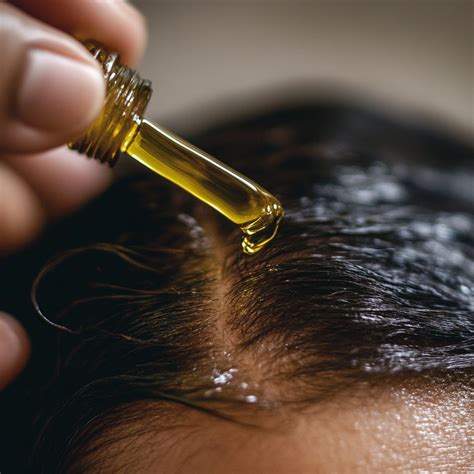
The effectiveness of rosemary oil for hair growth is maximized when applied directly to the scalp. Gently massage the diluted oil into your scalp, concentrating on areas experiencing thinning or hair loss. This ensures the oil penetrates the skin and reaches the hair follicles.
3. Incorporate into Hair Products
You can add a few drops of rosemary oil to your regular fragrance-free shampoos, conditioners, or hair masks. This allows for easy integration into your existing hair care routine. Opting for fragrance-free products is recommended, as fragrances can potentially reduce the effectiveness of the rosemary oil and increase the risk of irritation.
4. Allow it to Sit
For optimal results, leave the rosemary oil on your scalp for at least a few hours. Many find it convenient to apply the oil at night and wash their hair in the morning. This extended contact time allows the beneficial compounds to work effectively.
5. Consistency is Key
Meaningful improvements from rosemary oil typically require consistent use. Dr. Khetarpal suggests using the oil two to three times a week for at least six months. “Stay consistent and give it time,” she advises.
Possible Side Effects and Precautions
While rosemary oil is generally considered safe for topical use, certain precautions should be observed:
- Pregnancy and Breastfeeding: Rosemary oil is not recommended for individuals who are pregnant or breastfeeding due to potential risks to the fetus or infant.
- Patch Test: Before applying rosemary oil to your entire scalp, perform a patch test on a small area of skin to check for any adverse reactions, especially if you have fine hair or conditions like atopic dermatitis.
- Avoid Contact with Eyes and Mouth: Ensure the oil does not come into contact with your eyes or mouth.
- Keep Out of Reach of Children: Store rosemary oil safely away from children, as they may be more sensitive to essential oils.
- Overuse and Irritation: Using too much rosemary oil can lead to scalp irritation, redness, burning, inflammation, or even damage to hair follicles. If you experience any irritation or side effects, discontinue use and consult a dermatologist.
It is important to maintain realistic expectations regarding hair growth. Rosemary oil may help, particularly for recent hair loss, but results can vary significantly among individuals. If hair loss has been a long-standing issue, dramatic results may not be achievable with rosemary oil alone.