Discoloration around the bikini area is a common concern, but it doesn't have to be a permanent issue. With a vast array of skincare products and information available, it can be overwhelming to know where to begin. Before diving into solutions, it's important to acknowledge that hyperpigmentation and dark coloration in this area are often the result of normal, everyday life. While you don't need to feel pressured to "treat" it unless you desire to, there are effective ways to help even out your skin tone if it's a concern for you.
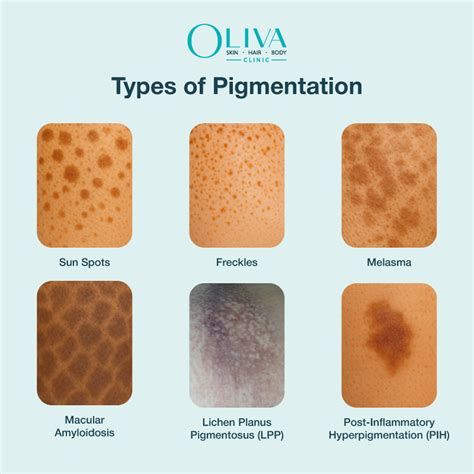
Common Causes of Hyperpigmentation
Understanding the root causes of discoloration is the first step toward finding effective solutions and preventing future occurrences. Several factors can contribute to hyperpigmentation in the bikini area:
Age
As with many skin conditions, age can be a contributing factor to the development of hyperpigmentation. Maintaining a consistent skincare routine that includes exfoliation and moisturizing can help keep your skin healthy and potentially mitigate the development of uneven skin tone as you get older.
Friction
Friction is a surprisingly common cause of hyperpigmentation. The type of underwear you wear and the activities you engage in can lead to irritation in your intimate areas, resulting in darker, more pigmented skin over time. This can be exacerbated by tight-fitting clothing that rubs against the skin.
Genetics
Darker skin tones around the vaginal area can also be a result of genetic predisposition. Discoloration is often a direct result of melanin overproduction, which can be triggered by genetic factors, hormonal changes (such as during pregnancy or menopause), or as a side effect of certain medications.
Irritating Hair Removal Methods
Hair removal practices can also contribute to hyperpigmentation. Shaving, in particular, can cause skin irritation and stress over time, leading to darkening of the skin. This is especially true for individuals with sensitive skin, as any form of irritation can result in unwanted patches of dark skin.
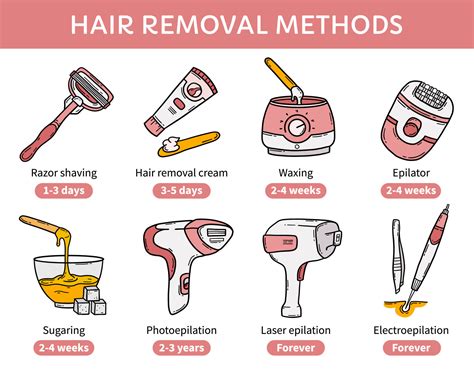
Treating Hyperpigmentation in the Bikini Area
While some causes of hyperpigmentation are beyond our control, there are numerous effective solutions available to help even out your skin tone:
Exfoliation
Regularly exfoliating the affected area is crucial. Exfoliation removes dead skin cell buildup, clears dry patches, and helps keep the bikini line clean and clear, paving the way for fresh, healthy skin. It can also help to gradually lighten existing dark spots.
Skin-Brightening Topical Products
In addition to exfoliation, many readily available products are specifically formulated to brighten the skin and reduce melanin buildup. These products often contain Alpha Hydroxy Acids (AHAs) such as citric and lactic acid, which aid in the skin brightening process.
HOW TO GET THE PERFECT BIKINI LINE! No more dark spots, Ingrown hairs or bumps!
Gentle Hair Removal Methods
Unfortunately, hyperpigmentation can occur from seemingly simple practices like shaving, especially if there's accidental nicks or excessive pressure. Waxing is often considered a safer hair removal alternative for reducing dark skin patches, as it removes hair from the root and can be less irritating to the skin when performed correctly.
Preventing Hyperpigmentation
Preventative care is always the best approach to maintaining healthy, even-toned skin. Here are some at-home recommendations to create the optimal environment for your skin:
Avoid Tight-Fitted Clothing
Given that friction is a significant contributing factor to hyperpigmentation, it is strongly advised to avoid tight-fitting clothing. This is particularly important after waxing or other hair removal treatments, as your skin needs room to breathe and recover.
Use Sunscreen and Moisturizers
Protecting your skin through the regular use of sunscreen and moisturizers is essential. Sunscreen helps prevent further darkening caused by UV exposure, while moisturizers keep the skin hydrated and healthy. Consider using ingrown hair serums that not only keep your skin happy but also protect it from discoloration.

Consult a Professional
If you're unsure about the best course of action or home remedies, consulting a professional can provide personalized guidance. Your esthetician or dermatologist can discuss your options and recommend treatments tailored to your specific needs, helping you achieve your desired skin tone.