Determining the correct order for applying sunscreen and moisturizer in your daily skincare routine can be confusing, as the answer often depends on the type of sunscreen you are using. Understanding the science behind both products and their interactions is key to ensuring maximum protection and skin health.
Understanding Sunscreen Types and Application
There are two main types of sunscreens: chemical and physical (mineral). Each type has a different mechanism of action and, consequently, a different optimal application order.
Chemical Sunscreens
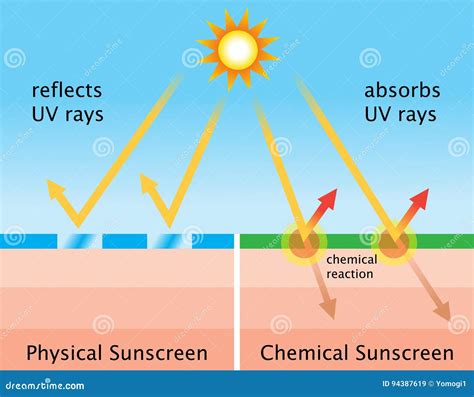
Chemical sunscreens work by absorbing UV rays before they can damage the skin, acting much like a sponge. For this absorption process to be effective, chemical sunscreens need to penetrate the skin. Therefore, they should be applied before moisturizer. If a chemical sunscreen is applied over moisturizer, it may not be able to absorb properly, leading to reduced protection.
Physical (Mineral) Sunscreens
Physical sunscreens, on the other hand, contain active mineral ingredients like zinc oxide and titanium dioxide. These ingredients sit on the surface of the skin and act as a physical barrier, reflecting UV rays away from the skin, much like a shield. Because they form a protective layer on top of the skin, physical sunscreens are generally applied after other skincare products, including moisturizer, but before makeup.
Integrating Sunscreen into Your Skincare Routine
To simplify the process, it's helpful to think of your skincare routine in terms of product weight and absorption. Generally, you should apply products from the lightest to the heaviest.
- Cleanser: This is always the first step.
- Toner or Essence: These are typically lighter than serums and moisturizers.
- Antioxidant Serums: Products like those containing vitamin C should be given time to absorb fully.
- Moisturizer or Sunscreen: The order here depends on your sunscreen type.
For chemical sunscreens, apply them to clean skin first, allow them to settle in, and then apply your moisturizer. For mineral sunscreens, apply them after your moisturizer as the final step in your skincare routine before makeup.
The American Academy of Dermatology recommends a basic skincare routine that includes a cleanser, moisturizer, and sunscreen. Each product serves a unique and important purpose.
Why Sunscreen is Often Applied Last
The primary function of sunscreen is to create a protective barrier against harmful UV rays. Applying it as the last step in your daytime skincare routine ensures that this barrier is not disturbed by subsequent product applications. If sunscreen is applied before moisturizer, there's a risk of rubbing it off during the application of the next step, potentially compromising its effectiveness.
However, as noted, this rule is nuanced for chemical sunscreens, which require absorption. In such cases, applying the chemical sunscreen first, allowing it to absorb, and then applying moisturizer is the recommended approach.
It’s important to remember that sunscreen alone may not be sufficient for complete sun protection. Additional protective measures, such as reapplying sunscreen at least every two hours when outdoors, are essential.
The Role of Moisturizers
Moisturizers are designed to hydrate the skin and help it retain moisture. While many sunscreens now include hydrating benefits, their primary function remains sun protection. Moisturizers can help enhance your skin's hydration levels and overall skin health.
SPF-Infused Moisturizers: A Convenient Option
SPF-infused moisturizers offer a convenient way to combine moisturizing and sun protection into a single step. However, for these products to be effective, they must meet specific requirements:
- SPF 30 or Higher: SPF 30 blocks approximately 97% of UVB rays, while SPF 50 blocks around 98%.
- Broad-Spectrum Coverage: This indicates protection against both UVA (aging) and UVB (burning) rays.
If your favorite moisturizer meets these standards, it can be a suitable alternative to using separate moisturizer and sunscreen. However, it's crucial to use enough product for adequate coverage and reapply every two hours if spending time outdoors.
Important Considerations for SPF-Infused Products
It is generally not recommended to mix your own moisturizer with sunscreen. The ingredients in moisturizers can potentially inactivate sunscreen ingredients, dilute the formula, or alter how the sunscreen sits on the skin, all of which can lead to reduced protection.
When choosing an SPF-infused moisturizer, consider your skin type and concerns. For example:
- Normal to Oily Skin: Look for non-comedogenic formulas that won't clog pores.
- Mature Skin: Anti-aging moisturizers with SPF can help protect against UV damage while addressing fine lines and wrinkles.
Regardless of the product, always read the label carefully and follow the application instructions. Reapplication is still necessary for sustained protection.
How To CORRECTLY Apply Sunscreen On Your Face Like A Dermatologist + Tips for Reapplying SPF!
The Verdict: Best Practices for Application
While there are differing opinions among dermatologists, a widely accepted approach to maximize the efficacy of both your moisturizer and sunscreen is as follows:
- Apply a light moisturizer and allow it to absorb completely into the skin.
- Follow with your sunscreen.
For those using chemical sunscreens, this order ensures the sunscreen can penetrate the skin. For mineral sunscreens, this order allows them to form their protective barrier over your skincare.
Some experts suggest an even more robust approach: layering a moisturizer with sunscreen first, letting it absorb, and then applying a separate sunscreen on top. This "double-dipping" method can provide enhanced protection.
Ultimately, the most important takeaway is to use a broad-spectrum sunscreen with an SPF of 30 or higher daily. Pay attention to product instructions and reapply as needed to ensure your skin is adequately protected from the sun's harmful rays.