Gua sha (pronounced "gwa-shah") is an East Asian healing technique that has been practiced for centuries. Traditionally, it involves a trained professional using a small, smooth-edged tool to firmly stroke the skin in one direction. This practice is believed to improve blood flow and reduce inflammation.
Understanding the Principles of Gua Sha
According to traditional Chinese medicine (TCM), good health relies on the unimpeded flow of chi, or vital energy, throughout the body. When this energy becomes blocked in a particular area, it can lead to health issues. Gua sha is thought to help "unstuck" this vital energy, allowing it to flow freely again.
While often referred to as "skin scraping," "coining," or "spooning," gua sha is a gentle technique. It is frequently used to help manage chronic pain. In recent times, gua sha has gained recognition for its potential skincare benefits, though further research is needed to substantiate these claims.
Gua Sha vs. Western Techniques
In Western practices, licensed acupuncturists often offer gua sha. Similar techniques are also employed by physical therapists and chiropractors under the umbrella term instrument-assisted soft tissue mobilization (IASTM). This involves using specialized tools to address tight muscles or scar tissue, without the specific TCM concept of chi.
One prominent IASTM method is the Graston technique, which was modeled after gua sha. However, the Graston technique incorporates additional elements such as stretching, strengthening exercises, and ice therapy to alleviate pain and inflammation.
The Gua Sha Procedure
Before a gua sha treatment, your provider will typically apply oil to your skin. They will then use a smooth, stonelike gua sha tool to scrape your skin in long, downward strokes. This action is intended to break tiny capillaries (blood vessels) beneath the skin's surface, which can result in temporary small, red, rash-like dots known as petechiae.
As the session progresses, the pressure of the strokes may be gradually increased, always within your comfort level. Gua sha should not be a painful experience.
Areas of Treatment
Gua sha can be performed on various parts of the body, including the:
- Back
- Neck
- Buttocks
- Arms
- Legs
Facial gua sha is also a popular application, but this process is performed with gentler pressure.
How Gua Sha Works and Potential Benefits
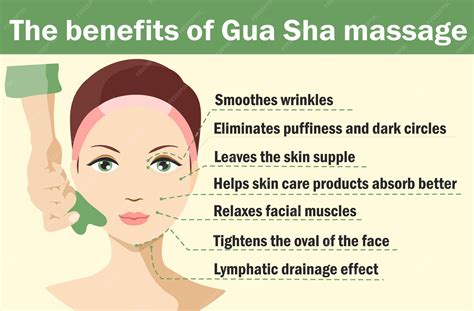
The act of scraping the skin and inducing petechiae is believed to activate both the immune and nervous systems, initiating a complex chain of physiological responses. Studies suggest that when performed correctly, gua sha can stimulate the release of chemicals that enhance blood flow, reduce toxins, alleviate pain, and promote healing in the treated area.
Potential Health Applications Supported by Limited Research
Gua sha may offer benefits for a range of issues, including:
- Muscle tightness
- Swelling
- Anxiety
- Sinus pressure
- Fatigue
Research into specific health conditions is ongoing:
- Hepatitis B: Some studies indicate that gua sha might help reduce liver inflammation caused by the hepatitis B virus, though more research is required.
- Migraines: A study suggested that gua sha, as part of a hospital treatment, could help ease migraine pain. However, further clinical trials are needed.
- Tourette's Syndrome: In one case study, a patient using a combination of gua sha and other therapies experienced a significant improvement in symptoms. More evidence is needed to confirm this link.
- Neck Pain: A clinical trial showed that gua sha treatment provided short-term pain relief for individuals with chronic neck pain. The long-term effects are still under investigation.
- Perimenopausal Symptoms: One study observed improvements in symptoms like irregular periods, hot flashes, and mood changes among participants who used gua sha.
- Breast Fullness: Gua sha treatment has been shown to improve pain associated with breast engorgement in breastfeeding mothers, making breastfeeding easier.
Understanding the Risks and Precautions
While generally considered safe, gua sha can lead to temporary bruising or skin discoloration, which typically resolves within 3-4 days. Soreness and tenderness post-treatment are also possible.
It is advisable to avoid gua sha if you have:
- Diabetes
- Circulation issues
- Are taking blood thinners
- Are pregnant or suspect you might be
Additionally, avoid facial gua sha if you have had recent cosmetic injections (botulinum toxin or fillers) or have ongoing skin conditions like psoriasis or rosacea.
It is always recommended to consult with your doctor before trying gua sha to ensure it is safe for you.
Gua Sha Tools and Their Use
Gua sha tools have rounded edges and are designed not to break the skin. Traditionally, natural materials like buffalo horn were used. Today, a variety of tools are available, and even a simple wooden spoon can be utilized.
Types of Gua Sha Tools:
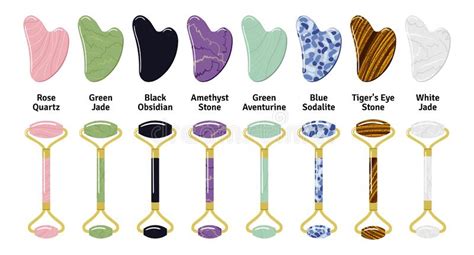
- Gua Sha Stones: Often made from polished stones like rose quartz or jade, these tools come in various shapes. They typically feature a double notch and a long handle. The notched side is suitable for areas like eyebrows, jawline, and throat, while the longer edge is for cheeks and forehead.
- Jade Rollers: Resembling a small paint roller, jade rollers are ideal for facial massage. They can help cool the skin and reduce puffiness.
Preparing for Gua Sha
To prepare for gua sha, ensure your hands and the tool are clean. Apply a facial oil or serum to help the tool glide smoothly across the skin. For those with acne-prone or sensitive skin, an oil-free lotion or serum may be a better choice.
How to Perform Facial Gua Sha
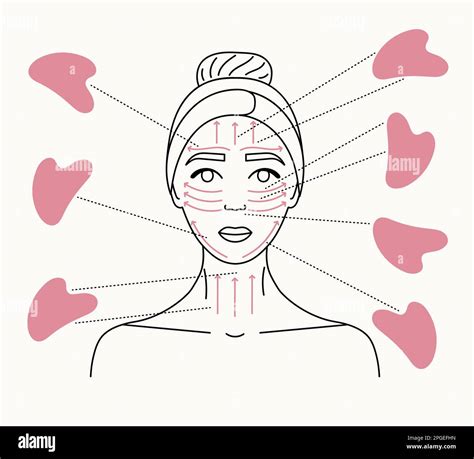
When performing gua sha on yourself, especially on the face, use light to medium pressure and hold the tool at a 35-45 degree angle to the skin. All movements should be in smooth, upward and outward directions, following the lymphatic flow.
Step-by-Step Facial Gua Sha Routine:
- Neck: Apply lotion or serum. Starting at the neck, use smooth upward strokes from the collarbone to the earlobe. Repeat three to five times on each side.
- Jawline: Place the tool at the center of the chin and move it along the jawline to the ear. Repeat on the other side.
- Cheeks: Slowly drag the tool across the cheekbone to the ear. Repeat on the other side.
- Under Eyes: Gently slide the tool from under the eye outward toward the ear in a straight line. Repeat on the other side.
- Eyebrows: Starting from the middle of the eyebrow, drag the tool outward to the hairline. Repeat on the other side.
- Forehead: Firmly press the tool from the top of the eyebrow upward to the top of the forehead. Repeat on the opposite side.
Remember to always scrape from the inside to the outer edges of the face, using gentle pressure due to the thinner skin.
Frequency of Gua Sha
Some experts suggest practicing gua sha two to three times a week to observe positive results. For body treatments, it may be performed as needed or seasonally. Facial gua sha is generally recommended once or twice a week for optimal outcomes.
Gua Sha For Beginners - Follow Along Tutorial
Choosing the Right Gua Sha Tool and Oils
Various materials are used for gua sha tools, each believed to have its own properties. Common choices include:
- Rose Quartz: Associated with love and healing.
- Jade: Believed to promote calm, balance, and positivity.
- Amethyst: Said to help relieve stress and reduce negative energy.
- Stainless Steel: Non-porous and easy to clean, preventing bacterial buildup.
- Bian Stone: Used in TCM for thousands of years, containing trace minerals beneficial for health.
The shape of the tool is also important, with different contours designed for specific facial areas.
For lubrication, various oils can be used:
- Almond Oil: Hydrates and reduces skin irritation.
- Vitamin E Oil: Helps with hydration, antioxidants, and anti-inflammatory properties.
- Jojoba Oil: Hydrates, balances oil production, and has antibacterial properties.
- Argan Oil: Offers anti-aging benefits, moisturizes, and brightens skin.
For sensitive or acne-prone skin, oil-free lotions or serums are recommended.
Conclusion on Gua Sha's Potential
Gua sha is a time-honored practice that blends ancient wisdom with modern skincare. While scientific research is still evolving, studies suggest potential benefits for circulation, pain relief, and inflammation reduction. As a versatile and holistic self-care practice, gua sha can be a valuable addition to a skincare routine, promoting overall well-being and enhancing the skin's natural radiance.