Sunburn is an inflammatory response of the skin, characterized by pain and a sensation of heat. While it might seem like a concern limited to sunny vacations or hot weather, the reality is that UV radiation, the primary cause of sunburn, is present year-round and can cause damage even on cool or cloudy days. Understanding the risks associated with UV exposure and implementing preventative measures is crucial for everyone, regardless of skin tone or location.
The Nature of UV Radiation
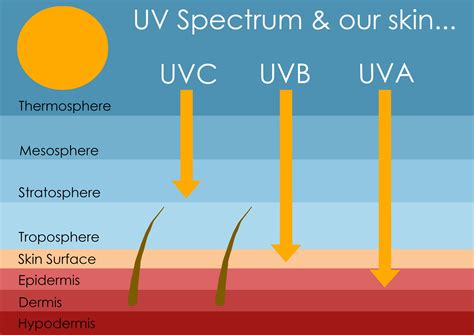
Ultraviolet (UV) radiation is a component of the sun's natural energy. It exists on the electromagnetic spectrum with shorter wavelengths than visible light, making it invisible to the human eye but perceptible to the skin. Tanning beds also emit UV radiation. UV light is categorized into two main types that affect the skin: Ultraviolet A (UVA) with longer wavelengths and Ultraviolet B (UVB) with shorter wavelengths. Both UVA and UVB rays are harmful.
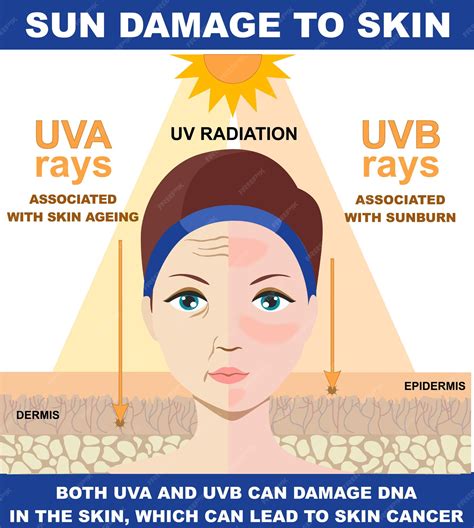
When skin is exposed to UVA and UVB rays without protection, the DNA in skin cells can be damaged. This damage can lead to genetic mutations, increasing the risk of skin cancer and premature aging. UV radiation is recognized as a proven human carcinogen, contributing to the development of basal cell carcinoma (BCC) and squamous cell carcinoma (SCC), which commonly appear on sun-exposed areas. Furthermore, UV exposure that results in sunburn has been strongly linked to the development of melanoma, a particularly dangerous form of skin cancer.
Understanding UVA and UVB Rays
While both UVA and UVB rays cause harm, they have distinct effects on the skin:
- UVB: These rays penetrate and damage the outermost layers of the skin. The Sun Protection Factor (SPF) on sunscreen labels is primarily related to UVB protection. UVB intensity is known to fluctuate.
- UVA: These rays are responsible for tanning and, to some extent, sunburn due to their shorter wavelengths. UVA rays penetrate the skin more deeply than UVB, causing genetic damage to cells in the inner part of the top skin layer, where most skin cancers originate. UVA radiation is the primary type of light used in most tanning beds.
It's important to note that there is no such thing as a safe or healthy tan. The skin darkens as a protective mechanism against further damage, but this tanning process itself indicates that damage has occurred. UVA rays are prevalent, accounting for up to 95 percent of the UV radiation that reaches Earth. Crucially, these rays maintain a consistent strength throughout daylight hours, every day of the year.
When Does Sunburn Happen?
Sunburn is not confined to holidays abroad or hot summer days. In regions like the UK, the sun can be strong enough to damage skin from mid-March to mid-October, irrespective of the ambient temperature or whether it is cloudy. Clouds can reduce UV intensity, but over 90% of UV rays can still penetrate cloud cover and cause sunburn.
The intensity of UV radiation is measured by the UV index, which is calculated based on factors such as latitude, altitude, time of day, time of year, ground conditions, cloud cover, and the state of the ozone layer. When the UV index is 3 (moderate) or above, the sun's strength is sufficient to cause damage to some skin types, necessitating protection, especially for those who burn easily.
- UV 1-2 (Low): No sun protection is typically needed.
- UV 3-7 (Moderate to High): Sun safety measures are recommended, and skin protection should be considered.
- UV 8-9+ (Very High): All individuals should take precautions to protect their skin.
The UV index can vary significantly by location. Near the equator, UV rays are strong year-round. Therefore, it is advisable to check the UV index and protect your skin accordingly, whether at home or traveling.
The Shadow Rule
A simple and effective method for assessing sun strength is the Shadow Rule. This rule, which works globally, is particularly useful for engaging children in sun safety discussions. If your shadow is shorter than you are, it indicates that the sun's UV rays are at their strongest, typically between 11 am and 3 pm in many regions. During these peak hours, the risk of sunburn is highest, and extra care should be taken to protect your skin.

Why Skin Protection is Essential
Excessive UV radiation from the sun is the leading cause of skin cancer in many parts of the world. Up to 90% of melanoma cases, the most serious form of skin cancer, could be prevented by practicing safe sun habits. Protecting your skin involves a combination of measures:
- Covering Up: Wearing loose clothing that covers your shoulders and other parts of your body offers a significant barrier against UV rays. The more skin that is covered, the better the protection.
- Using Sunscreen: Apply sunscreen with an SPF of at least 30 and 4 or 5 stars to any exposed skin that cannot be covered by clothing or shade. Sunscreen should be applied regularly and generously.
The damage from UV exposure is cumulative, meaning it builds up over time and increases your overall risk of skin cancer. While the body can repair some DNA damage in skin cells, it cannot fix all of it. The unrepaired damage accumulates, potentially triggering mutations that lead to rapid skin cell multiplication.
Who is at Risk of Sunburn?
Anyone can experience sunburn and develop skin cancer, but certain individuals are at a higher risk and must exercise greater caution in the sun. These risk factors include:
- Skin that burns easily
- Lighter skin tones
- Light-colored hair or eyes
- A large number of moles or freckles
- A history of sunburn
- A personal or family history of skin cancer
Individuals are best positioned to understand how their own skin reacts to the sun. The more susceptible someone is to sunburn, the more vigilant they need to be about sun protection. It's important to recognize that sunburn doesn't always manifest as raw, peeling, or blistering skin. For individuals with darker skin tones, sunburn might present as irritation, tenderness, or itching. For those with lighter skin, redness or pinkness in the sun is a common indicator.
Darker Skin Tones and Sunburn Risk
While people with naturally darker skin tones generally burn less easily and have a lower risk of skin cancer, this does not equate to zero risk. Individuals with darker skin can still get sunburned, and people of all skin tones are susceptible to skin cancer. Therefore, everyone should prioritize protecting their skin when the sun is strong.
A small amount of sun exposure aids the body in producing vitamin D, which is essential for bone health. However, people with darker skin tones may require longer sun exposure to produce adequate vitamin D. It is not necessary to sunbathe to achieve sufficient levels; vitamin D can also be obtained through diet and supplements.
Preventing Sunburn
Implementing consistent sun protection habits is key to preventing sunburn, even on cool, cloudy, or hazy days. Remember that sun exposure on cloudy days is only decreased by about 20%. Special care should be taken around water, snow, concrete, and sand, as these surfaces reflect the sun's rays, intensifying exposure.
Key Prevention Strategies:
- Timing Outdoor Activities: The sun's rays are strongest between 10 am and 4 pm. Scheduling outdoor activities for other times can reduce exposure. If this is not possible, limit the duration of time spent in direct sunlight.
- Avoid Tanning Beds: Artificial tanning sources emit harmful UV radiation and do not provide a protective "base tan."
- Use Sunscreen Diligently: Apply a water-resistant, broad-spectrum sunscreen with an SPF of at least 30 generously and frequently. Broad-spectrum protection guards against both UVA and UVB rays. SPF 30 blocks approximately 97% of UVB rays. Apply sunscreen liberally to all exposed skin about 30 minutes before going outdoors. For spray sunscreens, spray into your hands first and then rub onto the skin to avoid inhalation. Physical blockers like titanium dioxide and zinc oxide should be applied over other products, except for insect repellent, which goes on last. Reapply sunscreen every two hours, or more often if swimming or sweating.
- Protect Infants and Toddlers: Shield babies and young children from sunburn with wide-brimmed hats and lightweight clothing that covers their arms and legs. Keep them cool, hydrated, and out of direct sunlight. If complete shade is not possible, apply sunscreen with an SPF of at least 15 to their face and the backs of their hands.
- Cover Up: In addition to sunscreen, use umbrellas or wide-brimmed hats for shade. Clothing with a tight weave offers more protection than loosely woven fabrics. Look for outdoor gear with an ultraviolet protection factor (UPF) rating, which indicates its effectiveness in blocking sunlight.
- Wear Sunglasses: Choose sunglasses that offer UVA and UVB protection. The UV rating on the label is more important than the darkness of the lenses.
- Be Aware of Sun-Sensitizing Medications: Certain prescription and over-the-counter medications, including some antibiotics, nonsteroidal anti-inflammatory drugs (NSAIDs), and cholesterol-lowering drugs, can increase skin sensitivity to sunlight. Consult with a pharmacist or healthcare provider about potential side effects of medications.
Why Should You Wear Sunscreen? | Body Science for Kids
Sunburn Relief and Complications
Sunburn can cause pain, redness, and heat. Simple self-care measures, such as taking pain relievers and cooling the skin, can provide relief. The body typically begins to heal sunburned skin by shedding the damaged top layer within a few days. Severe sunburns may take longer to heal.
Repeated or intense sun exposure leading to sunburn can result in several complications:
- Premature Aging: Sun exposure accelerates the skin's aging process, leading to wrinkles, age spots, and a leathery texture, a phenomenon known as photoaging.
- Precancerous Skin Lesions: Rough, scaly patches known as actinic keratoses can develop on sun-damaged skin, particularly on the head, face, neck, and hands of fair-skinned individuals. These lesions have the potential to evolve into skin cancer.
- Skin Cancer: Excessive sun exposure, even without visible sunburn, increases the risk of developing skin cancers like melanoma. Some skin cancers may appear as growths or sores that bleed easily, crust over, heal, and then reopen.
- Eye Damage: Excessive UV light can damage the cornea and lead to clouding of the lens, causing cataracts. Sunburned eyes may feel gritty or painful, a condition known as snow blindness when it affects the cornea.
Even when wearing sunscreen, sunburn can occur, underscoring the importance of reapplying it regularly and employing additional protective measures like wearing hats, sunglasses, and UV-protective clothing. If you are concerned about a severe sunburn, it is advisable to consult a healthcare provider.