Losing a toenail can be an alarming experience. A toenail may separate from the nail bed - a condition known as onycholysis - for a variety of reasons, including trauma and fungal infections.
Understanding Nail Pathologies
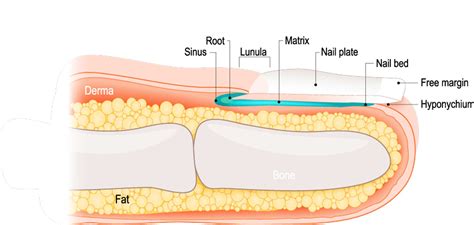
Nail pathologies encompass a wide range of conditions that affect the nails, including changes in appearance, texture, and structure. These conditions can result from infections, trauma, or underlying health conditions that affect nail growth and integrity.
The health of our nails is often a reflection of our overall well-being, yet many of us may overlook our nails until a problem arises. When nail issues occur, it can be due to various factors, including fungal infections, bacterial infections, trauma, or even underlying health conditions.
Causes of Toenail Problems
Several conditions can affect your toenails, including:
- Toenail fungus (onychomycosis)
- Nail psoriasis
- Bacterial infections
- Ingrown nails
- Trauma-related changes from injury or repetitive pressure
Each condition requires different approaches to treatment, which is why proper identification matters. Misdiagnosing foot fungus or toenail problems can lead to months of ineffective home remedies when professional care could resolve the issue more quickly.
Toenail Fungus (Onychomycosis)
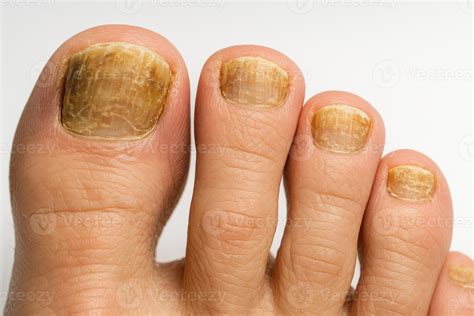
Toenail fungus, also called onychomycosis, is a common and stubborn infection affecting an estimated 6 to 7 million people. It is caused by various fungal organisms (fungi), with the most common being a type called dermatophyte, which feeds off keratin, a protein found in nails. Yeast, bacteria, and molds can also cause nail infections.
Fungal infections thrive in warm, moist environments, making the toenails especially susceptible. Fungal infections of the foot (athlete's foot) can spread to the nail, and a fungal infection of the nail can spread to the foot.
Fungal nail infections occur when a fungus infects the nail matrix and alters the way the nail grows.
Types of Fungal Nail Infections
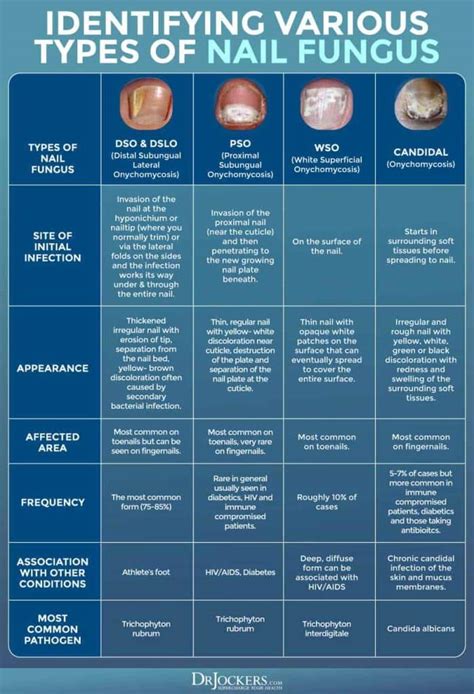
Fungal infections of the nails can be classified into different types based on the area of the nail affected and the type of fungus involved:
- Distal Subungual Onychomycosis (DSO): This is the most common type of fungal nail infection. It begins at the tip of the nail and works its way back towards the nail bed.
- Proximal Subungual Onychomycosis (PSO): This less common form begins at the base of the nail and spreads outward.
- White Superficial Onychomycosis (WSO): This type affects the surface of the nail, causing the nail to become chalky white or powdery.
- Candidal Onychomycosis: Caused by a yeast-like fungus (Candida), this infection affects the nail and the surrounding skin.
Spotting Toenail Fungus: Key Signs and Symptoms
Toenail fungus typically develops gradually, starting as a small discolored spot under the nail tip. The infection often causes:
- Yellow, brown, or white discoloration that spreads
- Thickened, brittle, or crumbly nail texture
- Distorted nail shape
- Slight odor
- Debris buildup under the nail
The affected nail may separate from the nail bed in advanced cases. Fungal infections usually affect one or two nails initially before potentially spreading to others.
Tinea unguium can change your toenail’s appearance in more than one way. Your toenail may:
- Change color, looking white, yellow or brown.
- Look chalky or cloudy in some spots.
- Thicken and possibly look misshapen.
- Separate from your nail bed (leaving space between your nail and the skin underneath).
- Crack or break in one or more spots.
Not typically. Toenail fungus can be unsightly to look at, but it usually isn’t painful.
Nail fungi like warm, moist, dark places. You can get toenail fungus by:
- Walking around the perimeters of swimming pools.
- Using a public locker room or shower.
- Walking barefoot in a public area.
Yes. But toenail fungus usually doesn’t spread beyond your toe.
Nail Trauma
Nail trauma is another common cause of nail pathologies. Trauma can occur from a variety of sources, such as accidents, pressure, repetitive stress, or improper footwear.
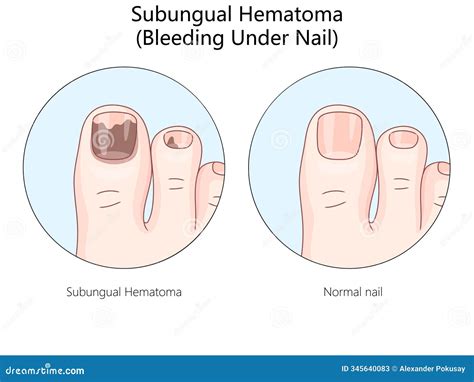
A fingernail or toenail can be injured by a blow to the nail or by closing the finger or toe in a door or drawer. This kind of trauma commonly results in blood under the nail, a condition called subungual hematoma.
Repeated trauma to toenails, caused by ill-fitting shoes, can lead to deformities in the nails. Habits such as nail biting and cuticle biting also can cause trauma to the nails. Nail biting is a main cause of acute paronychia, a type of infection in which bacteria get underneath the tissue at the side of the nail and cause swelling and irritation.
Repetitive picking at your thumb's nail and cuticle with your index finger can produce a line of horizontal hatch marks in the middle of the nail.
Toenail trauma can occur if you kick a coffee table or someone stomps on your foot in a soccer match. Or, nail trauma can be slow and repetitive, such as when you have a history of wearing tight-fitting shoes. It can also occur in people with poor blood flow, for example, in people with diabetes.
Thick or discolored toenails are often mistaken for fungal infections, but trauma is a common underlying cause. That’s why podiatrists may order an X-ray-even during a fungal nail consultation.
Subungual Hematoma
A subungual hematoma appears dark red under the nail. The treatment for a subungual hematoma is aimed at relieving pressure by draining the blood trapped under the nail.
For a small hematoma, you can heat a needle or the end of a paper clip until it is red-hot. Using gentle pressure, the hot tip can penetrate the nail, creating a small hole through which blood can drain. Some people do not feel comfortable doing this at home. Your physician can provide the same treatment in his or her office using a sterile blade or needle.
If blood takes up more than half of the area under your nail, a physician should evaluate the nail. If blood under the nail occupies more than half of the nail area, a physician should evaluate the finger because it could signify an underlying bone fracture or tissue tear.
Trauma-Related Changes
Trauma-related changes from dropping objects on your toe or repetitive pressure from shoes can cause discoloration, thickening, and nail separation similar to fungus. However, trauma-related changes usually appear suddenly after an injury and may include bruising.
The body responds to trauma in a typical way. It attempts to protect itself and so it creates layers upon layers of nail. Therefore, the nail becomes thicker. Often, the nail appearance can be mistaken for a fungal infection. However, the discoloration isn’t always indicative of this. This can also be due to the thickening of the nail. The increase in nail thickness makes it hard to see the pink nail bed beneath. The curling or curved shape of the nail is caused by one part of the nail growing at a faster rate than the other. This can happen when the nail matrix (the tissue where the nail grows from) is more traumatized than the other.
When the nail becomes too thick, it can put pressure on the nail bed underneath the nail and cause pain. If it gets quite long and you are unable to cut it yourself, it can also start to dig into the sides of your toe and sometimes cause an ingrown toenail, particularly if you wear tight-fitting shoes.
If the trauma to the nail injures the nail matrix (the tissue inside the cuticle at the base of the nail where new nail is formed), a ridge or split can develop.
Bacterial Infections
Bacterial nail infections, although less common than fungal infections, can still cause significant problems if left untreated. Bacteria can enter the nail through cuts, abrasions, or other types of trauma. Once bacteria invade the nail and surrounding tissues, they can cause inflammation, pain, and pus formation.
Paronychia: This is an infection of the skin around the nail, often caused by trauma or injury to the nail. It can be acute or chronic.
Onycholysis: This condition occurs when the nail separates from the nail bed, often due to trauma or a bacterial infection.
Nail Abscesses: A collection of pus beneath the nail caused by a bacterial infection.
Bacterial infections can cause greenish discoloration and swelling around the nail, often accompanied by pain and pus. These infections typically develop more rapidly than fungal conditions.
Other Nail Problems
Nail psoriasis can look remarkably similar to fungus, creating confusion for many patients. However, several key differences can help distinguish between the two.
Ingrown nails cause pain, redness, and swelling along the nail edges, sometimes with infection. While not resembling fungus visually, they're often confused because both cause discomfort.
Nail pitting (small dents) on the nail surface, oil drop-like discoloration, and crumbling that starts at the base rather than the tip can be characteristic of psoriasis. Psoriasis often affects multiple nails simultaneously and may occur alongside skin psoriasis symptoms.
In contrast, fungal infections usually start at the nail tip or sides, are characterized by progressive thickening and yellowing, typically affect one nail before spreading, and rarely cause pitting.
People with psoriasis elsewhere on their body are more likely to develop nail psoriasis, while fungal infections can affect anyone, particularly those with compromised immune systems or frequent moisture exposure.
Differentiating Between Conditions
Understanding the key differences between these conditions can help you seek the right treatment sooner.
| Characteristic | Toenail Fungus (Onychomycosis) | Nail Psoriasis | Trauma-Related Changes | Bacterial Infection |
|---|---|---|---|---|
| Onset | Gradual | Can be gradual or sudden | Sudden (after injury) or gradual (repetitive stress) | Rapid |
| Discoloration | Yellow, brown, white | Yellow-brown, red-brown (oil drops) | Red, brown, black (bruising), or discoloration from thickening | Greenish, yellow, or white |
| Texture | Thickened, brittle, crumbly | Thickened, crumbly (often from base) | Thickened, brittle, deformed | Can vary; may be softened or brittle |
| Shape | Distorted, thickened | Distorted, thickened, pitting | Deformed, thickened, curved | Can vary; swelling around nail |
| Nail Separation | Yes, in advanced cases | Possible | Yes, often due to injury | Possible |
| Pain | Usually not painful | Can be painful | Can be painful, especially with pressure | Often painful |
| Other Symptoms | Odor, debris under nail | Pitting, oil drops, affects multiple nails, may have skin psoriasis | Bruising, fracture (if severe trauma) | Swelling, redness, pus |
When Professional Diagnosis Becomes Essential
Home diagnosis of nail conditions is often inaccurate. Several situations warrant professional evaluation:
- Discoloration or changes affecting multiple nails
- Pain, swelling, or signs of infection
- Nail changes that worsen despite home care
- Uncertainty about the underlying cause
- Presence of diabetes or circulation problems
Podiatrists can perform nail clipping analysis, microscopic examination, or culture tests to definitively identify the cause of your nail problems. Lake Erie Podiatry specializes in comprehensive foot and ankle pain treatment, helping patients accurately diagnose and treat various nail conditions. Dr. Michael Ruiz can differentiate between toenail fungus, psoriasis, trauma-related changes, and other disorders of nail health.
Treatment Options
Treatment options vary significantly depending on the underlying cause of the nail problem.
Treating Toenail Fungus
Toenail fungus treatment options include:
- Topical antifungal medications: Creams, ointments, and lacquers are available over-the-counter or by prescription.
- Oral antifungal medications: In more severe cases, doctors may prescribe oral antifungal medications like terbinafine or itraconazole to clear the infection from the inside out.
- Laser Therapy: Some advanced treatments involve laser therapy, which targets the fungus without harming surrounding tissues. Lunula Laser Therapy is a safe, pain-free laser that targets fungus without damaging healthy tissue.
Treatment typically takes months due to slow nail growth. Toenail treatments-especially for fungus-can take several months to show full results.
Treating Nail Trauma
Immediate Care for Toenail Trauma:
- If part of the nail is still attached, avoid pulling or cutting it yourself.
- Gently clean the exposed nail bed with soap and water, then apply an antibiotic ointment and a clean bandage to protect it.
- Redness, swelling, pus, or increased pain could indicate infection.
- Wear open-toed shoes or protective footwear to minimize additional trauma.
Treatment for Subungual Hematoma:
The primary aim with treating nail trauma involves reducing the nail thickness. This helps interrupt the trauma-response cycle and reduces pressure on the nail bed underneath. Unfortunately, there is no way to get the nail to grow normally again after the nail matrix has been traumatized. However, your podiatrist can provide regular maintenance to manage the thickness and appearance of the nail.
Trauma-related changes usually improve as the nail grows out, though this process can take 6-12 months. Proper nail care and comfortable footwear help prevent recurrence.
If you’ve lost a toenail due to trauma or chronic conditions, once the initial injury heals, cosmetic solutions like toenail reconstruction may be an option. Best results with reconstruction occur when some portion of the natural nail is still present.
Even minor toe injuries can have long-term effects if not treated properly.
Treating Bacterial Infections
Bacterial nail infections typically require antibiotics, either topical or oral, depending on the severity.
Treating Nail Psoriasis
Nail psoriasis treatment may involve topical corticosteroids, vitamin D analogs, or systemic treatments for widespread psoriasis. Coordination with dermatology care is often beneficial.
Prevention and Home Care
Keeping your nails clean and dry is crucial. Wash your hands and feet regularly and dry them well. If you have a fungal infection, wash your hands after touching an infected nail.
- Apply an antifungal foot powder and moisturize your nails.
- Keep your nails trimmed. Cut nails straight across, smooth the edges with a file, and file down thickened areas.
- Disinfect your nail clippers after each use.
- Choose a nail salon that uses sterilized manicure tools for each customer.
- Wear properly sized shoes.
The outlook for treated nail conditions is generally excellent, especially with timely and accurate diagnosis and appropriate care.