Allergies to band-aids or medical adhesives can be more common than one might think. A reaction on the skin after using a band-aid might be indicative of an allergy. Understanding these allergies is crucial because they could lead to more severe skin damage over time. Adhesive reactions can cause skin redness, itchiness, or blisters where medical tapes or bandages are used, especially for those with sensitive skin. Allergic reactions to traditional bandages or surgical dressings can manifest as redness, itching, or a rash on the skin.
A true adhesive allergy happens when your immune system overreacts to chemicals in bandages, surgical tapes, or dressings. There are two main types of reactions: Allergic Contact Dermatitis (ACD), which is a delayed immune response where the body treats an ingredient in the adhesive as a threat, and Irritant Contact Dermatitis, which is not caused by an allergy but by the skin's reaction to friction or an irritating substance such as acids, soaps, detergents, and other chemicals. Irritant dermatitis usually causes quick redness, mild burning, and dry, flaky skin without blistering, while a true band-aid allergy causes increasing redness over 24-48 hours, blisters or oozing, intense itching, and a rash spreading beyond the adhesive area, with symptoms lasting several days.
Causes of Adhesive Allergies
Research shows several contributing factors to adhesive allergies. Common adhesive irritants and allergens include:
- Acrylates: chemicals used to make the adhesive sticky, found in many surgical tapes.
- Rubber accelerators: used in the production of rubber, which is used in the adhesive and pad of the bandage.
- Colophonium (rosin): a resin found in some band-aid adhesives.
- Preservatives or dyes: often added to adhesives.
- Latex: a natural rubber in some adhesives that can cause skin reactions.
- Fragrances: added to adhesives can trigger allergic responses.
You might wonder why some people develop allergies later in life. This often happens due to:
- Repeated exposure: sensitization over time.
- Post-surgical bandages: increased adhesive contact.
- Skin barrier damage: such as from eczema, dryness, or wounds.
- Aging changes in the immune system.
Even if you’ve used bandaids for years without issues, you can still develop an adhesive reaction on your skin later in life. Environmental factors, such as humidity or sweating under the bandage, can also exacerbate reactions. Sometimes, changes in the brand or type of adhesive used in the bandaid might also introduce new allergens.

Signs and Symptoms of Adhesive Allergy
Symptoms of an allergic reaction to bandages include redness, itching, swelling, blistering, and an allergic rash. These symptoms usually appear where the adhesive bandage was applied, but can spread to other parts of the body in severe cases. Bandaid allergy symptoms, a form of allergic reaction, usually appear at the site of contact with the adhesive. Symptoms can include redness, itching, swelling, blistering, and a rash. These symptoms can arise shortly after exposure and can persist for up to a few days after removing the bandage.
Typical adhesive allergy symptoms include:
- Red, itchy rash
- Burning or stinging
- Swelling
- Small bumps or blisters
- Adhesive allergy rash in the exact shape of the tape or bandage
- Skin peeling after bandage removal
- Adhesive allergy blisters or weeping skin in severe cases
These symptoms often last several days, even after removing the adhesive. In rare cases, adhesive allergies can cause anaphylaxis, a severe and potentially life-threatening allergic reaction.
Diagnosis of Band-Aid Allergy
Diagnosing a Band-Aid allergy typically involves a thorough medical history, physical examination, and specific allergy tests. Identifying an allergic reaction to bandages involves observing skin reactions following the application of a bandaid. Redness is often the first sign of an allergic reaction.
Methods used for diagnosis include:
- Medical History Assessment: Your healthcare provider delves into your medical history, uncovering details about adhesive exposure and previous skin reactions. You might be asked questions to help identify the cause of your condition and uncover clues about the trigger substance.
- Physical Examination: A detailed examination of the affected skin is crucial for diagnosing adhesive allergies.
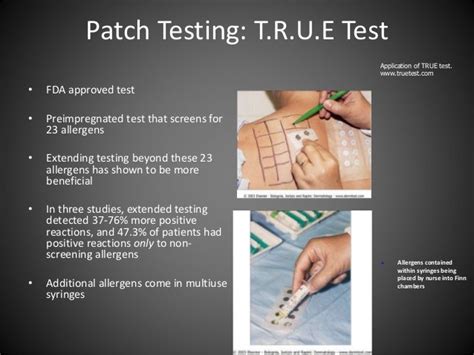
- Patch Testing: This is a crucial test performed to assess for allergic contact dermatitis. Small amounts of potential allergens are put on sticky patches, which are then placed on your skin. The patches stay on for 2 to 3 days, and the skin is examined for reactions. This is a weeklong test, and patients are often seen back after a few days because it can take 4 to 5 days before reactions are visible. This test can be useful if the cause of your rash isn't apparent or if your rash recurs often.
- Skin Prick Testing: In this test, a small amount of the suspected allergen is pricked or scratched into the skin, and the area is observed for a reaction.
- Elimination Test: In some cases, an elimination test involves avoiding the suspected adhesive for a specified period.
- Photopatch Testing: Assesses if sunlight triggers allergic reactions.
- Intradermal Testing: Reserved for rare instances, involves injecting small amounts of allergens under the skin.
It’s important to remember that self-diagnosis can lead to unnecessary avoidance of certain products or failure to address the real cause of symptoms. If you suspect you have a Band-Aid allergy, it’s always best to seek medical advice.
Treatment for Adhesive Allergy
There are numerous treatment options for Band-Aid allergies, ranging from medical treatments to home remedies. The most suitable treatment depends on the severity and frequency of your symptoms.
Home Care and Self-Treatment
If home care steps don't ease your signs and symptoms, your health care provider may prescribe medications. However, for mild reactions, several home remedies can be beneficial:
- Avoid the irritant or allergen: The key to this is identifying what's causing your rash and staying away from it. Your health care provider may give you a list of products that typically contain the substance that affects you.
- Clean the affected area: Gently remove the adhesive and clean the area with mild soap and water to remove any adhesive residues.
- Apply an anti-itch cream or ointment: Put on the itchy area 1% hydrocortisone cream or ointment (Cortizone 10, others). This is a nonprescription product that you can buy at a drugstore. Use it 1 to 2 times a day for a few days. Or try calamine lotion.
- Apply cool, wet compresses: These can help reduce inflammation and itching. Soak the affected area in cool water for 20 minutes.
- Protect your skin: Avoid scratching. Trim your nails. If you can't keep from scratching an itchy area, cover it with a dressing.
- Leave blisters alone: Blisters protect the skin and reduce infection risk. If large or painful, a clinician can drain them safely.
- Soak in a soothing cool bath: Soak the affected area in cool water for 20 minutes.
- Use moisturizers: Fragrance-free emollients help restore the skin barrier. Use moisturizers throughout the day - on top of any medicated cream you're using.
- Protect your hands: Rinse and dry hands well and gently after washing.
Medical Treatments
If home care steps don't ease your signs and symptoms, your health care provider may prescribe medications:
- Steroid creams or ointments: These are applied to the skin to help soothe the rash. You might apply prescription topical steroids, such as clobetasol 0.05% or triamcinolone 0.1%.
- Pills: Oral antihistamines, such as diphenhydramine (Advil PM, Benadryl, others), can help reduce itching and may also help you sleep better.
- Prescription-strength topical steroids: For severe reactions, these may be recommended.
- Calcineurin inhibitors: For sensitive areas.
- Wound care for open blisters.
- Antibiotics: Only if an infection is present.
- Corticosteroid injections: For severe or widespread symptoms.
- Immunomodulators: Such as tacrolimus or pimecrolimus, to help modulate the immune response.
In cases of anaphylaxis, a severe allergic reaction, immediate medical attention is required, and treatment with an epinephrine auto-injector is necessary. Seek care at a medical facility if you experience severe blistering, a widespread rash, symptoms that last more than a week, reactions to multiple adhesives, rash spreading beyond the bandage area, or signs of infection.
Hydrocortisone | How To Reduce Skin Irritation
Alternatives for Sensitive Skin
For individuals who frequently require medical adhesives and experience persistent allergic reactions, or for those with sensitive skin, there are many alternatives to traditional bandage adhesives available:
- Hypoallergenic bandages: These bandages are made without the usual allergenic adhesive components, making them suitable for those with adhesive allergies.
- Silicone-based adhesives: These adhesives are less likely to cause skin irritation, and they adhere well to the skin without causing pain upon removal. Silicone-based adhesives are often used in medical environments.
- Skin barrier film: This is a spray or wipe that forms a protective layer between your skin and the bandage. It can be easily removed with soap and water after you take off the bandage. It creates a safe layer between the skin and the bandage and should not be applied directly to the wound.
- Hypoallergenic tape: This includes cloth surgical tape or paper tape.
- Gauze and tubular bandages: Cut a piece of gauze and place it over your wound, then use an elastic tubular band to hold the gauze in place. These bandages do not require adhesive as they are secured with fasteners or clips.
- Liquid bandage: For minor cuts or abrasions, a liquid bandage can provide a safe and effective alternative. A liquid bandage is a topical skin treatment that dries to form a waterproof protective cover over the wound.
- Non-adhesive dressings: Use these with a wrap or tubular bandage instead of adhesive.
- Hydrocolloid dressings: These have a low-allergen profile and are excellent for wound healing.
If you’re allergic to traditional bandage adhesives, these are great options for people with adhesive bandage allergy, adhesive tape allergy, or general adhesive sensitivity.
Prevention and When to Seek Medical Advice
To reduce flare-ups and prevent future reactions:
- Apply a barrier film under adhesives.
- Rotate placement to avoid repeated irritation.
- Keep skin clean and dry before applying a bandage.
- Use non-adhesive dressings on broken skin.
- Avoid adhesives during eczema flare-ups.
- Choose products labeled for sensitive skin.
If you have a history of severe allergic reactions, it’s crucial to seek immediate medical attention, as severe reactions can lead to anaphylaxis. Consult a healthcare professional if you experience persistent or alleviated symptoms, if you suspect an adhesive allergy or contact dermatitis, or if your symptoms are severe or do not improve with home care.
If you develop a new rash after an operation, tell your doctor as soon as possible, as it may be an allergic reaction to medical tape rather than a reaction to the incision itself. If you notice a rash that resembles a grass rash, with red, itchy, and sometimes swollen skin areas after applying a bandaid, it would be wise to consult a healthcare provider. If you have symptoms when you go to the doctor, they’ll examine them. But if not, they’ll ask about your symptoms and their severity. They’ll also try to figure out what’s triggering your symptoms. If you can, bring Band-Aids you’ve used or anything else you think might have caused the allergic reaction.
MEDICAL EMERGENCY: If you have a rash all over your body, a fever, or the rash is painful or spreads quickly, call your doctor immediately. You may need to go to the emergency room.