Following the right aftercare is essential for achieving your most refreshed, natural-looking results after Botox® injections. Many individuals turn to Botox® and other wrinkle relaxers to smooth fine lines, prevent signs of aging, and achieve a rejuvenated appearance. This guide outlines crucial post-Botox® practices, including what NOT to do, to maximize your results and avoid common pitfalls, with a specific focus on the timing and potential risks associated with eyebrow waxing.
Understanding Botox®
Botox® is a neuromodulator that temporarily relaxes targeted muscles. By doing so, it effectively softens wrinkles and fine lines. While Botox® is primarily known for its cosmetic applications, it also has therapeutic uses for various medical conditions, including eyelid spasms, migraines, excessive sweating, and more.
The active ingredient in Botox® is botulinum toxin, which, when used properly by a trained professional, can provide significant cosmetic and therapeutic benefits. As a temporary treatment, the effects of Botox® typically last between three to four months.
Essential Botox® Aftercare Guidelines
Achieving optimal treatment results from Botox® hinges not only on the injection itself but also on diligent aftercare. It is imperative to follow the instructions provided by your healthcare provider to ensure a smooth recovery and prevent potential complications.
What to Avoid Immediately After Botox® Injections:
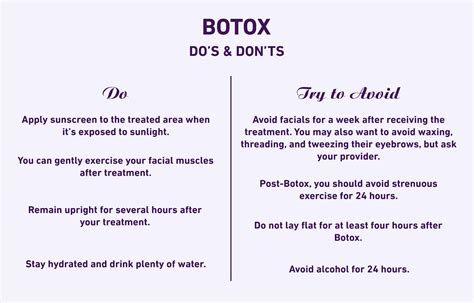
- Rubbing or Massaging Treated Areas: One of the most significant mistakes is applying pressure to the treated areas. Any rubbing or massaging can cause the neurotoxin to spread to unintended areas, leading to uneven results or, in rare cases, drooping eyelids (ptosis). It is advisable to avoid any type of facial massaging for at least 24 hours following treatment.
- Lying Down Too Soon: Lying down too soon after Botox® injections can cause the product to migrate away from the injection site, potentially leading to asymmetry or unintended muscle relaxation. It is recommended to remain upright for at least four to six hours post-injection. For those who sleep on their stomach, it's advised to sleep on your back for the first night.
- Intense Exercise: Engaging in intense exercise right away is not recommended. Increased blood flow from strenuous physical activity can dilute the Botox® before it has fully settled into the muscle, potentially diminishing its effectiveness. It's best to wait a full 24 hours after Botox® treatments to exercise.
- Alcohol Consumption: Both alcohol and certain medications act as blood thinners, increasing the risk of bruising and swelling. It is advisable to avoid alcohol in the days leading into and immediately after your injections.
- Heat Exposure: Heat can cause Botox® to break down too quickly, reducing its effectiveness. For the first 24 hours following Botox®, avoid heat from showers, baths, hot tubs, saunas, and tanning beds, as heat dilates blood vessels and increases circulation, which could lead to the shifting of Botox® and unnatural results or increased bruising.
- Certain Medications: Alcohol and medications like Advil, ibuprofen, and aspirin have blood-thinning properties. Avoiding them will help reduce bruising and make your results noticeable sooner. However, do not stop taking prescribed blood thinners without consulting your doctor.
- Facial Treatments: Treatments like dermaplaning and waxing should be postponed. You should wait at least 3-5 days before undergoing these facial treatments.
Post-Botox® Care Recommendations:
- Gentle Cleansing: Wash your face using a gentle cleanser and pat dry with a clean towel. Avoid hot water for at least 24 hours and do not use abrasive cleansers. Be gentle and apply only light pressure.
- Makeup Application: While there is little risk of wearing makeup immediately after injections, it's recommended to use new or clean brushes and lightly dab makeup on, avoiding rubbing, massaging, or pulling. Wait at least 24 hours before applying makeup.
- Hydration: Hydrate your skin with a good Hyaluronic Acid-based serum or moisturizer. Using antioxidant serums after treatment can help heal the skin and lessen irritation.
- Patience: Botox® takes time to start working. It can take between 3-7 days to notice the initial effects, and up to two weeks for full results.
Eyebrow Waxing and Botox®: The Crucial Timing
When planning cosmetic procedures, precise timing can be critical. A common question is regarding the safety of waxing eyebrows right before or after Botox® injections.
Waxing Eyebrows Too Soon After Botox®:
Waxing the eyebrows too soon after Botox® injections can potentially displace the Botox®, affecting its effectiveness. The mild trauma and pressure from waxing can cause the injected Botox® to move around in an unwanted way, potentially leading to migration or asymmetry. Therefore, it is generally advised to wait at least 24 hours after Botox® injections before getting your eyebrows waxed.
Waxing Eyebrows Before Botox®:
Conversely, if you are considering waxing your eyebrows before a Botox® treatment, it is recommended to schedule your waxing appointment at least 3-5 days before your Botox® treatment. This allows any temporary skin irritation from waxing to subside, ensuring a cleaner canvas for the Botox® injection and minimizing the risk of complications.
Preventing infection is crucial when undergoing any cosmetic procedure. To minimize risks, ensure that both waxing and Botox® procedures occur in a sterile environment. Discuss your treatment plans for both waxing and Botox® with your esthetician and Botox® provider to determine the best plan for your safety.
Potential Risks and Side Effects
While Botox® is considered safe, potential risks and side effects can occur, especially if aftercare instructions are not followed. Understanding these can help you recognize when to seek professional advice.
- Botox® Migration: As mentioned, pressure on the treated areas can cause the neurotoxin to migrate. This can lead to uneven results or unintended effects.
- Drooping Eyelids (Ptosis): This is a rare but serious risk associated with Botox® injections, particularly if the Botox® spreads to unintended areas around the eyes or if post-treatment care is neglected.
- Double Vision: This is another rare risk that can occur if the Botox® spreads to unintended areas around the eyes.
- Bruising and Swelling: Increased blood flow from alcohol or certain medications, as well as the physical trauma of injections or waxing, can increase the risk of bruising and swelling.
- Temporary Skin Irritation: This is a common side effect of waxing and can occur after Botox® injections. Choosing gentle, soothing products designed for sensitive skin, such as aloe vera gel or fragrance-free moisturizers, can help.
When to Consult a Professional
While most side effects are temporary and resolve on their own, it's important to consult your healthcare provider if you experience any unusual or persistent symptoms after your Botox® treatment. This includes significant drooping, vision changes, or severe pain or swelling.
At practices like The Hudson Med Spa or Pure Medical Spa, certified injectors prioritize natural-looking results and provide thorough aftercare guidance. Always consult with your esthetician and Botox® provider to determine the best plan for your safety and to maximize your results.