Maintaining clean skin is fundamental to preserving its natural radiance and overall health. The initial step in achieving this involves selecting the appropriate product for cleansing, whether it be a cleanser or a face wash. Many individuals are unsure about the distinctions between these two types of skincare products. The decision between a cleanser and a face wash largely depends on your specific skin type and your personal skincare objectives.
Understanding the Role of Cleansers and Face Washes
Regardless of the terminology used, the primary function of any skincare face wash or cleanser is, as the name suggests, to clean the face. Both types of products are engineered to emulsify water-insoluble substances, such as environmental pollutants, cosmetics, and natural skin secretions like sebum and dead skin cells, transforming them into fine particles that can be easily washed away with water.
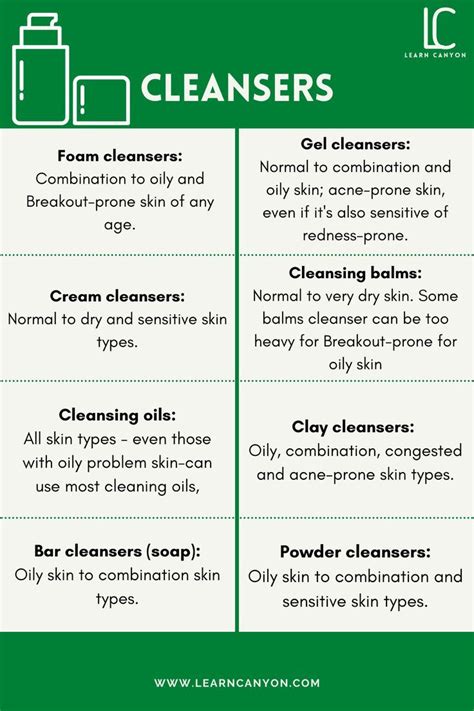
Choosing the right cleanser or face wash is particularly crucial for individuals dealing with specific skin concerns such as acne, atopic dermatitis, rosacea, or the visible signs of aging. For instance, those with acne-prone skin might find a liquid cleanser that rinses off easily to be beneficial, while individuals with photoaged skin may prefer a cleanser containing humectants and emollients.
Regardless of your choice, a good cleanser should effectively remove dead skin cells without stripping the skin of its essential natural oils, ensuring that your skin feels nourished. It's also important to note that bar soap is generally not recommended for facial cleansing.
Cleansers vs. Face Washes: Is There a Difference?
While the formulations of cleansers and face washes have evolved significantly, there isn't an "official" or universally agreed-upon distinction between them. The most important factors are the active ingredients and how they align with your skin type and desired outcomes. Both product types utilize surfactants, which are detergents that help wash away impurities. They also contain both water-loving (hydrophilic) and water-repelling (hydrophobic) ingredients. The hydrophobic components are attracted to oil, enabling them to bind to impurities, trap them, and subsequently remove them from the skin.
Although a strict distinction is lacking, certain characteristics are more commonly associated with each:
- Face washes: These are typically foamy and are generally considered gentler than traditional bar soaps. They are often formulated to penetrate deeper into the skin's layers to address clogged pores. Face washes are frequently, though not exclusively, water-based formulations with astringent properties.
- Cleansers: These are designed to remove dirt, makeup, and excess oils from the skin's surface. They are often perceived as gentler than face washes and are commonly creamy, non-foaming, and hydrating. Cleansers, whether for dry or oily skin, can be either water-based or oil-based, and some do not require rinsing.
Ultimately, the selection of a facial cleansing product should be guided by your skin type and the specific ingredients that will help you achieve your skincare goals. For dry, sensitive, and sun-damaged skin, a moisture-rich cleanser with humectants (such as hyaluronic acid and glycerin) and emollients (like ceramides) is recommended. Oily, combination, and acne-prone skin may benefit from formulations designed to tackle excess grease, incorporating gently exfoliating ingredients like pyrithione zinc, salicylic acid, and benzoyl peroxide. These ingredients work to penetrate the skin's surface, cleanse clogged pores, and help prevent breakouts.
Individuals with conditions such as atopic dermatitis, psoriasis, rosacea, or other chronic skin issues may find relief with mild cleansers to avoid further irritation of sensitive skin. Regardless of your skin type or specific concerns, it is advisable to opt for face washes or cleansers that are free from unnecessary additives like fragrances and dyes, and to always avoid ingredients that can clog pores.
What Constitutes a "Good" Face Wash for Acne?
Skin is unique, and what proves effective for one person may not be so for another. However, as a general guideline, acne-prone skin often responds well to a foaming face wash that can penetrate more deeply to clear clogged pores. It is important not to hesitate in trying a different product if a particular cleanser is not working for your skin. You are not obligated to continue using a specific face wash simply because you have acne-prone skin, nor are you bound to an oil cleanser if your skin is dry.
Exploring Double Cleansing
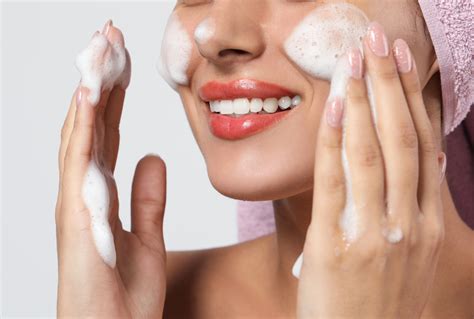
Double cleansing is a skincare technique that involves using two different types of cleansers sequentially, combining both oil-based and water-based cleansing. This method is designed to be gentle yet thorough, effectively removing makeup, sunscreen, sweat, dirt, and other daily accumulations. It is essential to select two cleansers that complement each other, as over-cleansing is a possibility. The order in which you apply the products is also significant: the first step should involve an oil-based cleanser to break down and remove makeup, oil, and dirt, followed by a water-based cleanser.
The double cleansing method can offer benefits for all skin types, though not all product combinations are suitable for everyone. As with any cleansing routine, the double cleansing approach should be tailored to your specific skin type. For oily or combination skin, a micellar water cleanser followed by a foaming cleanser is often recommended. Normal or dry skin typically benefits from a hydrating oil cleanser followed by a hydrating facial cleanser.
Finding Products That Suit Your Skin
Personalized skincare solutions can help demystify the process of selecting the right products. By understanding your skin type and specific concerns, you can identify cleansers that effectively address your needs. For example, individuals with normal to dry skin might find a hydrating cleanser to be most suitable, while those with oily or acne-prone skin may prefer a gel or foaming cleanser that helps control excess oil and clear pores.
When choosing a facial cleanser, it is beneficial to consider its formulation and ingredients. Water-based cleansers, often formulated as gels or foams, are generally suitable for most skin types, particularly normal, oily, combination, and acne-prone skin. Cleansers with oil, which have a richer texture and provide more moisture, can be beneficial for dry, sensitive, and eczema-prone skin, as well as for makeup wearers. Regardless of the base, opting for gentle, non-drying, and non-comedogenic formulas is key.
Tips for Integrating Cleansing into Your Routine
To maximize the benefits of your facial cleanser, thoughtfully incorporate it into your daily skincare regimen. Cleansing is a foundational step in both your morning and evening routines, helping to remove makeup, excess oil, and daily impurities while preparing your skin to absorb subsequent active ingredients.
Application Techniques:
- Dispense the cleanser into your hands.
- Using gentle, circular motions, massage the cleanser onto wet or dry skin, depending on the product's instructions.
- Avoid harsh scrubbing.
- Always perform a patch test on a small area of skin before full application to check for any adverse reactions.
- Refer to the product's usage details for the safest and most effective application method.
Follow-up Steps: After cleansing, consider using a toner to provide additional exfoliation, hydration, and support for your skin's barrier. Toners can help remove any residual traces of makeup or dirt and loosen the bonds holding dead skin cells together, revealing smoother, more radiant skin. Following this, apply targeted treatments to address specific skin concerns, and conclude with a moisturizer to lock in the benefits of your treatments and support the skin barrier.
Double Cleanse Routine
The Multifaceted Benefits of Facial Cleansing
Incorporating a facial cleanser into your daily routine is a simple yet impactful step toward achieving healthier, more radiant skin. The advantages extend beyond mere surface-level cleansing:
- Thorough Cleansing and Impurity Removal: A primary function of facial cleansers is to effectively clean the skin by unclogging pores and removing impurities. Throughout the day, your skin accumulates dirt, bacteria, excess oil, and environmental pollutants that can contribute to breakouts and a dull complexion. Regular cleansing removes these impurities, giving the skin a fresh appearance.
- Maintaining Skin Hydration: Contrary to a common misconception, cleansing your face does not necessarily strip it of moisture. In fact, using a gentle and hydrating facial cleanser can help preserve your skin's natural moisture balance. Many modern cleansers are formulated with moisturizing ingredients that cleanse without causing over-drying.
- Enhanced Product Absorption: Applying nourishing serums or moisturizers to a face covered in dirt and grime is ineffective. Cleansing your face prepares your skin for better absorption of subsequent skincare products. When your skin is clean and free from barriers, it can readily absorb the active ingredients from serums, moisturizers, and treatments.
- Acne Prevention: Acne is often a result of excess oil production, dead skin cells, and bacterial buildup. Regularly using a facial cleanser can help prevent these factors from triggering breakouts. By removing excess oil and unclogging pores, a facial cleanser reduces the breeding ground for acne-causing bacteria.
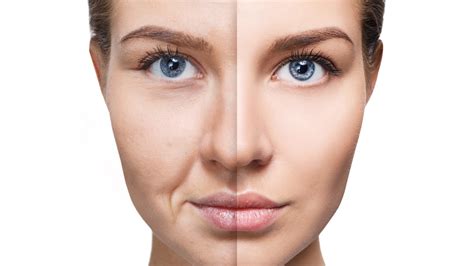
- Anti-Aging Effects: While aging is a natural process, a well-formulated facial cleanser can contribute to maintaining youthful-looking skin. As you age, your skin's ability to shed dead cells and regenerate new ones slows down, which can lead to a dull and uneven complexion. Regular cleansing promotes cell turnover, revealing fresher skin underneath.
- Relaxation and Self-Care: Cleansing your face is not solely about physical benefits; it can also serve as a soothing ritual that provides mental relief. Taking a few minutes each day to cleanse your face offers an opportunity to unwind and practice self-care. The gentle, massage-like motions during application can promote blood circulation and relaxation.
Consistent cleansing is essential for keeping your skin looking radiant and healthy. It supports the efficacy of anti-aging products, helps maintain proper pore size, encourages adequate skin hydration, and prevents the production of excess oils.
How to Choose the Right Facial Cleanser
With a vast array of cleansing products available, selecting the right one can seem daunting. Here are some straightforward tips to guide your choice:
- Consult a Professional: Consider seeking advice from a dermatologist or skincare specialist. A trained professional can recommend products tailored to your individual needs.
- Know Your Skin Type: Choose a cleanser that is a good match for your skin type. If you have dry skin, avoid cleansers with high alcohol content. Those with oily skin may benefit from a cleanser with a lower pH level. For sensitive skin, opt for a basic cleanser free from heavy fragrances and additives.
- Consider the Delivery Type: Cream-based cleansers are excellent for dry skin, while gel or foamy cleansers are generally better suited for oily skin types.
- Address Specific Concerns: If you wear a lot of makeup, look for a cleanser specifically designed for makeup removal. If you experience significant sweating from exercise, consider a product that targets clogged pores. For allergy concerns, seek out "natural" cleansers free of synthetic ingredients.
- Look for "Gentle" Formulations: Most cleansers marketed as "gentle" are effective at removing dirt without over-drying or irritating the skin.
- Balanced pH is Key: Selecting a cleanser with a balanced pH will help maintain your skin's natural equilibrium.
- Compare Products and Read Reviews: Take your time comparing different products and read customer reviews to gauge their effectiveness and suitability for various skin types.
In summary, incorporating a facial cleanser into your daily regimen is a small yet significant step toward achieving healthier and more radiant skin. The benefits encompass improved hydration, enhanced absorption of skincare products, acne prevention, anti-aging effects, and relaxation. When selecting a facial cleanser, prioritize one that aligns with your skin type and concerns. Consistency in your cleansing routine is paramount for noticeable improvements in your skin's overall health and appearance.