Skin irritation around a stoma is a common and often uncomfortable issue faced by individuals with ostomies. This condition, also known as peristomal skin irritation, can impact the effectiveness of the ostomy pouching system and lead to pain and further skin damage. Understanding the causes and implementing appropriate treatment strategies are crucial for maintaining healthy skin around the stoma.
Common Causes of Stoma Skin Rash
The most frequent culprit behind skin irritation near a stoma is leakage from the ostomy pouch. When output from the stoma, such as feces or urine, seeps underneath the adhesive barrier, it comes into direct contact with the delicate skin, causing irritation. The skin around the stoma should ideally resemble the skin on the rest of your body. Any deviation, such as redness, soreness, or broken skin, warrants a closer look.
Several factors can contribute to this leakage and subsequent irritation:
- Poor Pouch Fit: An ill-fitting pouching system, where the opening is not correctly sized or shaped for the stoma, can expose the skin to stoma output. Assessing the diameter and shape of your stoma and ensuring your template matches is vital. The position of the stoma opening relative to the skin surface (above, level, or below) also plays a role, potentially requiring different pouch types or accessories for optimal fit.
- Adhesive Erosion: If the adhesive on the baseplate erodes prematurely, it can lead to leaks. This may indicate that the pouch needed to be changed more frequently.
- Changes in Stoma Size or Shape: Weight fluctuations, scars, skin creases, or swelling around the stoma can alter its shape and size, necessitating adjustments to the pouching system.
- Improper Skin Preparation: For optimal adhesion, the skin around the stoma must be clean and completely dry before applying the baseplate. Using cleansing products with perfumes, moisturizers, fragrances, or oils, as well as alcohol-based products, can interfere with adhesion and irritate the skin.
- Mechanical Irritation: This can occur from the pressure of the pouching system or from a gentle touch when washing the area around the stoma, as well as when removing the skin barrier. It often presents as red, weepy areas around the stoma.
- Allergic Reactions: While rare, an allergic reaction to the adhesive or other components of the appliance, such as deodorizers, fragrances, or preservatives, can cause irritation.
- Infection:
- Folliculitis: Infection in the hair follicles can develop if hair around the stoma is shaved too often, incorrectly, or if the adhesive plate is removed forcefully, tearing out hair. This can manifest as tiny red, painful bumps.
- Fungal Infections: Red or purple patches, or white substance over affected areas, along with itching and burning, could indicate a fungal infection. These thrive in moist, dark areas.
- Bacterial Infections: Micro-organisms can proliferate in the warm, humid, and soiled environment of the stoma. Bacterial infections are confirmed by swabs and may be treated with antiseptics.
- Trauma and Skin Damage: Aggressive removal of the flange, tearing out hair, or using excessive force can damage the skin.
- Underlying Skin Conditions: Conditions like psoriasis or pyoderma gangrenosum can also present around a stoma, especially in individuals with a predisposition or associated medical conditions.
Assessing and Diagnosing Stoma Skin Rash
A thorough assessment is the first step in addressing stoma skin irritation. This involves carefully examining the skin around the stoma to identify the source of the problem. Key questions to consider include:
- Does the skin look similar to the rest of your body?
- Is there any sign of feces or urine that could have caused the irritation?
- How well does the pouch fit around the stoma?
- Has the adhesive eroded, suggesting the pouch may have needed changing earlier?
- Has there been a recent change in the shape or size of your stoma?
- Have you gained or lost weight, which could alter your abdominal shape?
- Are there any skin creases, scars, or swelling around the stoma?
If the irritation persists or is severe, it is essential to consult with a stoma care nurse or doctor. They can help diagnose the specific cause, whether it's irritant contact dermatitis, mechanical irritation, fungal infection, or another issue, and recommend the appropriate treatment.
Treatment and Management Strategies
Managing stoma skin irritation involves a multi-faceted approach focused on protection, healing, and prevention.
Immediate Care for Irritated Skin
If you have irritated skin, following these guidelines can help promote healing:
- Skin Protection: Cover the irritated skin with a thin hydrocolloid sheet (dressing) or a liquid skin protectant. These products create a barrier, shielding the skin from further irritation and moisture.
- Ostomy Powders and Skin Prep Wipes: These can be helpful but must be used correctly. If not applied properly, they can worsen irritation and lead to long-term skin damage. It is generally recommended to use ostomy powder or skin prep wipes for only a few days at a time.
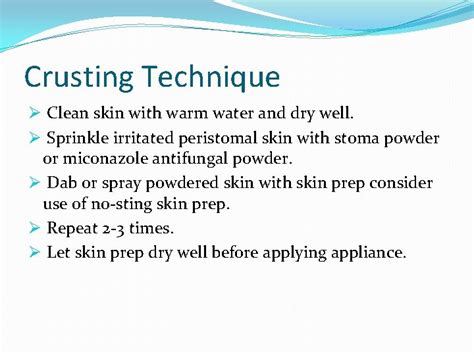
- The Crusting Technique: This method provides a protective layer for open or irritated skin:
- Cleanse the skin around the stoma with warm water and pat dry. Gently remove any residue from stoma paste by rolling it off with a dry washcloth or using an adhesive remover; avoid scrubbing. Pat the skin dry thoroughly.
- Sprinkle stoma powder directly onto the irritated areas. Dust off any excess powder to prevent clumping. The powder will not harm the stoma.
- Gently "blot" or "dab" a skin barrier spray or wipe (like Brava) over the stoma powder. This seals the powder onto the skin. If using an alcohol-based skin sealant, fan the skin to reduce any burning sensation until the alcohol dries.
- After 10-15 seconds, a protective "crust" will form on the skin. Repeat this process, allowing each layer to dry completely before applying the next.
- Once the area is dry, apply your pouching system as usual.
Addressing Specific Causes
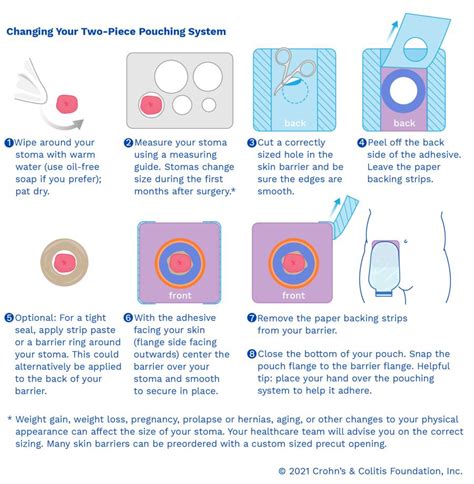
- Pouch Fit: Re-measure your stoma regularly and ensure the barrier is cut to size, typically 1/8 inch larger than the stoma. If your stoma has changed shape or size, adjust your template accordingly. For stomas that are level with or below the skin surface, or situated in deep folds, a different type of pouch or accessories may be necessary.
- Leakage Prevention: Change your pouch on a regular schedule before any output can get onto your skin. Ensure the flange fits snugly around the stoma without digging into it.
- Skin Damage During Removal: Use an adhesive remover to gently loosen the skin barrier. When removing the adhesive, start at the fingerlift tab and peel slowly and gently at a low angle, supporting the skin as you pull. For certain adhesives, a wet cloth may be used.
- Shaving Hair: If you need to shave around your stoma, avoid shaving creams. Use clean warm water and a new disposable razor. Alternatively, an electric shaver can be used, or scissors to clip the hairs.
- Allergic Reactions: If an allergy to the adhesive is suspected, consult your stoma care nurse about alternative wafers that might be kinder to your skin, such as those containing ceramides.
- Fungal Infections: Always dry your skin thoroughly before applying a new pouching system, as fungal infections thrive in moist environments.
Skin Breaks
Taking a "skin break" involves leaving the skin around your stoma uncovered for 15 to 30 minutes after removing the pouching system. This can help with existing irritation or prevent it from occurring. During a skin break, you can hold a towel, portable urinal, or other container over your stoma to manage any output.
When to Seek Professional Help
If your skin irritation does not heal after one week of home care, or if you experience significant pain or bleeding, contact your wound, ostomy, and continence (WOC) nurse or your doctor. Sending pictures of your irritated skin to your nurse or doctor can be helpful for diagnosis. It is important to remember that you do not have to live with sore skin or leakages.
Stoma Care- Changing a Colostomy Bag (Nursing Skills)
Good skin care is fundamental to successful stoma management. By understanding the potential causes of peristomal skin irritation and implementing appropriate preventive and treatment measures, individuals can maintain healthy skin, ensure the optimal functioning of their ostomy appliance, and improve their overall quality of life.