Lagophthalmos is a medical condition characterized by the inability of the eyelids to close completely, leaving a portion of the eye exposed. This condition can sometimes develop after blepharoplasty, a surgical procedure designed to improve the appearance and functionality of the eyelids by removing excess skin and repositioning tissues. Commonly performed on upper and lower eyelids, blepharoplasty can enhance vision obstructed by sagging skin and provide a more youthful look.
Lagophthalmos following blepharoplasty can be a concerning complication. It may occur due to swelling or tightness in the eyelid muscles, and while often temporary, it can cause discomfort, irritation, dryness, or muscle tension in the eyelid area. If not addressed, it may also lead to potential damage to the cornea.
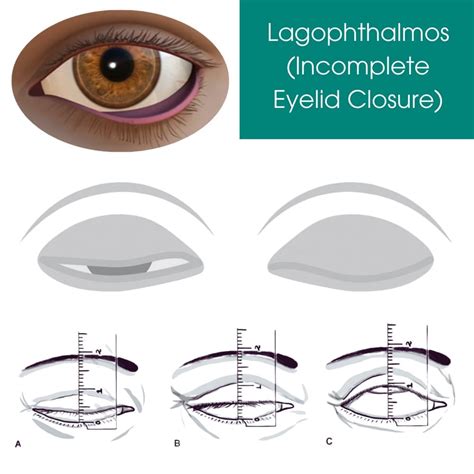
Causes of Lagophthalmos After Blepharoplasty
Several factors can contribute to the development of lagophthalmos after blepharoplasty:
Surgical Trauma to Nerves and Muscles
One of the primary reasons lagophthalmos develops after upper blepharoplasty is trauma to the delicate eyelid muscles or their controlling nerves during surgery. The eyelid relies mainly on the orbicularis oculi muscle to close fully. If, during the operation, this muscle or its nerve supply-the facial nerve-is stretched, irritated, or partially damaged, the eyelid’s ability to seal properly can weaken. This isn't always a result of surgical error but often reflects the intricate nature of operating in such a small, delicate area where millimeters matter. When muscle function is compromised, even slightly, patients may notice an incomplete blink or a persistent gap in the eyelids when trying to close their eyes. For example, if the surgeon presses too firmly while manipulating tissues or accidentally disrupts small nerve branches, you might experience partial paralysis or muscle weakness. This scenario explains why some patients wake up after surgery finding their eyes do not close comfortably. While many regain function as swelling subsides and nerves heal over days or weeks, initial trauma is a key factor leading to this condition.
Excessive Skin Removal
Another significant cause of lagophthalmos lies in overly aggressive removal of skin and underlying muscle during blepharoplasty. Surgeons must carefully measure and estimate how much tissue to excise; if they remove too much, there simply won’t be enough remaining skin to cover the eye when it closes. This tightness physically restricts eyelid movement, preventing full closure. The results look like a constant slight opening even when the patient tries to sleep or blink fully. Precision in preoperative assessment is crucial because minor miscalculations-just a few millimeters too much skin removed-can drastically affect eyelid function. The natural elasticity and stretchability of skin vary from person to person depending on age, skin type, and previous surgeries. Therefore, conservative excision combined with intraoperative testing of eyelid tension is recommended as a safeguard against this outcome.
Scarring and Postoperative Swelling
Beyond surgical trauma and skin removal errors, scarring and postoperative swelling also play important roles in developing lagophthalmos. Scar tissue can tighten around the eyelid margin, causing fibrosis that limits mobility long-term if not addressed early. Meanwhile, edema and inflammation right after surgery often temporarily worsen eyelid closure but typically improve within a few weeks as swelling decreases.
Other contributing factors to lagophthalmos can include conditions such as:
- Facial paralysis, like Bell’s palsy.
- Thyroid eye disease.
- Floppy eyelid syndrome.
- Protruding or sunken eyes.
- Autoimmune conditions.
- Tumors.
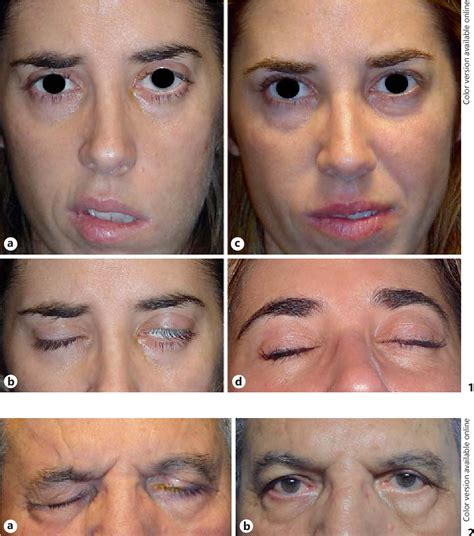
Symptoms of Lagophthalmos
The most common symptoms of lagophthalmos include:
- Dryness of the eyes.
- Redness and irritation.
- Excessive tearing (as the body tries to compensate for dryness).
- Difficulty blinking or closing eyes completely, especially during sleep.
- Muscle tension in the eyelid area.
If left untreated, lagophthalmos can lead to more serious issues such as keratitis, which is inflammation or irritation of the cornea due to constant exposure.
Assessing Severity and Functionality
Assessing the severity of lagophthalmos is crucial for determining the most effective treatment plan. This involves observing eyelid mobility and measuring any gap that remains when the eyes are closed.
Clinical Examination
An ophthalmologist or oculoplastics specialist will carefully observe the eyelid’s mobility and measure the gap between the upper and lower eyelids. Even small gaps, as little as a millimeter, can expose the cornea to air, leading to dryness and irritation. Medical experts often categorize lagophthalmos into stages based on the eyelid closure gap:
- Mild: Less than 2 mm gap.
- Moderate: Between 2 and 5 mm gap.
- Severe: Greater than 5 mm gap.
Functional Impact Assessment
Beyond measuring physical gaps, assessing the functional impact on the patient's daily life is vital. This includes understanding how lagophthalmos affects blinking frequency and completeness, leading to symptoms like burning sensations, grittiness, blurred vision, and light sensitivity. Evaluations may also include measuring the tear film breakup time (TBUT), which indicates how quickly tears evaporate from the eye surface. A shorter TBUT suggests greater drying and increased vulnerability.
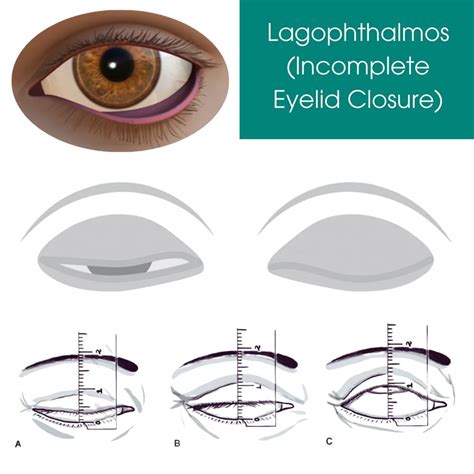
Treatment and Management Options
To fix lagophthalmos, various treatments and practices can be implemented to restore normal eyelid function after blepharoplasty. These range from non-surgical remedies to surgical corrections.
Non-Surgical Remedies
Managing lagophthalmos after blepharoplasty typically begins with conservative, nonsurgical approaches:
Lubricating Eye Drops and Ointments
Lubricating eye drops or ointments are essential for keeping the eyes moist and relieving symptoms of dryness. These products should be used regularly as recommended by a healthcare provider to ensure the eyes remain protected. Thicker lubricating gels or ointments are often recommended for nighttime use to provide a protective barrier during sleep.
Eyelid Exercises and Massage
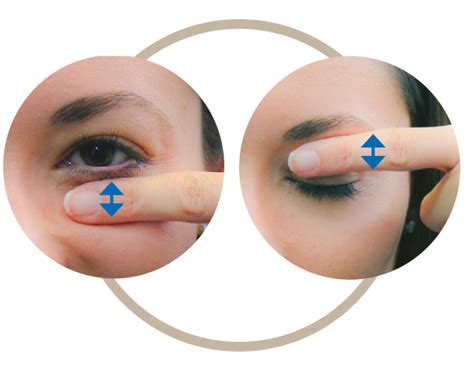
Performing gentle eyelid exercises and massages can help improve muscle function and flexibility. Common techniques include:
- Eyelid closing practice: Gently try to close eyes completely while placing fingers lightly on the eyelids for resistance.
- Blinking drills: Practice intentional, slow blinking by closing eyes fully and holding them closed for a few seconds before opening.
- Circular massage: Apply gentle circular motions around the upper and lower eyelids to stimulate blood flow and reduce tightness.
- Stretching exercises: Gently pulling the upper or lower eyelids outward while keeping the eye closed to improve flexibility.
Protective Measures During Sleep
Using a humidifier in the bedroom can help maintain moisture levels in the air. Additionally, wearing an eye mask or using eyelid adhesive tapes, as advised by a surgeon, can protect the eyes and encourage complete eyelid closure during sleep.
Surgical Correction Techniques
In cases where non-surgical methods are insufficient, surgical interventions may be necessary:
Gold Weight Implants
Insertion of gold weight implants into the upper eyelid is a widely used method. These tiny implants add enough gravity to help the eyelid close naturally with minimal effort. This procedure is typically an outpatient surgery that balances cosmetic considerations with functional improvement. Success rates for gold weight implants are high, though rare complications like extrusion can occur.
Tarsorrhaphy
Tarsorrhaphy involves partially sewing the outer corners of the eyelids together. This effectively reduces the size of the eye opening, making it easier for weakened eyelids to close fully. It is an effective method for protecting the cornea from drying out and damage.
Eyelid Position Adjustment and Spacer Grafts
Surgical procedures may also involve changing the position of the top or bottom eyelid. In cases of drooping lower eyelids, a tarsal strip canthoplasty can tighten the eyelid. Spacer grafts may be used to provide support and help return the lid to its normal position. For severe sagging, procedures like canthoplasty or canthopexy might be needed.
OCULID® Eyelid Weights | Lagophthalmos Surgery | FCI Eyelid Repair
The Healing Process and Prognosis
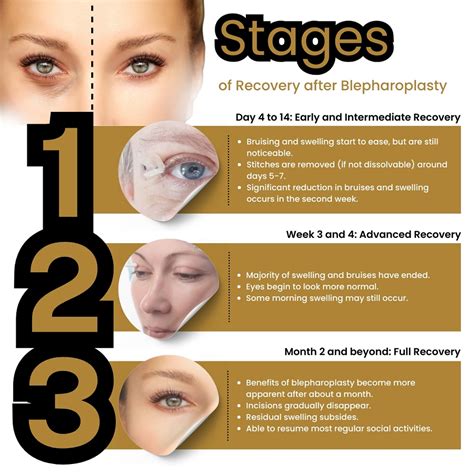
The healing process after blepharoplasty can vary. In the initial weeks, swelling typically decreases, allowing eyelids to regain more natural movement. As healing progresses, eyelid muscles often adapt, improving their ability to close fully. Complete healing can take several weeks to months, even with adherence to the post-operative care program.
While mild lagophthalmos often resolves on its own as swelling subsides and tissues soften, persistent or severe cases may require intervention. With proper care and surgical technique, long-term lagophthalmos is uncommon. If the issue persists despite non-invasive approaches, a surgeon might discuss minor corrective procedures to achieve optimal eyelid function. Factors such as genetics, injury, age, and disease can affect the eyes and supporting structures, influencing the healing timeline and outcome.
tags: #how #to #fix #lagophthalmos #after #blepharoplasty