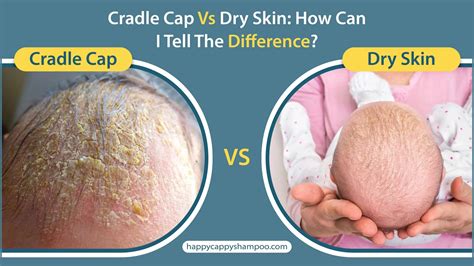
Babies are known for their soft, smooth skin. However, it's not uncommon for newborns and babies to develop flaky and scaly patches on their scalp. This condition is known as cradle cap, medically termed infantile seborrheic dermatitis. Symptoms typically include rough, scaly, crusty, or oily patches on the baby's scalp. Despite its appearance, cradle cap is not indicative of an illness and is neither harmful nor painful for the baby.
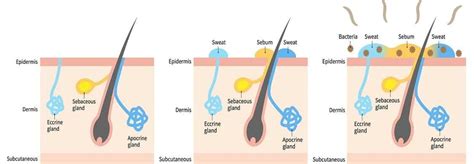
The exact causes of cradle cap are still not fully understood. One contributing factor may be hormones that pass from the mother to the baby before birth, which can lead to an overproduction of sebum in the oil glands and hair follicles. While cradle cap usually clears up on its own within a few months and often doesn't require treatment, there are methods to manage it if it is bothersome.
Understanding Cradle Cap
Cradle cap is most commonly found on a baby's scalp, which is how it got its name. It is a common condition, primarily affecting babies up to 3 months old, though it can persist up to a year or longer. Most cases resolve by a child's first birthday, with occurrences significantly decreasing as a child approaches four years of age. While typically located on the head, cradle cap can sometimes affect the skin under the eyebrows, on the nose, armpits, or groin. The flakes can be either dry or greasy and are usually white or yellow.
Cradle cap is considered harmless, and medical treatment is not always necessary. However, if you wish to remove it, several safe home remedies can be employed. It's important to note that most of these remedies are not scientifically proven, and results may be temporary. Ultimately, many children simply outgrow cradle cap.
Potential Causes and Contributing Factors
While the precise cause remains elusive, hormonal influences from the mother during pregnancy are suspected. These hormones might stimulate excessive sebum production by the oil glands and hair follicles. Additionally, there's a potential link to a type of yeast called Malassezia, which is also associated with dandruff in adults. This yeast feeds on sebum, and its byproducts may contribute to inflammation and scaling. In rare instances, cradle cap might be associated with a food allergy or, even more rarely, with immunodeficiency, which would present with other accompanying symptoms.
Home Remedies for Cradle Cap
Caring for a newborn's hair and skin, including managing cradle cap, can seem daunting. For babies with cradle cap, several gentle methods can help loosen and remove scales.
1. Brushing the Scalp
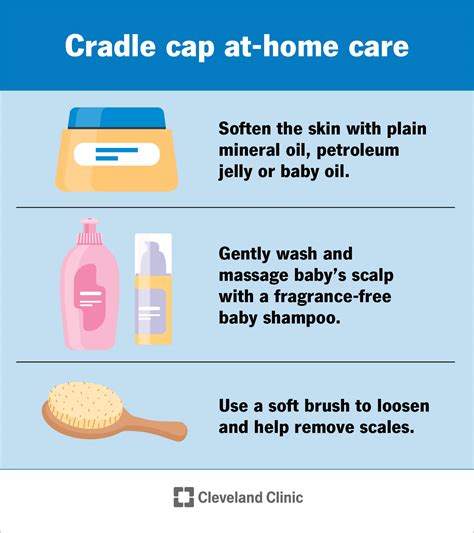
Gently brushing your baby's scalp is an effective way to remove some flakes. It is crucial to be careful not to pick or scrape at the scales, as this can irritate the scalp and potentially cause small cuts that could become infected. Special brushes designed for cradle cap are available, or a soft-bristled toothbrush can also be used. This method can be performed on wet or dry hair, ideally once a day. If the scalp shows any redness or agitation, reduce the frequency of brushing. Brushing helps remove flakes and can promote overall scalp health.
To use this method:
- Slowly brush the affected area of the scalp in one direction to loosen flakes.
- Continue brushing through the hair to remove flakes from each hair strand.
- Brush once a day. If the scalp becomes red or agitated, brush less often.
2. Hydrating the Scalp with Oils
Hydrating the scalp is beneficial for loosening flakes and may nourish the underlying skin. Pure plant oils such as olive, coconut, jojoba, or almond oil can be used. Baby oil or petroleum jelly are also options. It's advisable to test a small amount of oil on your baby's scalp first to check for any irritation. This method can be used once a day.
To use this method:
- Apply a thin layer of oil to the scalp.
- Gently massage the oil in for about a minute, exercising extra caution around the soft spot (fontanelle) if present.
- Leave the oil to soak in for approximately 15 minutes.
- Wash the oil out using a gentle baby shampoo.
3. Regular Shampooing
Proper hair hygiene plays a role in diminishing the appearance of cradle cap. Using a gentle baby shampoo can be sufficient. Some recommend brushing the baby's scalp while shampooing. It is important to rinse thoroughly to remove all shampoo residue and to consult your pediatrician regarding the recommended frequency of hair washing, as excessive shampooing can dry out the scalp and exacerbate cradle cap.
To use this method:
- Wash baby's hair with a gentle baby shampoo.
- Rinse baby's hair to remove all of the shampoo.
- Ask your pediatrician how often they recommend you wash your baby’s hair.
4. Essential Oils (with caution and pediatrician approval)
Certain essential oils, when properly diluted with a carrier oil, may help soothe the scalp. Anti-inflammatory essential oils like lemon or geranium, and carrier oils such as jojoba and coconut oil, are sometimes recommended. It's crucial to consult with your pediatrician before using any essential oils on a baby's skin, as some, like tea tree oil, may not be safe for infants under six months. Dilute 2 drops of essential oil in 2 tablespoons of carrier oil. Apply to the affected area, leave on for a few minutes, then comb or brush flakes off and wash all oils out with shampoo. This method should be used sparingly.
How Do I Properly Dilute Essential Oils For Hair Safety? - Ultimate Hair Care Guide
The Role of Jojoba Oil
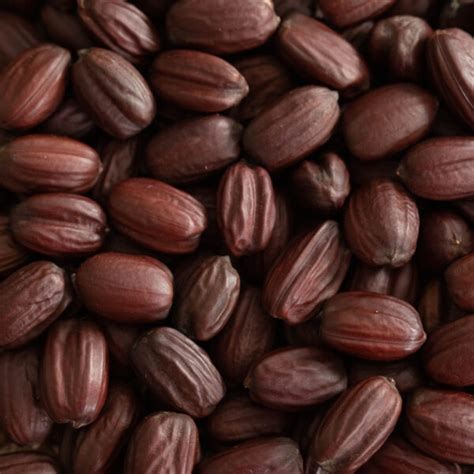
Jojoba oil, a liquid wax that closely mimics the skin's natural oils (sebum), is a highly effective natural remedy for cradle cap. Derived from the seed of the jojoba plant, it is known for its excellent moisturizing properties, drawing moisture to the skin without feeling greasy. Unlike many other vegetable oils, jojoba oil is incredibly stable and resistant to rancidity. Its composition is remarkably similar to human sebum, making it easily absorbed and non-comedogenic, meaning it does not clog pores.
For cradle cap, jojoba oil can be applied to the scalp to soften and loosen scales. Its ability to moisturize and potentially reduce inflammation makes it an ideal choice for sensitive baby skin. It is also non-allergenic and unlikely to cause adverse reactions, even in infants with very sensitive skin.
To use jojoba oil for cradle cap:
- Apply a few drops of 100% pure jojoba oil to your baby's scalp.
- Gently massage it into the scalp, paying special attention to the areas affected by cradle cap.
- Leave it on for about 15 minutes.
- Use a soft brush to gently comb away the loosened scales.
- Wash the scalp with a gentle baby shampoo.
- Repeat as needed.
Many parents have found success using jojoba oil for cradle cap, appreciating its natural properties and effectiveness in soothing and healing the baby's scalp without harsh chemicals.
When to Seek Medical Advice
While cradle cap is usually not a cause for urgent concern, it is advisable to mention it to your pediatrician at your child's next check-up. If the affected skin appears very red, infected, or agitated, or if the cradle cap spreads to the baby's face or body, contact your doctor immediately. In more severe cases, a doctor might recommend prescription creams, such as hydrocortisone or antifungal creams, or a prescription-strength shampoo to help alleviate symptoms. It's important to distinguish cradle cap from infantile eczema, which is typically itchy, while cradle cap is not. A pediatrician can easily make this distinction.