The Foundation of Skincare: Water
The most common skincare ingredient of all is good old water, also known as H2O. The water used in cosmetics is purified and deionized, meaning that almost all of the mineral ions inside it have been removed.
Emollients for Smooth Skin
Glyceryl Stearate
Glyceryl stearate is a common multi-tasker fatty acid and a super common emollient that makes your skin feel nice and smooth. It originates from coconut oil and glycerin, possessing a light texture, being clear, odorless, and non-greasy. It’s a pleasant ingredient that feels good on the skin, is very well tolerated by every skin type, and is easy to formulate with.
It’s often paired with glyceryl stearate - the two together form a super effective emulsifier duo that's salt and acid tolerant and works over a wide pH range.
Cetearyl Alcohol
Cetearyl alcohol is a so-called fatty (the good, non-drying kind of) alcohol that performs various functions in a skincare product. It makes your skin feel smooth and nice (acting as an emollient), helps to thicken products, and also aids in blending water and oil (acting as an emulsifier).
Silicones for a Silky Feel and Protection
Dimethicone
Dimethicone is probably the most common silicone ingredient. In skincare, it makes the skin silky smooth, creates a subtle gloss, and forms a protective barrier (also known as an occlusive). It also works well to fill in fine lines and wrinkles, giving the skin a temporarily plump appearance. Dimethicone is also used as a base ingredient in scar treatment gels to soften scars and increase their elasticity.
In hair care, it is a non-volatile silicone, meaning it stays on the hair rather than evaporating, and smooths the hair exceptionally well.
Cyclopentasiloxane
Cyclopentasiloxane is a super commonly used 5-unit long, cyclic structured silicone. It is water-thin and evaporates from the skin rather than remaining on it, classifying it as a volatile silicone.
Occlusives for Intense Moisturization
Petrolatum (Petroleum Jelly)
The famous Vaseline, or Petroleum Jelly, is a by-product of refining crude oil. Similar to mineral oil, it is a mixture of hydrocarbons, but with larger carbon chain lengths (C18-90+). The unique characteristic of petrolatum is its exceptional efficacy as an occlusive agent. While mineral oil's occlusivity is comparable to plant oils, petrolatum stands in a league of its own. It sits on top of the skin, significantly hindering transepidermal water loss (TEWL). This property is highly beneficial for healing cracked lips or severely dry skin patches. However, excessive use (reducing TEWL by more than 40%) can create an environment conducive to fungal and bacterial growth.
Regarding safety, cosmetic-grade, USP petrolatum is not carcinogenic. It does not absorb into the skin but remains on the surface, minimizing health risks. It has a long history of safe use, first appearing as a skincare product in 1872. While it is non-comedogenic, its heavy and greasy nature might lead combination and oily skin types to avoid it in its pure form. Overall, petrolatum is considered the gold-standard occlusive agent, and a tub of Vaseline is a household staple for treating cracked lips and other severely dry skin areas.
Emulsion Stabilizers and Thickeners
Acrylates/C10-30 Alkyl Acrylate Crosspolymer
Although its long name might not immediately suggest it, Acrylates/C10-30 Alkyl Acrylate Crosspolymer is a relative of Carbomer, a common water-loving thickener. Both are large molecules containing acrylic acid units. However, Acrylates/C10-30 Alkyl Acrylate Crosspolymer also incorporates other monomers that are hydrophobic (water-hating). This dual nature allows it to be both water- and oil-loving, functioning not only as a thickener but also as an emulsion stabilizer.
Carbomer
Carbomer is a large molecule created from repeated subunits of acrylic acid (a polymer of acrylic acid). It has the remarkable ability to convert a liquid into a gel formula. Typically, it requires neutralization with a base, such as sodium hydroxide, for thickening to occur. Carbomer creates viscous, clear gels that feel pleasant and non-tacky on the skin, making it a popular and common ingredient, usually used at 1% or less in formulations.
Preservatives for Product Stability
Phenoxyethanol
Phenoxyethanol is considered the current "IT" preservative. It is safe and gentle, and notably, it is not a paraben, which is often unnecessarily feared. Introduced around 1950, it can be used up to 1% worldwide. Although it can be found naturally in green tea, the version used in cosmetics is synthetic. Beyond its good safety profile and gentleness on the skin, it possesses other advantages, such as helping to set the pH of a cosmetic formulation correctly.
It is important to note that if a product contains N-nitrogenating agents (like certain preservatives or sodium nitrate - look for "nitro" or "nitra" in the name), Phenoxyethanol, in combination with Triethanolamine (TEA), could potentially form nitrosamines, which are carcinogenic. However, this depends on a specific combination of ingredients being present.
pH Adjusters
Triethanolamine (TEA)
Triethanolamine (TEA) is a helper ingredient that assists in setting the pH of a cosmetic formulation to the desired level.
Chelating Agents
Disodium EDTA
Disodium EDTA is a super common helper ingredient that helps products remain stable and pleasant for a longer time. It works by neutralizing metal ions that might enter the formula from water, which could otherwise cause undesirable changes.
Fragrance and Potential Sensitivities
Parfum (Fragrance)
Parfum, or fragrance, refers to pleasant-smelling substances added to cosmetic products. If you prefer to know exactly what you are applying to your skin, fragrance might not be your preferred ingredient, as its exact composition is often undisclosed. For individuals with sensitive skin, fragrance can be a significant concern, being a leading cause of contact allergies to cosmetics.
Sunscreen Agents
Titanium Dioxide
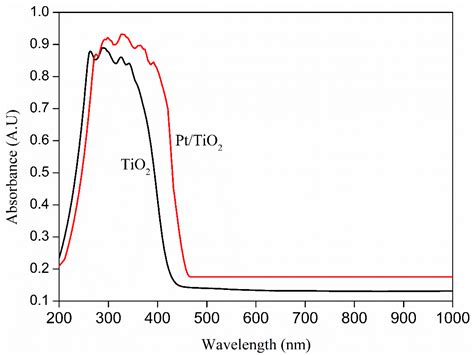
Titanium Dioxide is a physical/inorganic sunscreen agent offering broad-spectrum protection, particularly effective against UVB and UVA II rays, with less efficacy in the UVA I range. It is known for its good stability. However, it can sometimes leave a whitish tint on the skin and may be difficult to spread cosmetically. The cosmetic industry is actively working on solutions, such as using nanoparticles, to improve its elegance. While concerns about nanoparticle absorption exist, current research suggests that nanosized Titanium Dioxide particles in sunscreens primarily remain on the skin's surface.
Other Common Ingredients
Glycerin
Glycerin is a real oldie but a goodie. It is a very common emollient that contributes to making the skin feel nice and smooth.
Considerations for Specific Skin Types and Concerns
While ingredients like petrolatum are highly effective for severe dryness, their heavy and greasy nature may not be ideal for combination or oily skin types. For those concerned about potential sensitivities, fragrance is often identified as a primary trigger for cosmetic allergies. Additionally, while parabens are a subject of ongoing debate, some research suggests using sunscreen alongside products containing methylparaben, especially when exposed to sunlight.