Eczema is a chronic skin condition characterized by dry, flaky, and itchy skin. While various over-the-counter and prescription treatments exist, many individuals are exploring natural alternatives. Beef tallow, rendered from cow fat, has gained significant popularity as a "natural eczema cure" due to its traditional use and perceived benefits.
The core issue in eczema is not simply a lack of moisture, but rather a compromised skin barrier. This barrier, often described as "brick and mortar," is responsible for retaining moisture and preventing irritants from entering the skin. In individuals with eczema, this lipid barrier is weakened, leading to increased water loss and vulnerability to allergens and bacteria.
Understanding Beef Tallow's Composition and Properties
Beef tallow is rendered beef fat that is cooked, melted down, and purified. It has been used in skincare for centuries, valued for its natural composition and potential to soothe skin. Its growing popularity is fueled by a trend towards more natural and traditional ingredients, offering an alternative to synthetic and human-made skincare products.
Tallow's effectiveness for skin conditions like eczema is attributed to several key properties:
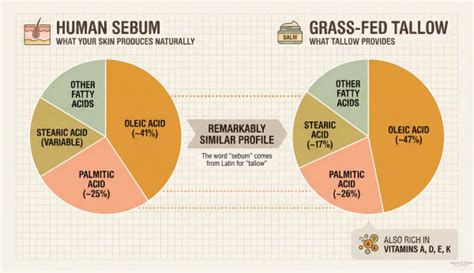
- Fatty Acid Profile: Tallow's fatty acid profile is remarkably similar to that of human sebum, the natural oil produced by our skin. This similarity allows tallow to be easily absorbed and recognized by the skin, potentially aiding in barrier repair. Key fatty acids include palmitic acid, oleic acid, linoleic acid, and stearic acid.
- Nutrient Density: Grass-fed tallow is rich in fat-soluble vitamins such as A, D, E, and K. These vitamins play a role in cell regeneration, collagen production, and antioxidant protection, supporting overall skin health.
- Emollient and Occlusive Properties: Tallow acts as an emollient, softening the skin, and as an occlusive, forming a protective layer that helps to seal in moisture and prevent water loss. This dual action can provide immediate comfort and support the skin's natural barrier function.
- Anti-inflammatory Properties: Grass-fed beef tallow contains conjugated linoleic acid (CLA), a fatty acid with documented anti-inflammatory properties. This can help to reduce the redness and inflammation associated with eczema.
How Tallow Addresses the Eczema Barrier Problem
Unlike many conventional eczema creams that focus on adding moisture with humectants (like glycerin) or sealing the surface with occlusives (like petrolatum), tallow works differently. Due to its structural similarity to sebum, it integrates with the skin's natural lipid barrier, rather than just sitting on top of it.
Petroleum jelly and mineral oil, common ingredients in many eczema products, can create a temporary seal but do not actively rebuild a compromised barrier. Tallow, by providing the skin with lipids it recognizes and can utilize, helps to reinforce this barrier. This is why many users report that tallow-based products feel different, absorbing into the skin rather than leaving a greasy residue.
The "brick and mortar" analogy is useful here: the "bricks" are skin cells, and the "mortar" is the lipid barrier. In eczema, this mortar is thin and cracked. Tallow, with its balanced fatty acid composition, can help to replenish and strengthen this mortar, effectively rebuilding the skin's defense system.
Potential Benefits of Using Grass-Fed Beef Tallow for Eczema
Many individuals who have incorporated grass-fed beef tallow into their skincare routine report significant improvements in their eczema symptoms. These benefits often include:
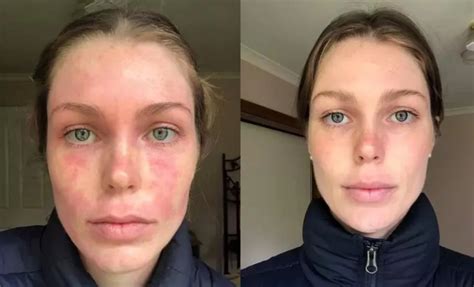
- Reduced Redness and Itching: Most users experience a noticeable calming of redness and a decrease in itching within 5-7 days of consistent application.
- Improved Skin Barrier Function: Tallow aids in rebuilding the skin's lipid barrier, leading to reduced water loss and better protection against irritants.
- Closing of Skin Cracks: For those with severely dry and cracked skin, tallow can help to moisturize and promote the healing of these fissures.
- Enhanced Skin Texture: Consistent use can lead to smoother, softer skin with reduced flaking and scaling.
- Less Reactivity: As the skin barrier strengthens, it becomes less reactive to common eczema triggers.
For severe dryness or open cracks, applying a second thin layer of tallow after a few minutes can provide additional support. Consistency is key, with twice-daily application recommended to allow the skin barrier to rebuild its lipid structure.
Application and Usage Recommendations
To maximize the benefits of beef tallow for eczema, proper application is crucial:
- Cleanse Gently: Use a non-stripping cleanser or a tallow-based soap. Avoid harsh sulfates and surfactants that can further damage the skin barrier.
- Apply to Damp Skin: Apply tallow while your skin is still slightly damp, ideally within 3 minutes of washing. This helps to lock in moisture.
- Warm and Press: Warm a small amount of tallow between your palms. Gently press it into the affected areas using upward motions, rather than rubbing aggressively.
- Allow Absorption: Let the tallow absorb into the skin before dressing.
- Layer for Severe Patches: For severe dryness or open cracks, wait 2-3 minutes and apply a second thin layer.
- Consistency is Key: Use morning and night. Eczema skin requires repetition to rebuild its barrier.
For facial eczema, some products combine tallow with skin-soothing botanicals. It's important to remember that tallow is not a steroid and will not eliminate severe eczema flares overnight, but it serves as a valuable tool for barrier support and symptom management.
Tallow vs. Other Eczema Treatments
Tallow's unique fatty acid composition is a significant advantage. Its palmitic acid content, for instance, is identical to what the skin naturally produces. This means the skin doesn't need to break down or convert tallow, facilitating efficient absorption and integration.
While dermatologists may not routinely prescribe tallow, it's not due to a lack of efficacy but rather its status as a traditional ingredient not subject to the same rigorous clinical trials as pharmaceuticals. Studies on barrier repair consistently show that lipid-rich emollients outperform water-based lotions for eczema management, and tallow excels in this category.
Tallow can often be used alongside conventional treatments like topical steroids. Applying the prescription medication first, waiting 10-15 minutes, and then applying tallow can provide a supportive moisturizing barrier.
Considerations and Potential Risks
While many find tallow beneficial, it's essential to be aware of potential considerations:
- Quality Matters: Opt for 100% grass-fed and grass-finished tallow. This type typically has a more favorable omega-6 to omega-3 ratio and higher levels of beneficial nutrients compared to grain-fed tallow. Proper rendering is also crucial to ensure purity.
- Non-Comedogenic but Variable: Tallow generally has a low comedogenic rating (2 out of 5), meaning it's unlikely to clog pores for most. However, individual reactions can vary, and those with very oily or acne-prone skin may still experience breakouts.
- Scent: Pure, properly rendered tallow usually has a mild, neutral scent that fades quickly. Unrefined tallow might have a more noticeable, slightly meaty odor.
- Allergic Reactions: Although rare, some individuals may have sensitivities or allergies to animal-derived fats. It's advisable to perform a patch test on a small area of skin before widespread use.
- Lack of Regulation: As a cosmetic ingredient, beef tallow is not subject to the same strict FDA pre-market approval as pharmaceuticals, leading to variability in product quality.
- Limited Human Studies: While research on emollients and fatty acids in general is promising, specific clinical trials on the use of beef tallow for eczema in humans are limited. Some animal studies have shown potential irritation, highlighting the need for further human-focused research.
- Not a Cure: Tallow is a tool for managing eczema symptoms and supporting the skin barrier, not a cure for the condition itself.
The science of skin - Emma Bryce
For individuals with alpha-gal syndrome (red meat allergy), beef tallow should be avoided. If using homemade tallow, ensuring proper processing and storage is vital to prevent spoilage and contamination, as unsaturated fatty acids can increase the risk of rancidity.
Tallow as Part of a Holistic Eczema Management Strategy
While topical treatments like tallow are important, a holistic approach to eczema management can yield the best results. This includes:
- Hydration: Drinking plenty of water daily is essential for overall skin hydration. Reducing or avoiding diuretics like alcohol and excessive caffeine can help.
- Diet: Incorporating foods rich in healthy fats, such as avocado, salmon, and grass-fed beef, can support skin health from within.
- Sunlight Exposure: Moderate, safe exposure to sunlight can help boost Vitamin D levels, which play a critical role in skin barrier function and immune response.
- Clothing Choices: Opt for breathable, natural fibers like cotton, linen, and silk. Layering clothing can help regulate body temperature.
- Environmental Factors: Using a humidifier can add moisture to the air, helping to keep skin supple. Avoiding hot showers and baths, which can strip the skin of its natural oils, is also recommended.
- Trigger Avoidance: Identifying and avoiding common eczema triggers, such as certain foods, allergens (pollen, dust, mold), and harsh personal care products, is paramount.
For children with eczema, many parents find tallow balms to be a gentle, natural option due to their simple ingredients and lack of synthetic additives.
Ultimately, beef tallow offers a time-tested, nutrient-dense moisturizer that aligns with a natural approach to skincare. When sourced responsibly and used correctly, it can be a powerful addition to an eczema management routine, providing the lipids the skin barrier needs to rebuild and function optimally.