While accepting the passage of time and all that comes with it is an entirely valid choice, you’re far from alone if you’d rather try to fight it, or at least try to reduce its impacts on your physical appearance. As dermaceutical innovation expands, more and more promising products with new active ingredients are being thrust into the spotlight. One such ingredient is GHK-Cu, a copper peptide complex that manufacturers claim can do everything from reducing wrinkles and growing hair to fading scars and healing wounds.
In this guide to GHK-Cu, we’ll cover what you need to know about this peptide, including its safety, efficacy, use cases, and everything in between. If you’ve already determined you’d like to try treatments, you may know that GHK-Cu is available as either a nonprescription topical or a prescription injectable. For those of you interested exclusively in the nonprescription topicals, we recommend checking out our guide to the best copper peptide serum. There, you’ll find a rundown of the highest-quality products along with the most detailed analysis of topical GHK-Cu as a skincare approach and can decide what’s best for you.
Our team has dedicated thousands of hours over the past few years to learning about a variety of peptides, one of which is the copper peptide GHK-Cu. We’ve spent 40+ hours researching all you need to know about this promising peptide - its origin, uses, safety, efficacy, and more. We also spoke with doctors who are well-versed in peptide therapy to gather valuable information on proper application, side effects, reactions, and contraindications, among other details.
What are Copper Peptides?
Copper peptides are a type of carrier peptide made up of copper bound to amino acids, which are the building blocks of proteins. Peptides, which the body naturally produces, are chains of amino acids-the fundamental building blocks of proteins. Their job is essential: like structural “bricks,” they help form proteins such as collagen and elastin, both crucial for maintaining the skin’s texture, density, and elasticity. Among the estimated billions of peptides that exist, copper peptide GHK-Cu has inspired particular excitement within cosmetic science.
Copper peptides are found naturally in the body, but their levels decline with age. Because copper peptides occur naturally in the body, they offer a wide array of benefits when applied topically. First identified in 1973 by Dr. Loren Pickart, copper peptide GHK-Cu stands out for its remarkable anti-aging capacity. It is known to stimulate collagen synthesis, helping maintain the skin’s firmness and resilience while slowing visible aging. A 1998 study from the Reims Faculty of Medicine found that collagen production increased by 70% after one month of applying this peptide-compared with a 40% increase from tretinoin. Subsequent studies have further illustrated its benefits.
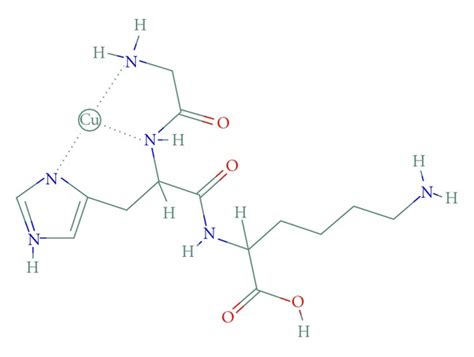
GHK-Cu is a complex consisting of the tripeptide GHK (glycyl-histidyl-lysine) and copper (Cu). GHK was discovered in 1973 by Dr. Loren Pickart, who found that it caused older human liver tissue to produce proteins more characteristic of younger tissue. This resulted in GHK being originally described, specifically, as a liver cell growth factor. GHK is naturally found in human saliva, plasma, and urine, but its standard levels are reduced by over half once you reach age 60.
According to experts, GHK has a “strong affinity for copper” and “readily” links up with it to form GHK-Cu. These properties are why you’ll find GHK-Cu copper peptides (usually listed in ingredient lists under the name Copper Tripeptide-1) in various cosmetics, with skincare products being some of the most popular use cases.
How Do Copper Peptides Work?
In skincare, copper peptides help signal the skin to support collagen and elastin production, which can improve firmness, texture, and the appearance of fine lines and wrinkles. They also have antioxidant properties, help support wound healing, and promote the production of glycosaminoglycans such as hyaluronic acid, which enhances hydration.
The anti-aging effects of copper peptides stem from their ability to work at the cellular level, influencing gene expression and enzymatic processes that directly impact skin aging. The primary mechanism involves stimulating collagen production in dermal fibroblasts, the cells responsible for maintaining the structural integrity of your skin layers. GHK-Cu activates genes responsible for extracellular matrix synthesis while simultaneously suppressing those involved in matrix degradation. This dual action creates an optimal environment for the formation of new collagen and elastin.
When skin injury occurs, copper peptides are naturally released at the wound site, acting as biological signals for tissue remodeling. They attract immune and repair cells to the area and promote angiogenesis, the formation of new blood vessels that supply essential nutrients and oxygen to healing tissue. As the wound heals, copper peptides support the skin's repair process, leading to rejuvenation and improved tissue quality.
One of the most significant protective effects of copper peptides is their ability to neutralize free radicals. These reactive oxygen species, generated by UV radiation, pollution, and normal metabolic processes, are major contributors to premature skin aging. Copper peptides enhance your skin’s natural barrier function by upregulating the expression of lipids and proteins crucial for maintaining the outer layer’s integrity.
Perhaps one of the most sophisticated aspects of how copper peptides work is their regulation of metalloproteinases (MMPs), enzymes that break down collagen. Clinical research has documented impressive improvements in multiple aspects of skin health when copper peptides are used consistently.
Benefits of GHK-Cu
Skin Aging
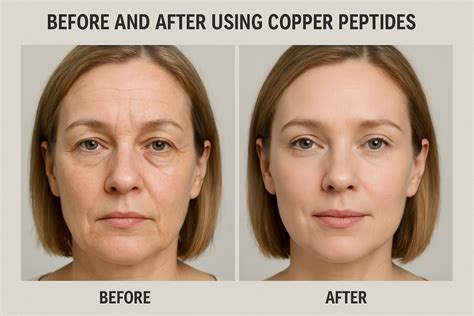
In a 2018 review, the authors detailed multiple positive studies and trials on the use of GHK-Cu for signs of skin aging. One trial had 71 women with “mild to advanced signs of photoaging” apply a facial cream containing GHK-Cu daily for three months and found that the treatment increased skin density and thickness while reducing sagging and the appearance of fine lines and wrinkles.
Clinical tests have demonstrated that topical GHK-Cu can significantly increase collagen synthesis, resulting in measurable reductions in wrinkle depth. Copper peptides have shown benefits for both fine lines and deep wrinkles, particularly in sun-exposed areas. In controlled studies, participants experienced up to 35% improvement in facial wrinkles over 12 weeks of consistent use. This improvement occurs because increased collagen production helps fill in fine lines and wrinkles from within the skin layers, rather than just temporarily plumping the surface.
Perhaps even more impressive than wrinkle reduction is the ability of copper peptides to restore skin elasticity. Clinical measurements using cutometer analysis revealed a 70% increase in skin elasticity after 12 weeks of GHK-Cu application.
Hair Growth
In a review from 2023, experts explained that GHK-Cu may promote hair growth in a few different ways. The ingredients in copper peptides may promote the overall health of your hair in the following ways:
- Increased blood flow: Copper peptides are thought by some to help increase blood circulation in your skin, according to a 2018 research review. Copper itself has been reported as being able to help maintain the tissues found in blood vessels. Thus, copper peptides may possibly stimulate hair follicles so they receive adequate oxygen and nutrients to produce new hair growth.
- Maintains hair color: Copper is one of the micronutrients needed to produce melanin. This is a compound that’s responsible for the color your hair, as well as your eye and skin color.
- Extended hair growth cycle: One possible benefit of copper peptides, according to an older 2007 study performed in vitro, is the ability to extend this growth cycle - meaning, more time before your hair falls out.
- Thicker hair strands: In addition to promoting new hair growth, copper peptides may potentially thicken existing strands. It’s thought that enlarged hair follicles may produce this effect. However, more human studies are needed to determine whether copper peptides can actually provide such benefits.
Wound Healing
GHK-Cu has demonstrated wound-healing abilities in animal models. In one rabbit study, it improved “wound contraction and formation of granular tissue,” boosted antioxidant enzymes, and stimulated blood vessel development and growth. In a separate study on rats, a collagen dressing with GHK-Cu accelerated the healing of wounds in both healthy and diabetic subjects.
However, researchers point out that GHK-Cu is “very sensitive” to breakdown by certain enzymes. Wounds like diabetic skin ulcers and bedsores often develop something called a “wound serum” that contains such enzymes.
As with the topical route of administration, an injection of GHK-Cu may be able to enhance your body’s wound-healing process. A 1993 paper describes an experiment in which rats were implanted with wound chamber models that were subsequently treated with either GHK-Cu or a saline placebo.
The wound-healing properties of copper peptides make them valuable not only for treating existing damage but also for recovery after cosmetic procedures. Whether dealing with minor skin injuries, post-laser treatment healing, or even acne scarring, copper peptides accelerate re-epithelialization and minimize scar formation.
Tissue Regeneration
An in vitro study found that treating lung fibroblasts from COPD patients with GHK-Cu helped restore their function.
Anti-cancer Actions
Because GHK-Cu can activate cell growth, tissue remodeling, and blood vessel development, experts express concerns about its potential to trigger cancer. Interestingly, though, GHK-Cu appears to possess anti-cancer properties. The peptide is one of two skin remodeling substances that may be able to downregulate the expression of “metastatic” genes.
In a 1983 animal study (published in 2014) that was conducted in part by Dr. Pickart, GHK-Cu was found to induce anti-cancer gene expression.
Anti-pain Effects
GHK-Cu also appears to possess analgesic, or anti-pain, effects.
Anti-aggression Effects
An experiment conducted in 2017 involved two rats that were induced to exhibit aggression through the administration of electrical shocks. The observance of physical attacks verified their aggressive state. GHK-Cu administration was observed to reduce this aggression.
GHK-Cu Formulations and Usage
Topical vs. Injectable GHK-Cu
GHK-Cu isn’t limited to topical/cosmetic forms, however. Human studies on GHK-Cu have primarily focused on the topical route of administration. Injections produce effects throughout the body, not just on localized areas as topicals do.
If you’ve already determined you’d like to try treatments, you may know that GHK-Cu is available as either a nonprescription topical or a prescription injectable. For those of you interested exclusively in the nonprescription topicals, we recommend checking out our guide to the best copper peptide serum. There, you’ll find a rundown of the highest-quality products along with the most detailed analysis of topical GHK-Cu as a skincare approach and can decide what’s best for you.
How to Use Copper Peptides
Incorporating products with copper peptides into your skincare routine is simple: begin with applications every other day to allow the skin to adjust, then increase frequency as your skin’s tolerance and visible results guide you. As far as which formulations are best, dermatologists recommend looking for products that pair copper peptides with barrier-supporting and hydrating ingredients, “as this helps maximize both tolerability and results.”
For topical application:
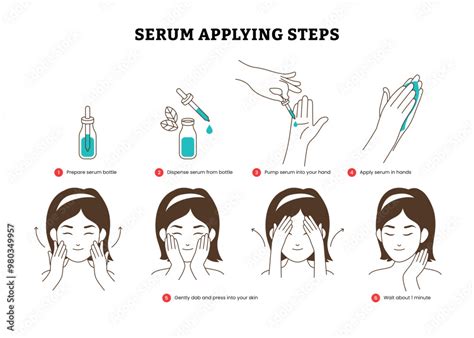
- After cleansing the skin, apply a light amount of Super GHK-Copper Cream or Serum.
- For best results, apply lightly and gently massage into the skin for 5-10 seconds.
The beauty of Super GHK-Copper is that it is both soothing and intense. GHK-Copper products were inspired by groundbreaking research and are designed especially for those starting out with copper-peptides, or who have sensitive skin, or for sensitive skin areas (i.e., around the eye area and neck). For your skin's benefit, GHK-Super Copper is further enriched with skin-identical lipids that improve smoothness, impart a healthy glow, and saturate skin with moisture. GHK-Copper Serum (oil-free version) feels sensuous, light, and elegant.
Topical GHK-Cu stands in contrast to skincare ingredients like tretinoin and retinol, in that it won’t make your skin extra-sensitive to UV rays. In fact, GHK seems to block “lethal ultraviolet radiation damage” and protect the skin, per a 2014 study. This means that topical GHK-Cu can be applied at any time of day. Insider Tip: Even though topical GHK-Cu may protect the skin from UV damage, you should still use a broad-spectrum sunscreen of at least SPF 30 when you go out.
To lower the risk of side effects associated with topical administration (or to relieve those that may appear), start with a small application and increase gradually over time. Additionally, experts recommend avoiding harsh actives (e.g., retinoids, alpha-hydroxy acids, salicylic acid, etc.), vitamin C, or any active exfoliants while using GHK-Cu peptides.
Injectable GHK-Cu Dosage and Cycling
With prescription GHK-Cu injectables, your exact dosage and protocol will depend on your therapeutic goal. Generally, the dosage and frequency are as follows:
| Purpose | Dose | Dosing Frequency | Cycle |
|---|---|---|---|
| For pain or inflammation | 1.0mg-2.0mg | 5 days/week | 1-2 months on, 1-2 months off (3-6 cycles per year) |
| For tissue regeneration, healing, or other repair | 1.5mg-2.5mg | Daily | Approx. 2-3 months on, 1 month off (2-4 cycles per year) |
You’ll notice from the table that GHK-Cu is cycled, a common practice with peptides. What cycling entails is taking a short break from using a peptide after a period of regular administration, preventing desensitization and minimizing the risk of any long-term side effects.
The injectable material (i.e., the peptide) is up to you to prepare, in accordance with the provider’s instructions. Generally, it entails combining powdered peptide with a measure of bacteriostatic water to create a solution. The injections themselves are self-administered-not into a vein but an area of fatty tissue, such as the belly, thigh, or upper arm.
Potential Side Effects and Precautions
Some people, however, may have an allergy or other intolerance to the peptide, resulting in severe reactions like hives, swelling, and difficulty breathing. Again, the copper uglies are rare, but it’s something to be cautious about.
People who are pregnant or breastfeeding: Same issue. Limited but reassuring data suggests topical copper peptides at standard cosmetic concentrations are unlikely to pose risks during pregnancy or breastfeeding. However, it is always best to consult your dermatologist before using any new skincare ingredient when you are expecting or are already a nursing mother.
Ingredient Compatibility:
- Hydroxy acids (AHAs/BHAs) and Vitamin C: NOTE: Do not use GHK-Cu products with hydroxy acids at the same time. Strong acids like glycolic acid and high-concentration ascorbic acid (vitamin C) should be separated from copper peptide application by several hours or used on alternate days.
- Retinoids: Potent retinoids may also need timing separation, though some users successfully alternate these ingredients on different evenings.
If your skin becomes irritated or inflamed, that is a sign to reduce frequency or discontinue use.
Product Selection
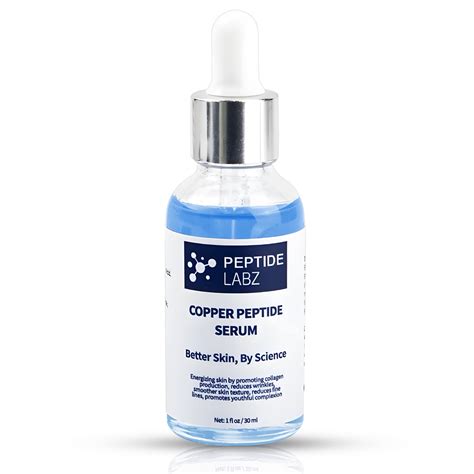
Topical GHK-Cu is primarily geared toward cosmetic health, namely concerning the skin and hair. Topical GHK-Cu can be found in a multitude of over-the-counter cosmetic products, both brick-and-mortar and online. (In these products, it’s often listed as “Copper Tripeptide-1.”)
When shopping for a GHK-Cu topical, make certain that the peptide is pure enough to be safe for human use. If you’re ever unsure about a manufacturer’s peptide purity, contact the brand’s customer support team. If they refuse to share this information, or other important safety details, it could be a red flag.
If you’re in search of oral or injectable GHK-Cu copper peptides, it’s important to make sure that the clinic you choose uses pharmaceutical-grade peptides, not research-grade ones.
Key formulation factors to consider:
- Concentration and Stability: Look for products that clearly state the concentration of GHK-Cu or copper tripeptide-1. Effective formulations typically contain 0.1% to 2% active copper peptides, with 0.5% being a popular starting point for most users.
- Packaging: Since copper peptides are sensitive to light and oxidation, high-quality products are packaged in opaque or dark containers with airtight seals to protect them from these elements.
- Ingredient List Quality: Examine the full ingredient list for potentially irritating or destabilizing components.
Product Types:
- Serums: Generally offer the highest concentration of active ingredients and provide the best penetration into skin layers.
- Creams: Offer additional moisturizing benefits and may be better suited for individuals with dry skin types or those who prefer a single-step approach.
- Professional Treatments: Some dermatologists and aesthetic practitioners offer higher-concentration copper peptide treatments, often combined with delivery systems like microneedling or iontophoresis for enhanced penetration.
Copper Peptides vs. Other Ingredients
Copper Peptides vs. Retinoids
Retinoids, including prescription tretinoin and over-the-counter retinol, are considered the gold standard for anti-aging treatment. Tolerance: While retinoids often cause dryness, peeling, and irritation, especially during the initial adjustment period, copper peptides are generally well-tolerated even by sensitive skin types. Healing Properties: Unlike retinoids, which can initially compromise the skin barrier, copper peptides actually enhance wound healing and barrier function. Year-Round Use: Retinoids can increase photosensitivity, necessitating careful sun protection and potentially limiting use during periods of high sun exposure.
Copper Peptides vs. AHAs/BHAs
Alpha hydroxy acids (AHAs) and beta hydroxy acids primarily work through skin resurfacing techniques, removing the outer layer of dead skin cells to reveal fresher, healthier skin underneath. Chemical exfoliants provide immediate improvement in skin texture but don’t directly stimulate collagen synthesis. Copper peptides work more gradually but provide deeper structural improvements by enhancing the skin’s natural regenerative processes.
Conclusion
Copper peptides represent a scientifically proven approach to anti-aging that works harmoniously with your skin’s natural processes, rather than forcing change through irritation or aggressive resurfacing. Whether you’re looking to reduce fine lines and wrinkles, improve skin elasticity, enhance wound healing, or simply maintain healthier, more youthful-looking skin, copper peptides offer a gentler yet highly effective alternative to traditional approaches. The key to success with copper peptides lies in selecting high-quality formulations, starting with suitable concentrations, and maintaining consistent use over time.
For those seeking effective anti-aging solutions that respect their skin’s biology while delivering measurable results, copper peptides deserve serious consideration. Remember to maintain your healthy diet, use broad-spectrum sunscreen daily, and consult with a dermatologist if you have specific concerns about incorporating copper peptides into your routine.