Skin chafing is an uncomfortable and often painful condition that occurs when skin rubs against skin or clothing. It is particularly common among exercise enthusiasts and individuals who are overweight. While chafing can affect any part of the body, the thighs, groin, underarms, and nipples are especially vulnerable areas. Fortunately, there are several effective ways to prevent and treat skin chafing, allowing you to continue your activities without discomfort.
The primary method to prevent skin chafing is to reduce friction. This can be achieved through several key strategies:
Preventing Skin Chafing
Stay Dry
Wet skin is more susceptible to chafing. Before engaging in physical activity, applying talcum or alum powders to areas prone to sweating can help wick away moisture. It is also important to change out of wet or sweaty clothing promptly.
Lubricate
Applying lubricants such as petroleum jelly to areas prone to friction, often referred to as "hot spots," can significantly reduce rubbing. Petroleum jelly is readily available and inexpensive. Other over-the-counter lubricants are also available and may require some trial and error to find the most effective one for individual needs. For nipple chafing, petroleum jelly, patches, or tape can be applied directly to reduce friction.
Dress Appropriately
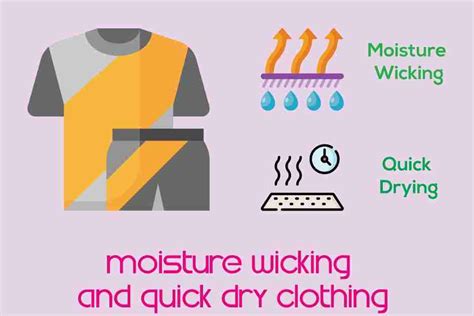
Wearing moisture-wicking clothing made from synthetic fibers is recommended during exercise. Cotton should be avoided as it retains moisture. Compression shorts, similar to those worn by cyclists, can help minimize thigh chafing. For warm weather, consider wearing less clothing if appropriate, such as running shirtless for men or wearing only a sports bra for women. Additionally, choose exercise clothing and bras with smooth seams to prevent rubbing and irritation.
Understanding Inner Thigh Rash
An inner thigh rash is a common and uncomfortable skin issue experienced by both men and women. It often begins as red or discolored patches that can be itchy, bumpy, or flaky. Identifying the underlying cause is the first step toward effective treatment and prevention.
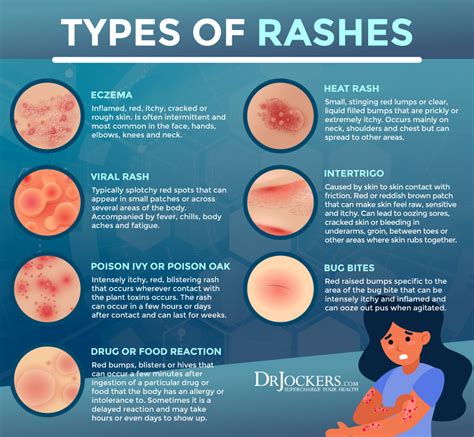
Common Causes of Inner Thigh Rash
- Chafing: Repeated rubbing of skin against clothing or itself.
- Heat Rash (Miliaria): Occurs when sweat ducts become blocked, trapping moisture beneath the skin.
- Eczema: A chronic inflammatory condition causing dry, itchy, and flaky skin.
- Contact Dermatitis: A reaction to an irritant or allergen that comes into contact with the skin.
- Jock Itch: A fungal infection thriving in warm, moist environments like the inner thighs and groin.
- Razor Burn: Redness, itching, or burning after shaving the inner thighs.
- Swimmer's Itch: An allergic reaction to tiny parasites in contaminated water.
- Sexually Transmitted Infections (STIs): Certain STIs, such as genital herpes, syphilis, and chlamydia, can manifest as rashes or sores in the inner thigh or groin area.
Specific STI-Related Rashes
- Genital Herpes: Caused by the herpes simplex virus (HSV-1 or HSV-2), it often presents as painful blisters or open sores around the genitals, buttocks, or inner thighs.
- Syphilis: A bacterial infection that can cause a widespread rash during its secondary stage, often appearing on the legs, inner thighs, palms, or soles.
- Chlamydia: While primarily known for other symptoms, it can sometimes cause sores or rashes around the genital area and inner thighs. Chlamydia is treatable with antibiotics like doxycycline or azithromycin.
Treatment for Chafing and Inner Thigh Rash
It is important not to ignore skin chafing. Gently clean the affected area with water and thoroughly dry it. Applying a substance like petroleum jelly can aid healing. For severe pain, swelling, bleeding, or crusting, a medicated ointment may be recommended by a healthcare provider.
Allowing the skin to heal before resuming activity is crucial, as continued friction can worsen the condition and potentially lead to infection. If self-care measures do not improve the chafing, consult a doctor.
Home Remedies for Soothing and Healing
Several home remedies can help soothe and heal inner thigh chafing. Always clean the area before applying any treatment and avoid scratching itchy skin.
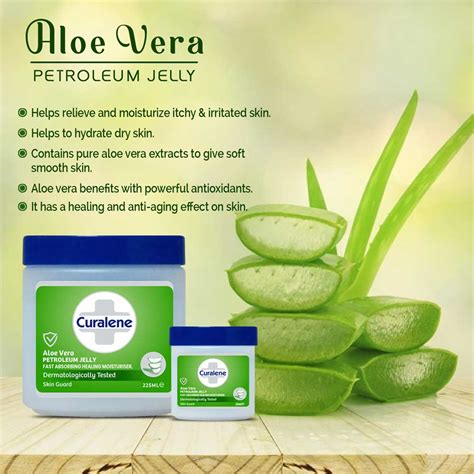
- Petroleum Jelly: Recommended by the American Academy of Dermatology, it protects irritated skin and blisters, potentially aiding faster healing.
- Lip Balm: Containing petroleum jelly and moisturizers, it can soothe chafing.
- Powders: Baby powder, arrowroot powder, or cornstarch can help keep the inner thighs dry and soothe itching.
Itching Remedies
To soothe itching and reduce redness, consider:
- Aloe vera gel
- Oatmeal moisturizer
- Cold or ice pack
Over-the-counter options include antihistamine creams and tablets, as well as corticosteroid creams.
Other Skin Treatments
Additional products that can soothe and heal inner thigh chafing include:
- Antibacterial ointment
- Hydrogel
- Silicone gel sheets
- Soft bandage
- Non-stick gauze
- Stick-on moleskin
- Wet dressing
Preventative Measures for Inner Thigh Chafing
Preventing inner thigh chafing often involves simple daily habits and proactive measures.
Hygiene and Dryness
Keeping the inner thigh area clean and dry is paramount. While talcum powder was once common, it is now considered unhealthy; opt for alternatives that keep the area dry.
Breathable Clothing
Choose clothing made from breathable, moisture-wicking fabrics. Avoid cotton during exercise, as it absorbs sweat and can increase friction. Loose-fitting clothing is also beneficial.
Lubrication and Moisturizers
Lubricating the skin can prevent chafing. Petroleum jelly, anti-chafing creams (like Body Glide), zinc oxide ointment, or everyday products containing petroleum jelly and moisturizers (lip balm, shea butter, body oil, lotions, sunscreen) can be applied. Avoid scented or sticky products that may cause irritation.
Protective Barriers
Shapewear, leggings, or yoga pants worn under clothing can create a barrier between the thighs. Anti-chafing thigh bands, which are elastic bands worn on each thigh, are also an option.
Hydration and Antiperspirant
Staying hydrated is important for overall skin health. Applying antiperspirant to the inner thighs may help reduce sweating in this area.
Weight Management
For individuals who are overweight, losing weight can reduce irritation, as excess fat and skin are more prone to chafing. Consulting a doctor or nutritionist for a personalized diet and exercise plan is recommended.
Shaving and Hair Removal
If you shave your inner thighs, use proper techniques and tools to minimize the risk of razor burn, which can contribute to chafing and rash.
Dermatologist's Shaving 101: Tips on How To Shave to Avoid Razor Burn and Ingrown Hair
When to Seek Medical Advice
While most cases of chafing and inner thigh rash are treatable at home, certain symptoms warrant medical attention. Consult a doctor if you experience:
- Blisters or boils
- Lumps or sores
- Oozing or pus
- Bleeding skin
- Swelling
- Gray or darkened discoloration
- Color changes in skin folds or creases
A doctor may recommend corticosteroid creams for redness and itching, or prescription antibiotics or antifungal medications if an infection is present. For STIs, appropriate medical treatment is essential.